One Nation One Election: Panel Hopes for 2029 Rollout, Flags ₹7 Lakh Crore Loss
The Joint Committee of Parliament examining the Bills on simultaneous elections is working to create a mechanism that could make the 'One Nation, One Election' reform fully operational by the 2029 general election, its chairperson said on Friday.
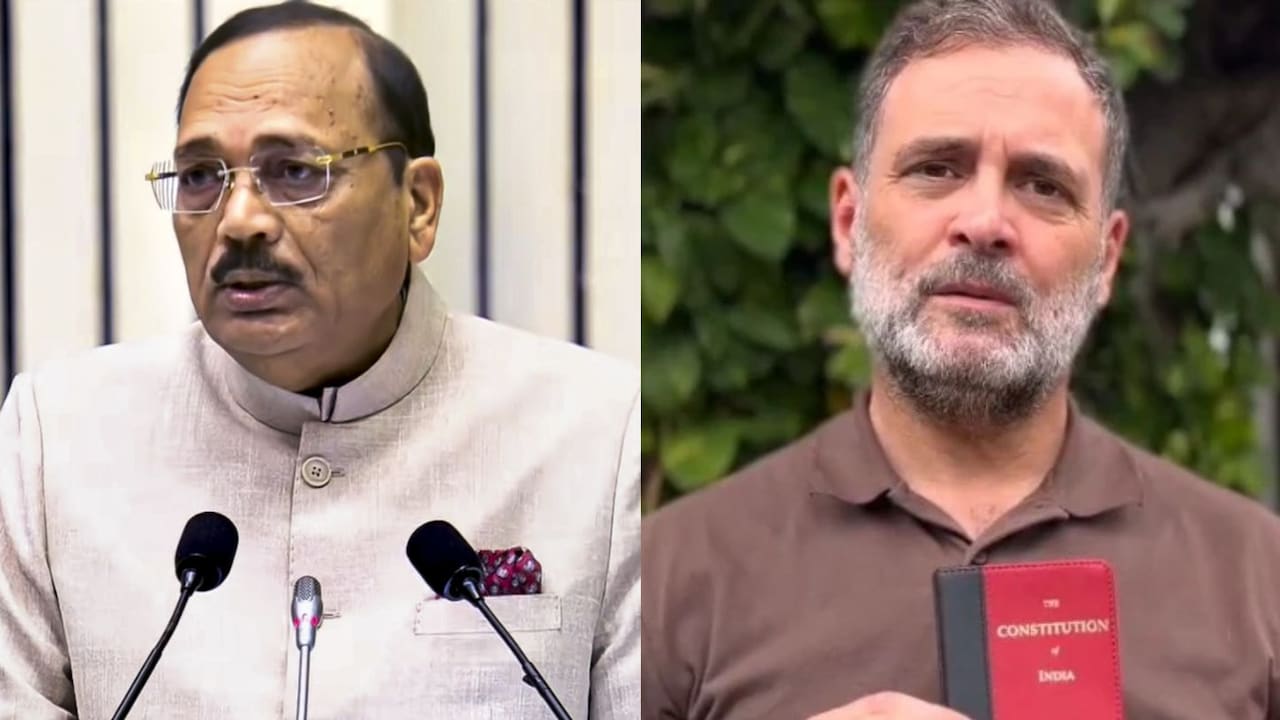
Speaking to reporters on the sidelines of the panel’s two-day meeting in Goa, P.P. Chaudhary claimed that nearly 99% of civil society stakeholders consulted so far have backed the proposal, which aims to curb an estimated ₹7 lakh crore economic loss caused by frequent elections.
The committee began its deliberations in Goa on the Constitution (129th Amendment) Bill, 2024, with an interaction with Chief Minister Pramod Sawant and members of his Cabinet, seeking their views on the challenges involved in implementing simultaneous elections and ways to address them.
Highlighting the economic rationale behind the proposal, Mr. Chaudhary cited findings placed before the high-level committee headed by former President Ram Nath Kovind. He said that an economic study submitted to the Kovind committee estimated that holding elections separately across the country results in an economic loss of nearly ₹7 lakh crore.
The proposal, however, has drawn criticism from some opposition parties and constitutional experts. Critics argue that simultaneous elections could undermine India's federal structure by reducing the accountability of state governments and limiting voters' ability to change governments between national elections. They also contend that the logistics of synchronising elections across all states and the Union could be challenging and costly.
The 'One Nation, One Election' concept aims to hold elections for the Lok Sabha and all state assemblies together once every five years. The government has argued that this would reduce the financial burden, minimise policy paralysis caused by the model code of conduct, and free up security forces and administrative machinery for development work.
The Joint Committee is expected to hear from a range of stakeholders, including political parties, election officials, and legal experts, before finalising its recommendations. The panel’s report will then be tabled in Parliament for debate.