Oil Prices Breach $100 as West Asia Tensions Escalate
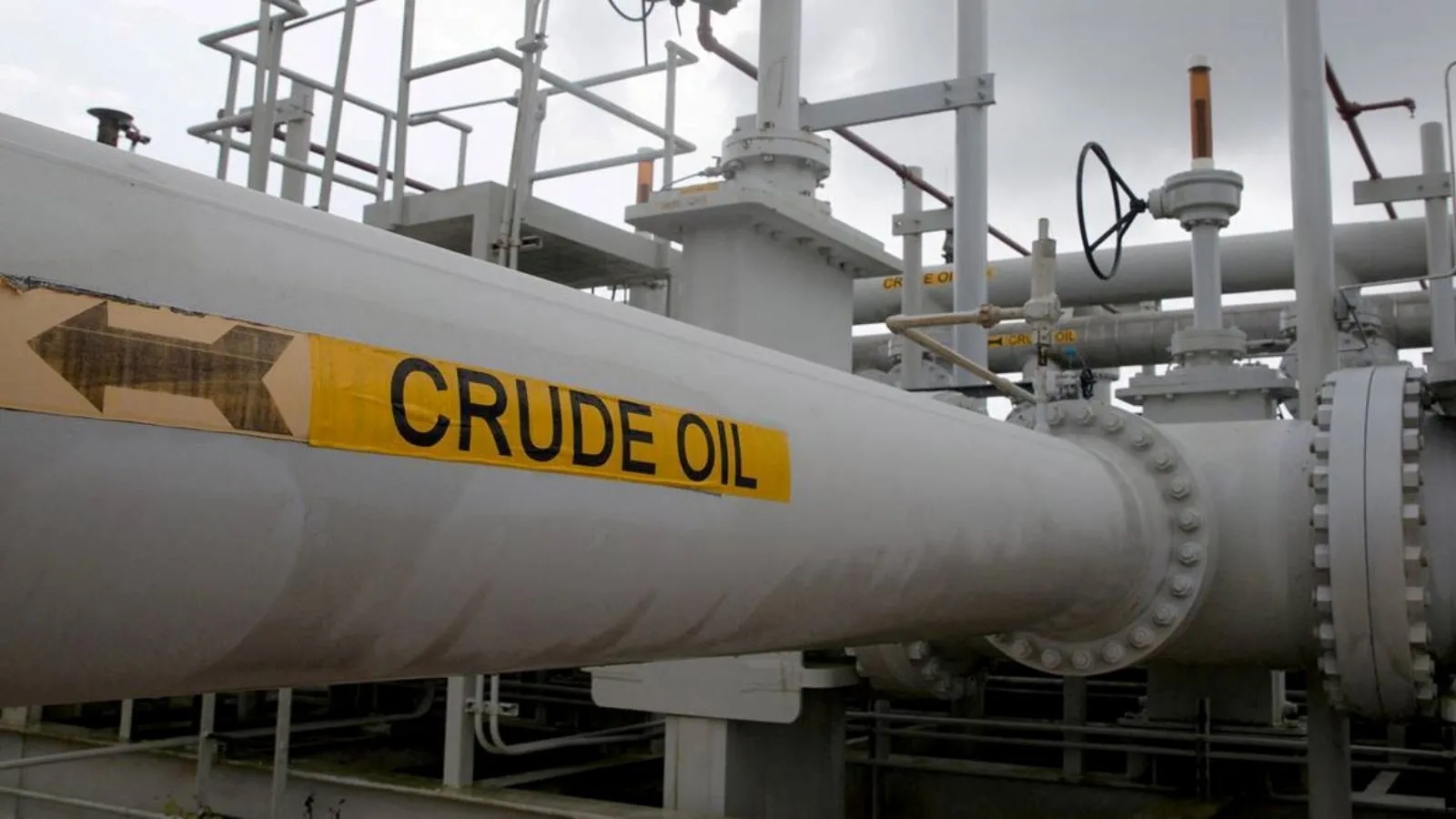
Global oil prices surged past $100 per barrel for the first time since May, driven by renewed hostilities in West Asia and attacks on key shipping routes. Brent Crude, the international benchmark, rose more than 6% on Thursday to $100.40 per barrel, while West Texas Intermediate (WTI) crude stood at $91.76 per barrel, according to data from oilprice.com, a global oil price monitor.
The immediate trigger for the latest spike was a series of attacks by Yemen's Iran-backed Houthi group on Saudi oil tankers in the Bab al-Mandab Strait, a strategic maritime chokepoint linking the Red Sea with the Gulf of Aden. These attacks have heightened fears of disruptions to global energy supplies, as the strait is a critical passage for oil shipments from the Persian Gulf to Europe and North America.
The price increase follows a brief period of easing in oil markets after a temporary ceasefire between the United States and Iran. During that time, prices had declined to levels seen before the latest phase of military action in late February. However, the breakdown of the ceasefire and renewed hostilities have once again rattled energy markets. US Secretary of State Marco Rubio said this week that Iran’s leadership was “not ready to make a deal”, adding to concerns that the conflict could persist.
Analysts warn that if the situation escalates further, oil prices could remain elevated, potentially impacting global economic growth and increasing inflation pressures. The developments underscore the vulnerability of energy markets to geopolitical instability in West Asia.