NSE Files Draft IPO Document with SEBI, Reviving Listing Plan After Long Regulatory Delays
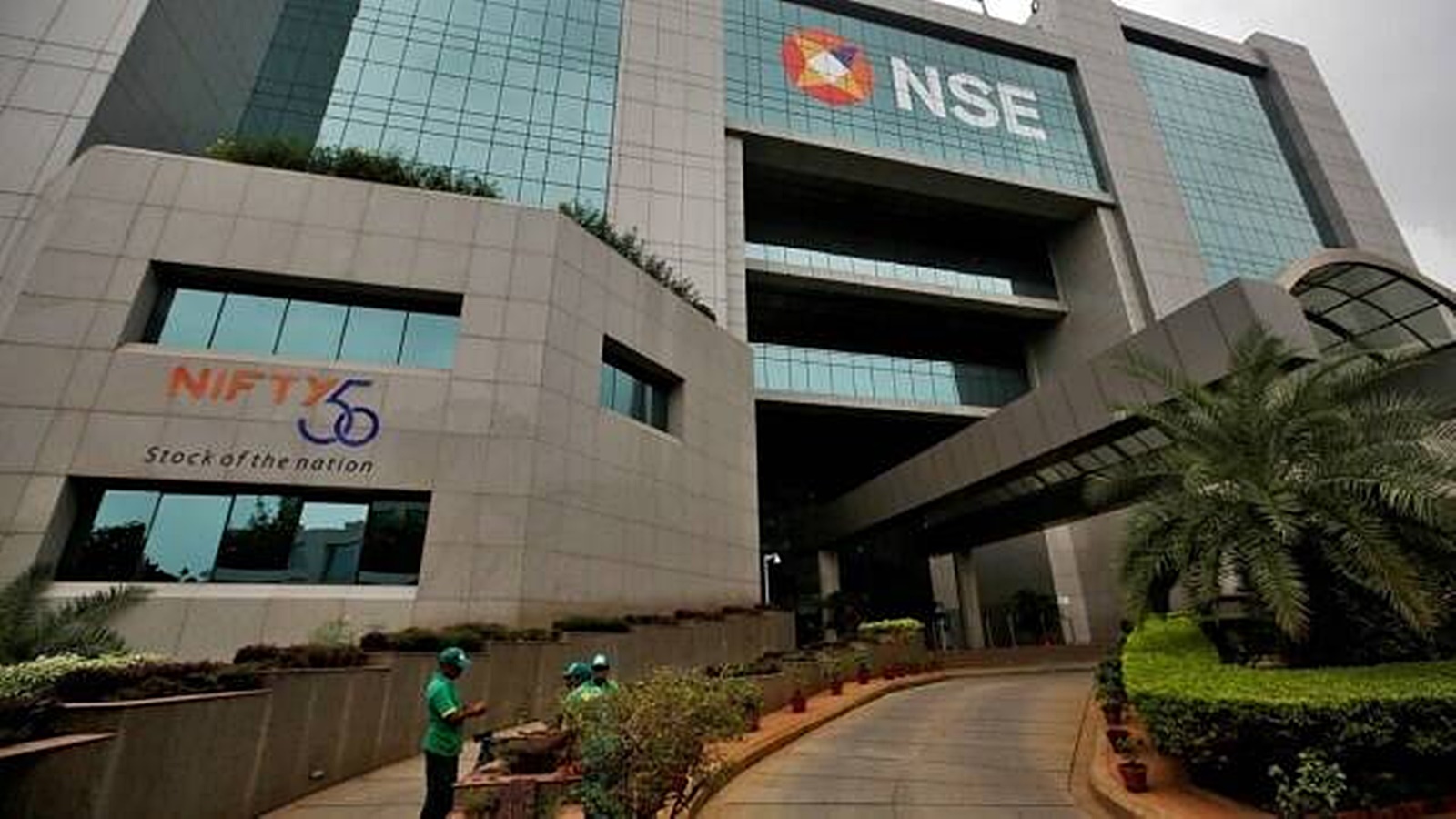
The National Stock Exchange of India (NSE), the country's premier stock exchange, has filed its draft red herring prospectus (DRHP) with the Securities and Exchange Board of India (SEBI) for an initial public offering (IPO). The filing marks the revival of a listing plan that was first set in motion in 2016 but had been stalled for nearly a decade due to regulatory probes.
The proposed IPO is entirely an offer for sale (OFS) by existing shareholders. Consequently, the NSE will not receive any proceeds from the issue. The selling shareholders include a diverse group of institutional investors: State Bank of India, MS Strategic (Mauritius) Ltd, Canada Pension Plan Investment Board, Aranda Investments (Mauritius) Pte Ltd, Bank of Baroda, Stock Holding Corporation of India Ltd, General Insurance Corporation of India, New India Assurance Company, National Insurance and United India Insurance Company. Collectively, they are offering up to 14.89 crore equity shares of face value Re 1 each.
While the exact size of the IPO has not been officially disclosed, market estimates place it in the range of Rs 17,000 crore to Rs 30,000 crore, which would make it one of the largest public offerings in India. The issue will be conducted through the book-building process. As per regulatory norms, not more than 50% of the net offer will be allocated to qualified institutional buyers, not less than 15% is reserved for non-institutional bidders, and at least 35% is earmarked for retail individual bidders. The shares are proposed to be listed on the BSE, the NSE’s main competitor.
The NSE first submitted IPO papers in 2016, but the process was derailed by the co-location controversy. The exchange faced allegations that some brokers had been given preferential access through its co-location facility, early login, and dark fibre connections. Such access could potentially provide a split-second advantage in executing trades. The allegations were brought to light by a whistle-blower in January 2015. A co-location facility is a data centre service that allows brokers to place their servers in close proximity to the exchange's trading systems to reduce latency. Dark fibre refers to unused optical fibre cables that can be used to create a direct, high-speed data link between two points.
To resolve these matters, the NSE filed a settlement application with SEBI in June 2025. On January 15, 2026, the SEBI chairman announced that the regulator had granted in-principle approval to the settlement. The NSE agreed to pay approximately Rs 1,400 crore to settle the co-location and dark fibre cases. In the quarter ended September 30, 2025, the exchange had set aside Rs 1,297.41 crore as provisions for these cases.
The NSE commands a dominant position in India's equity markets. As of March 2026, its trading platform processed an average of 12 to 14 billion messages daily. On June 4, 2024, the cumulative number of trades across all segments touched a record high of 293.85 million. Financially, the exchange has shown robust growth: revenue from operations for the financial year 2025-26 stood at Rs 16,601 crore, compared to Rs 14,780 crore in the previous year. Net profit rose to Rs 10,302 crore from Rs 8,305 crore.
The NSE's IPO comes amid a mixed outlook for public offerings. While several major issues are in the pipeline, including those from SBI Mutual Fund and Jio Platforms, many IPOs are on hold due to market volatility. Reports indicate that IPOs worth around Rs 1.40 lakh crore are awaiting regulatory approval, and another Rs 1.25 lakh crore have been cleared but are waiting for conducive market conditions.