Govt defends ethanol blending: Petrol would have been Rs 125/litre without it
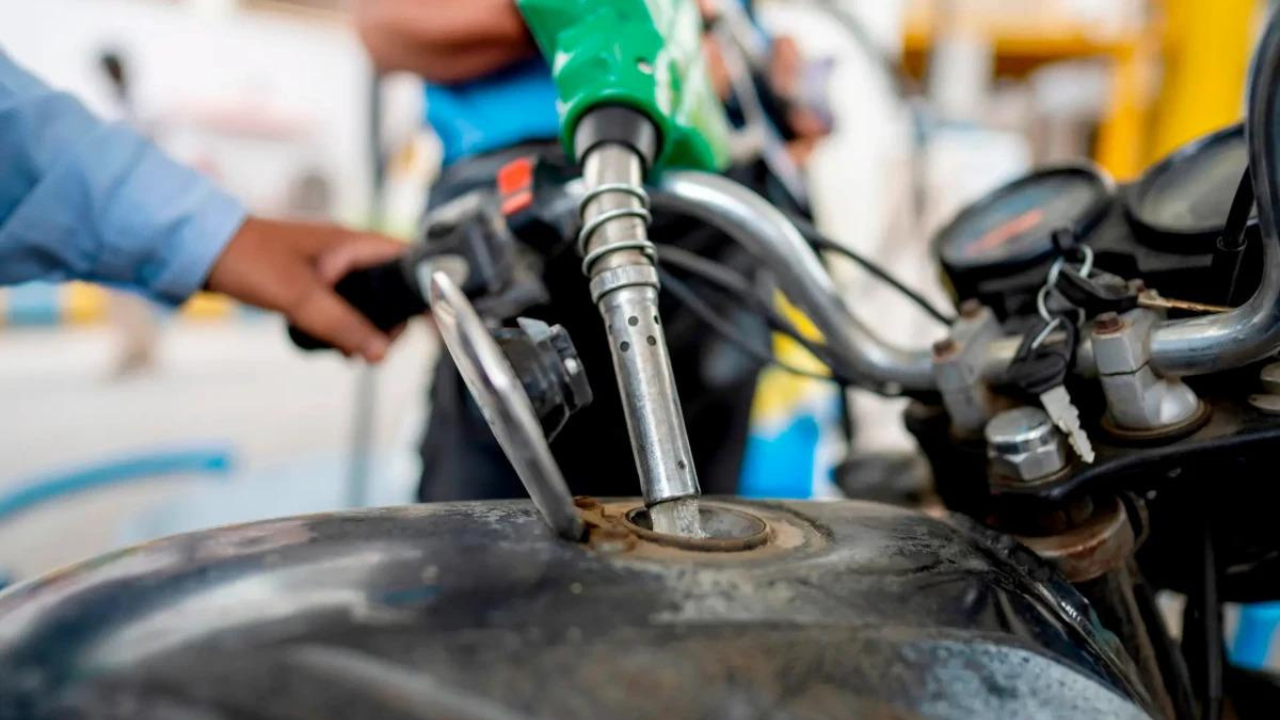
The petroleum ministry on Friday defended India's ethanol blending programme, stating that petrol prices would have been significantly higher in the national capital during the recent global crude oil price spike had it not been for the use of domestically produced ethanol. According to the ministry, petrol would have cost around Rs 125 per litre in Delhi when global crude prices touched $135 per barrel. Instead, consumers paid Rs 94.77 per litre, a saving of nearly Rs 30 per litre at the peak of the crisis.
The ministry's statement comes in response to what it described as “misleading” claims about the programme's costs, its impact on food security, and alleged taxpayer subsidies. It clarified that 20% of every litre of petrol sold at the pump comprised ethanol procured at pre-agreed prices, which helped insulate retail fuel prices from the volatility in international crude oil markets.
India has been gradually increasing the ethanol percentage in petrol under its Ethanol Blended Petrol (EBP) Programme, with a target of achieving 20% ethanol blending by 2025-26. The initiative is aimed at reducing the country's dependence on imported crude oil, boosting the agricultural economy, and lowering vehicular emissions. The government has set a goal of 20% blending, and current petrol sold in the country is of the E20 standard, meaning it contains 20% ethanol.
The ministry also highlighted that petrol and diesel prices were kept unchanged for nearly 75 days after the West Asia conflict began on February 28, before being raised by Rs 7.5 per litre in May. It noted that 91-octane standard E20 petrol currently costs Rs 102.12 per litre in Delhi, while 100-octane petrol is priced at Rs 169 per litre.
Addressing allegations regarding the diversion of foodgrain meant for the poor, the ministry categorically rejected such claims, stating that no subsidised rice from the Food Corporation of India (FCI) was being used for ethanol production. It asserted that ethanol is produced from sugarcane, maize, and other agricultural residues, and the programme does not compromise food security.
Critics have expressed concerns that diverting agricultural produce for fuel production could inflate food prices and affect the availability of grains in the public distribution system. However, the government maintains that the ethanol blending programme has been carefully calibrated to balance energy security with food security. The ministry emphasised that the programme benefits farmers by providing an additional market for their produce and helps reduce the nation's oil import bill.
The government's defence of the ethanol programme comes at a time when retail fuel prices have become a politically sensitive issue, with opposition parties accusing the government of failing to shield consumers from global price surges. The ministry's data offers a counterpoint, suggesting that blending has been an effective tool in moderating fuel price increases.
While the current E20 petrol price in Delhi is Rs 102.12 per litre, the ministry's projection of Rs 125 per litre without ethanol indicates the extent of the cushion provided by blending. This difference, it said, is a tangible benefit to consumers, particularly during periods of sharp global price increases.
The ministry's statement is part of a broader effort to inform the public about the rationale behind the ethanol policy and to counter misinformation. It reiterated that the programme is transparent, with ethanol procurement done at pre-agreed prices, and that it does not involve any hidden taxpayer subsidy.