No Visible Bite, But Fatal: Ontario Boy Dies of Rabies After Bat Exposure
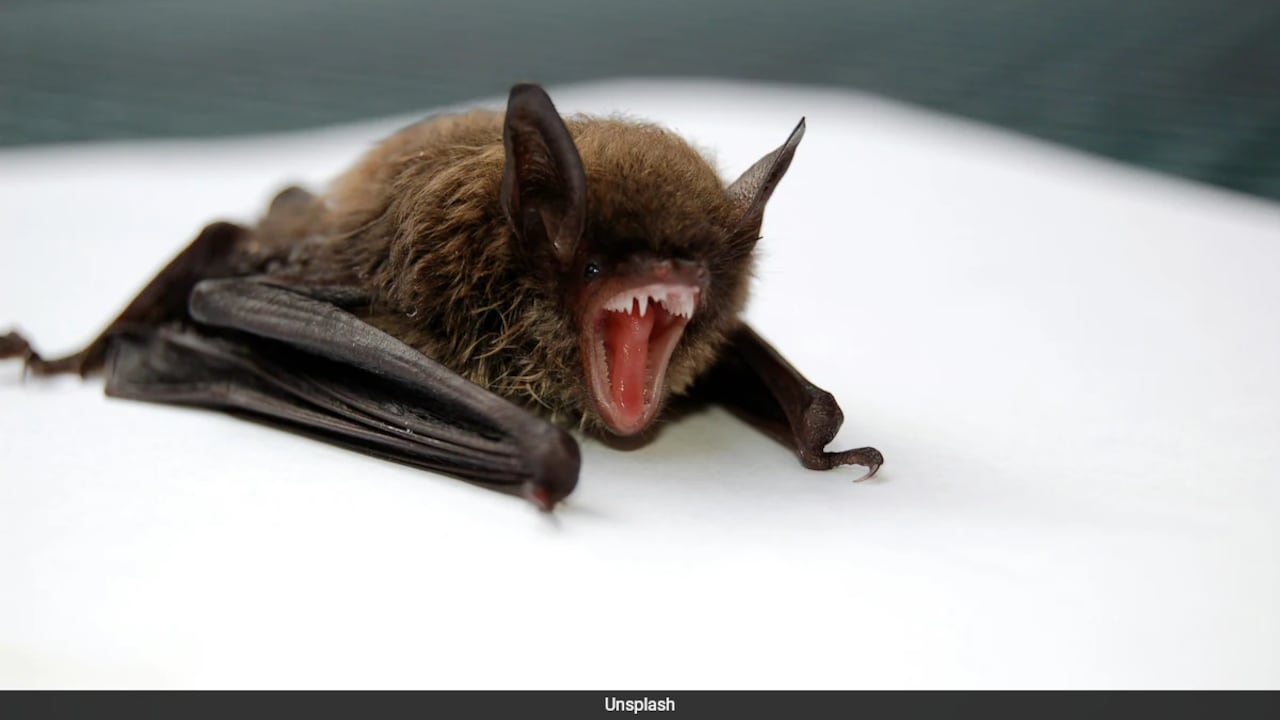
An 11-year-old boy in Northern Ontario, Canada, has died of rabies after waking up to find a bat on his face, despite showing no visible bite or scratch marks. The case, published Monday in the Canadian Medical Association Journal (CMAJ), highlights the hidden dangers of bat exposure and the importance of seeking medical advice even when injuries are not apparent.
During the summer of 2024, the boy woke up to find the bat covering his nose and mouth. He swatted it away, and his father captured and released the animal outside. Because there were no visible signs of a bite or scratch, the family did not seek medical care.
Nineteen days later, the boy developed symptoms including persistent vomiting, facial numbness, and a tingling sensation. He was taken to the emergency department, where doctors provided supportive care. Despite more than two weeks of intensive treatment, his condition deteriorated, and he was eventually removed from life support. He died shortly after.
The boy's parents agreed to share his story to raise awareness about rabies, particularly the risk posed by bats. This is believed to be Ontario's first fatal human rabies infection in over 50 years.
Rabies is almost always fatal once symptoms appear. However, prompt post-exposure prophylaxis (PEP) — a combination of vaccines and immune globulin administered before symptoms develop — is highly effective. Health experts stress that anyone who has direct contact with a bat, especially if they wake up to find one in their room, should seek immediate medical advice, even if no bite or scratch is visible.
Human rabies remains extremely rare in Canada, with only 28 reported cases since 1924. Bats are the leading source of rabies transmission to humans in North America, though raccoons, skunks, and foxes can also carry the virus.







