No blanket ban on reporting: SC clarifies restrictions on audio-video clips
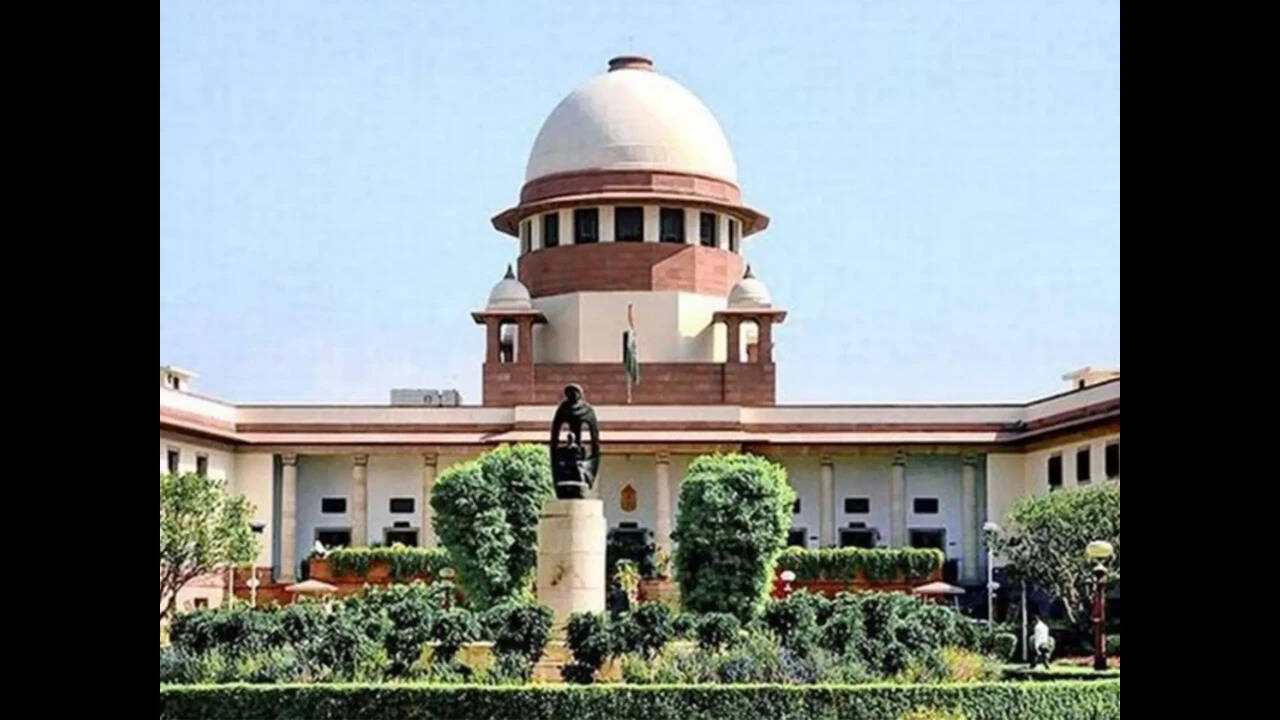
NEW DELHI: The Supreme Court has moved to clear the air over its interim order restricting the use of audio-video clips of court proceedings, clarifying that it does not amount to a blanket ban on reporting. The clarification, issued on July 31, permits news organisations to continue covering judicial proceedings while keeping the restrictions on the use of recordings intact.
A bench headed by the Chief Justice of India said the earlier order must not be read as a prohibition on reportage by recognised news outlets. “It appears, however, that some confusion persists in respect of paragraph 11 of the earlier order, which this court deems necessary to clarify. The said paragraph makes it clear that the order is not to be construed as imposing a blanket prohibition on the reporting of court proceedings by recognised news outlets,” the bench said.
The court added: “In sum, while news outlets may continue to report on the court proceedings, they shall nonetheless remain bound by the restrictions set out in paragraph 10.”
Paragraph 10 of the July 24 order prohibits the extraction, modification, dissemination, monetisation, posting, reposting and uploading of audio-video recordings of judicial proceedings on social media or other digital platforms without prior permission of the secretary general of the Supreme Court or the registrar general of the jurisdictional high courts. The order was passed as an interim measure on a petition filed by a journalist.
The court noted that the clarification was necessary because confusion persisted over the scope of the earlier order. While some media organisations may have interpreted it as stopping reporting altogether, the court said the order only restricts the use of recordings in reportage, not the act of reporting itself.
“As an interim measure, it is directed that there shall be no extraction, modification, dissemination, monetisation, posting, reposting and uploading of audio-video recordings of judicial proceedings on social media or other digital platforms without prior permission of the secretary general of this court or the registrar general of the jurisdictional high courts,” the court had said on July 24.
The court has also issued notices to the Centre and other parties, including some social media platforms, seeking their responses to the petition. Senior advocate Vikas Singh, appearing for the petitioner, described the issue as “very important,” highlighting the need for clear guidelines on the use of court recordings.
The clarification is significant because it reassures media organisations that their fundamental role of reporting court proceedings is not curtailed. However, the restrictions on audio-video clips remain in force, and any violation could attract consequences.
Legal observers note that the interim order seeks to balance transparency with the need to maintain the dignity and integrity of judicial proceedings. While court hearings are generally open to the public and live streaming is allowed in certain constitutional cases, the unauthorised use of recordings can lead to selective sharing and potential misinformation.
The court's order also makes a distinction between recognised news outlets and others. The clarification explicitly refers to "recognised news outlets," suggesting that the relief may not extend to individuals or unauthorised social media users. However, the restrictions in paragraph 10 broadly apply to all platforms and persons.
The matter remains pending before the Supreme Court. Until a final decision is made, news outlets are expected to comply with the restrictions outlined in paragraph 10 of the July 24 order, as clarified on July 31.