NASA invites ISRO to join Moon base programme, signals era of India-US space cooperation
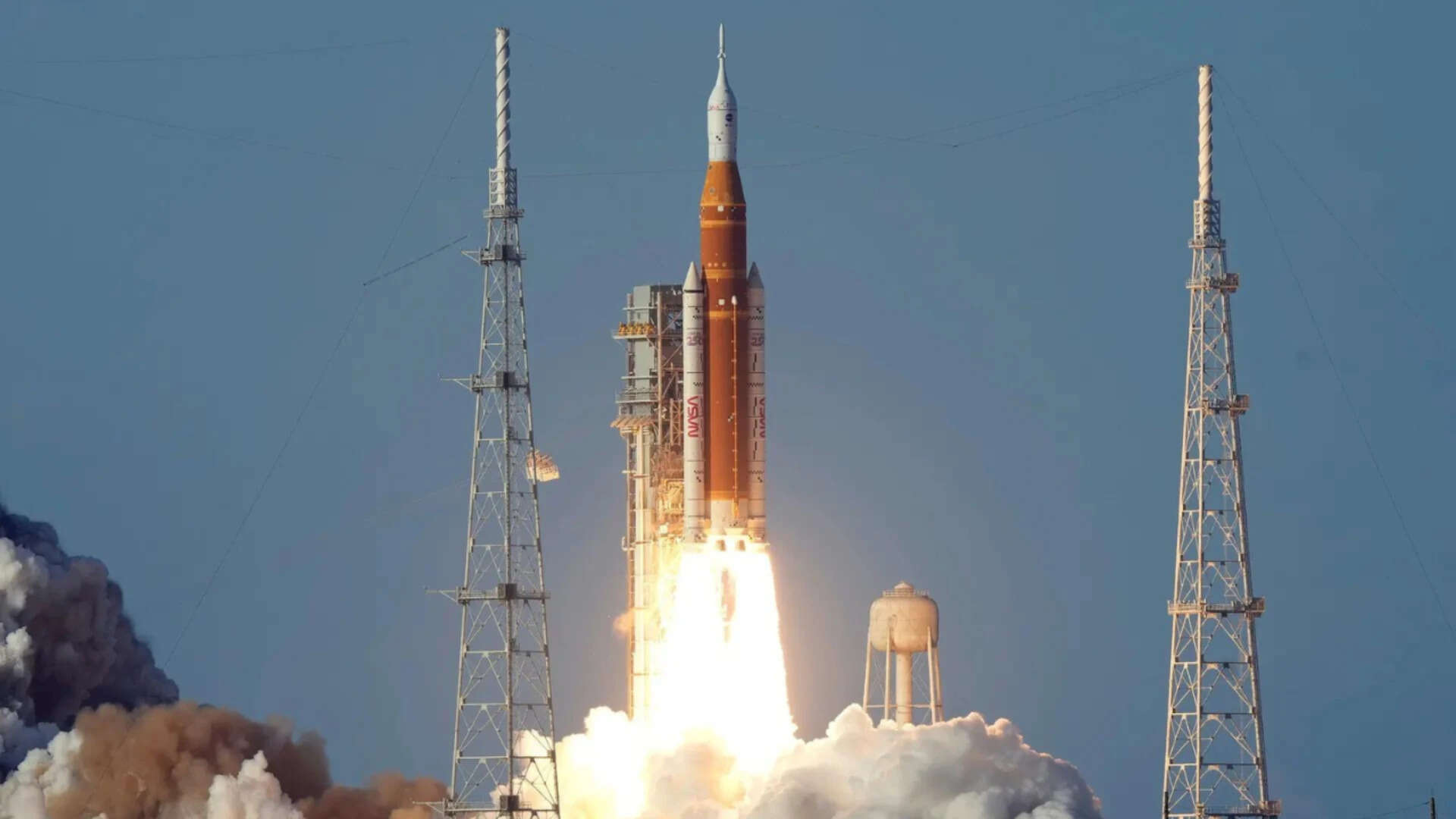
In a significant step for international space collaboration, NASA has invited the Indian Space Research Organisation (ISRO) to participate in its Moon base programme, according to reports. The invitation extends beyond lunar exploration, encompassing a broader framework of space cooperation between the United States and India, officials familiar with the matter said on Monday.
The Moon base programme, part of NASA's Artemis initiative, aims to establish a sustainable human presence on and around the Moon by the end of the decade. The initiative includes the development of the Lunar Gateway, an orbital outpost, and surface habitats where astronauts will live and conduct scientific research. ISRO's potential role could involve contributing modules, robotics, or scientific instruments, leveraging its expertise from successful lunar missions such as Chandrayaan-1 and Chandrayaan-2, which discovered water molecules on the lunar surface and mapped the Moon's mineral composition.
The invitation marks a deepening of the India-US strategic partnership in space, which has already seen cooperation on the NASA-ISRO Synthetic Aperture Radar (NISAR) satellite, scheduled for launch later this year. NISAR will monitor Earth's land and ice surfaces with unprecedented precision, demonstrating the complementary strengths of both space agencies. Additionally, both countries have been working together on Mars exploration, and India is an active partner in the US-led Artemis Accords, which outline principles for responsible space exploration.
For ISRO, joining the Moon base programme represents an opportunity to advance its own capabilities in human spaceflight and long-duration missions. India's Gaganyaan project, which aims to send Indian astronauts to low-Earth orbit by 2025, could benefit from NASA's expertise in life support systems, crew training, and mission operations. In return, NASA gains access to ISRO's cost-effective engineering solutions and its robust network of ground stations, including those that supported interplanetary missions.
The broader space cooperation talks are also expected to cover satellite navigation, with potential interoperability between the US Global Positioning System (GPS) and India's NavIC system. This would enhance positioning, navigation, and timing services in both countries and across the Indo-Pacific region. Climate monitoring, disaster response, and weather forecasting are other areas where joint efforts could yield tangible benefits for global communities.
However, the partnership is not without challenges. The Moon base programme is a long-term and costly endeavour, and NASA's budget remains subject to congressional approval. For India, the investment required for lunar habitats and sustained presence would demand significant increases in its space budget, a decision that requires careful parliamentary oversight and public support. Technology transfer policies, particularly regarding sensitive components such as cryogenic engines and advanced avionics, may also need to be navigated to ensure mutual trust and compliance with international export controls.
Despite these hurdles, the invitation is a testament to ISRO's growing stature as a reliable and innovative space agency. With a track record of successful satellite launches, planetary missions, and the upcoming Gaganyaan human spaceflight, India is increasingly viewed as a key partner in shaping the future of space exploration. The collaboration also carries strategic weight, as both nations seek to counter the expanding influence of China in space, which has its own lunar research station ambitions.
The news has been welcomed by space enthusiasts and analysts in both countries. "This is a defining moment for India's space programme," said a former ISRO scientist, who spoke on condition of anonymity. "It moves us from being a launch provider to a collaborative explorer on the frontier of human presence beyond Earth." But the scientist also cautioned that the partnership must be built on equal terms and mutual benefit.
As details of the invitation emerge, the coming months are likely to see joint working groups and formal agreements. For now, the announcement signals a new chapter in India-US relations, one where science and ambition meet to push the boundaries of human knowledge. The Moon base programme, once a distant dream, is a step closer to becoming a reality, with India potentially standing alongside the United States on the lunar surface.