NDA Allies Seek Clarity on Voter Roll Revision as Opposition Keeps Up Pressure
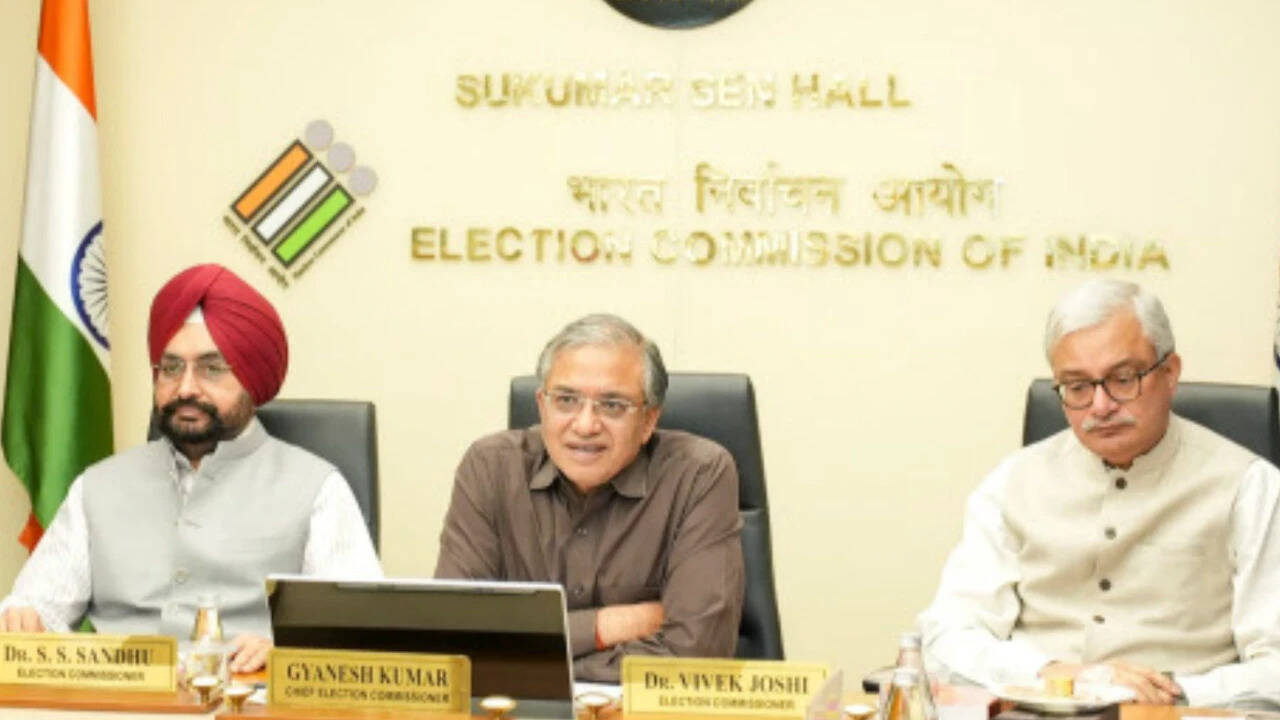
Unease has surfaced within the ruling National Democratic Alliance (NDA) over the Election Commission's Special Intensive Revision (SIR) of electoral rolls, with reports suggesting that three allies of the Bharatiya Janata Party have sought clarifications from the poll body. The three parties have not been publicly named in these reports, and there was no immediate official confirmation from either the allies or the Commission.
The development comes as opposition parties continue to press the Election Commission over the exercise, which involved door-to-door verification of electors before the publication of revised rolls. The process was carried out in Bihar ahead of the state's assembly elections, and the Commission has indicated that similar revisions are planned or under way in other states.
Under the Representation of the People Act, 1950, the Commission is responsible for preparing and maintaining electoral rolls. During a revision, officials visit households to verify whether electors are alive, still resident at the address on record, and not duplicated on the rolls. Draft rolls are then published, and any person whose name is left out can file a claim, while objections can be raised against inclusions. Hearings are held by electoral registration officers, and appeals lie with the district magistrate, the Chief Electoral Officer and, finally, the Commission itself.
The Commission has maintained that the exercise is aimed at removing entries of electors who have died, permanently shifted or are recorded more than once, and that no genuine voter will be struck off. It has also said that anyone deleted can apply for re-inclusion, and that the final decision follows the statutory process of claims and objections.
Opposition parties, however, have alleged that a large number of names were deleted without adequate notice, that errors were widespread, and that the burden of proving eligibility fell unfairly on ordinary voters. They have demanded the publication of state-wise data on deletions and additions, greater transparency in the verification process, and all-party consultations before further phases. Some parties have taken the matter to court, while others have sought meetings with the Commission.
Within the NDA, the reported requests for clarification reflect a delicate political balance. Coalition partners have their own constituencies and must be seen to be safeguarding the interests of their voters. For allies contesting elections on the same ground as the BJP, any perception that legitimate electors were removed could carry electoral costs. Seeking an explanation from the Commission is, in this reading, both a practical step and a political signal.
At the heart of the debate is public confidence in the electoral process. Article 324 of the Constitution vests the superintendence, direction and control of elections in the Election Commission, which is expected to act independently and to be seen to be doing so. Accuracy and inclusion are not competing goals: a roll that is both clean and complete is the foundation of a credible election. Errors in either direction — names wrongly removed or names wrongly retained — weaken that foundation.
Election officials have said that verification is a continuous process and that complaints received during hearings are being addressed. Legal challenges, where filed, will be decided by the courts. What remains to be seen is whether the Commission will publish detailed data and hold wider consultations, and whether the concerns voiced by allies and opponents alike translate into procedural changes in the next phases of the revision.
For voters, the practical advice remains unchanged. Those who find their names missing from a draft or final roll should check with their local electoral office, file the prescribed form with supporting documents, and follow up on the hearing date. The Commission's rules allow re-inclusion, and deadlines for claims and objections are notified publicly for each phase.