Mumbai Receives Over Half of July’s Average Rainfall in Three Days, Reducing Deficit
Mumbai, which ended June with a rainfall deficit and a delayed monsoon onset, has seen a significant turnaround in the first few days of July. According to data from the India Meteorological Department (IMD), the city received more than half of its average rainfall for the entire month of July in just three days between July 1 and the morning of July 4.
The Santacruz observatory recorded 512 mm of rainfall during this period, while the Colaba observatory recorded 430 mm. This accounts for nearly 55 per cent of Mumbai’s average July rainfall. The IMD classifies rainfall as 'very heavy' when a station records 115.6 mm to 204.4 mm in 24 hours, and 'extremely heavy' when the amount exceeds 204.4 mm. Several parts of the city witnessed extremely heavy rainfall on July 2 and 3.
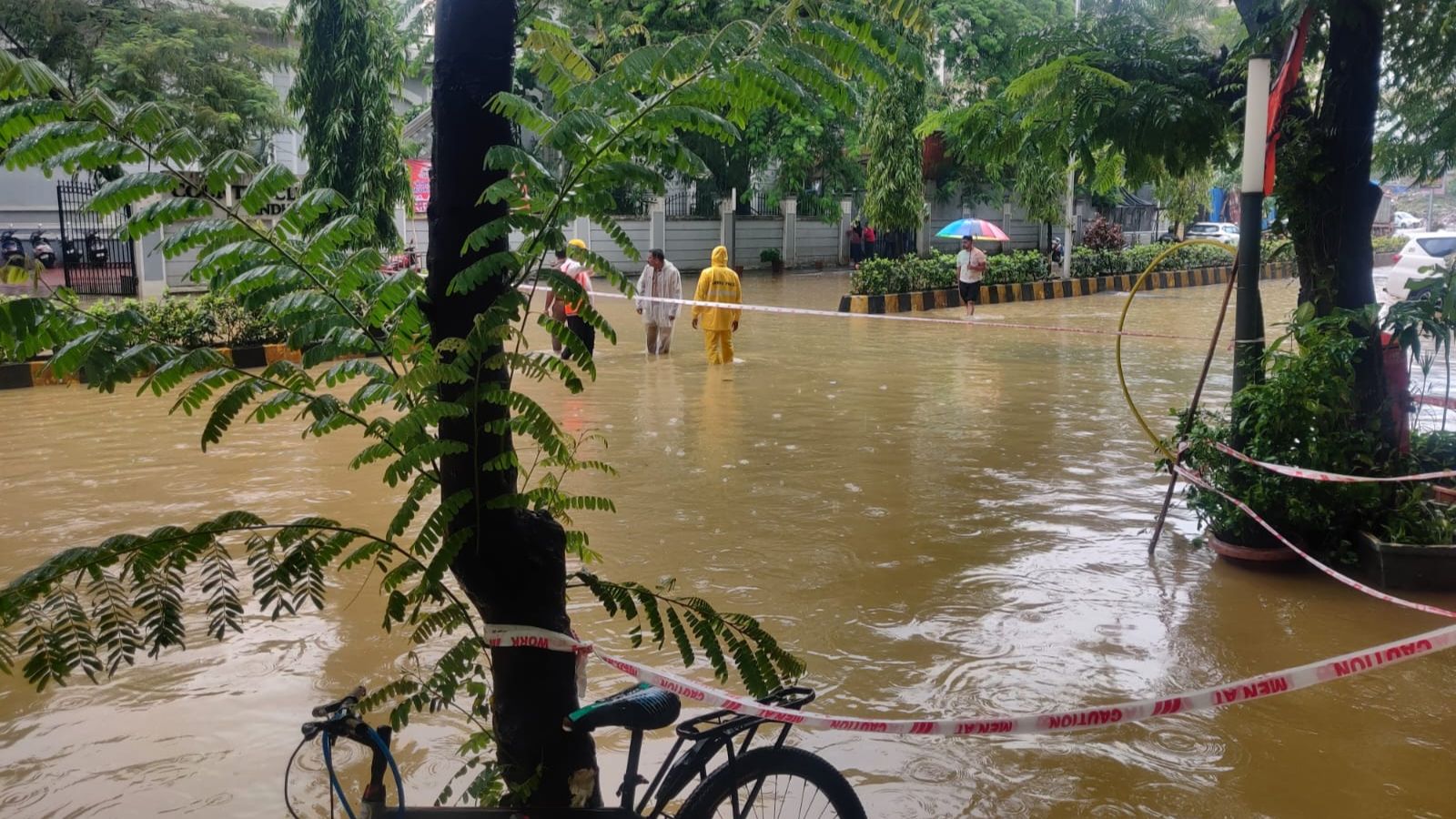
The sudden downpour led to waterlogging in low-lying areas, causing traffic disruptions and road closures. Officials barricaded sections of Veera Desai Road near the County Club to prevent vehicular movement. The Brihanmumbai Municipal Corporation (BMC) and disaster management authorities have been monitoring the situation and deploying pumps to clear water from affected roads.
Despite the heavy rains, the city has not reported any major flooding incidents so far, compared to previous years when similar rainfall amounts caused severe damage. The IMD has issued an orange alert for Mumbai for July 4 and 5, indicating heavy to very heavy rainfall at isolated places. Residents are advised to stay indoors and avoid unnecessary travel during heavy spells.
The monsoon arrived in Mumbai on June 20, nearly a week later than the usual date of June 11. June ended with a deficit of about 20 per cent in rainfall. The recent heavy showers have helped reduce the overall deficit for the season. However, the IMD has cautioned that the monsoon trough is expected to remain active, leading to continued rainfall in the coming days.
The Mumbai Metropolitan Region (MMR), including Thane and Navi Mumbai, also experienced heavy rainfall, with similar waterlogging issues. Local authorities have been coordinating to ensure minimal disruption to daily life.
This pattern of intense rainfall within a short period highlights the challenges urban infrastructure faces in coping with extreme weather events. The BMC has been working on improving drainage systems, but rapid urbanization continues to strain these systems during heavy monsoon spells.
According to climatologists, such short-duration heavy rainfall events are becoming more frequent due to climate change, increasing the risk of urban flooding in cities like Mumbai. The IMD continues to provide regular updates and alerts to help citizens and authorities prepare.