More Seniors in Their 80s and 90s Opt for Surgery to Maintain Independence
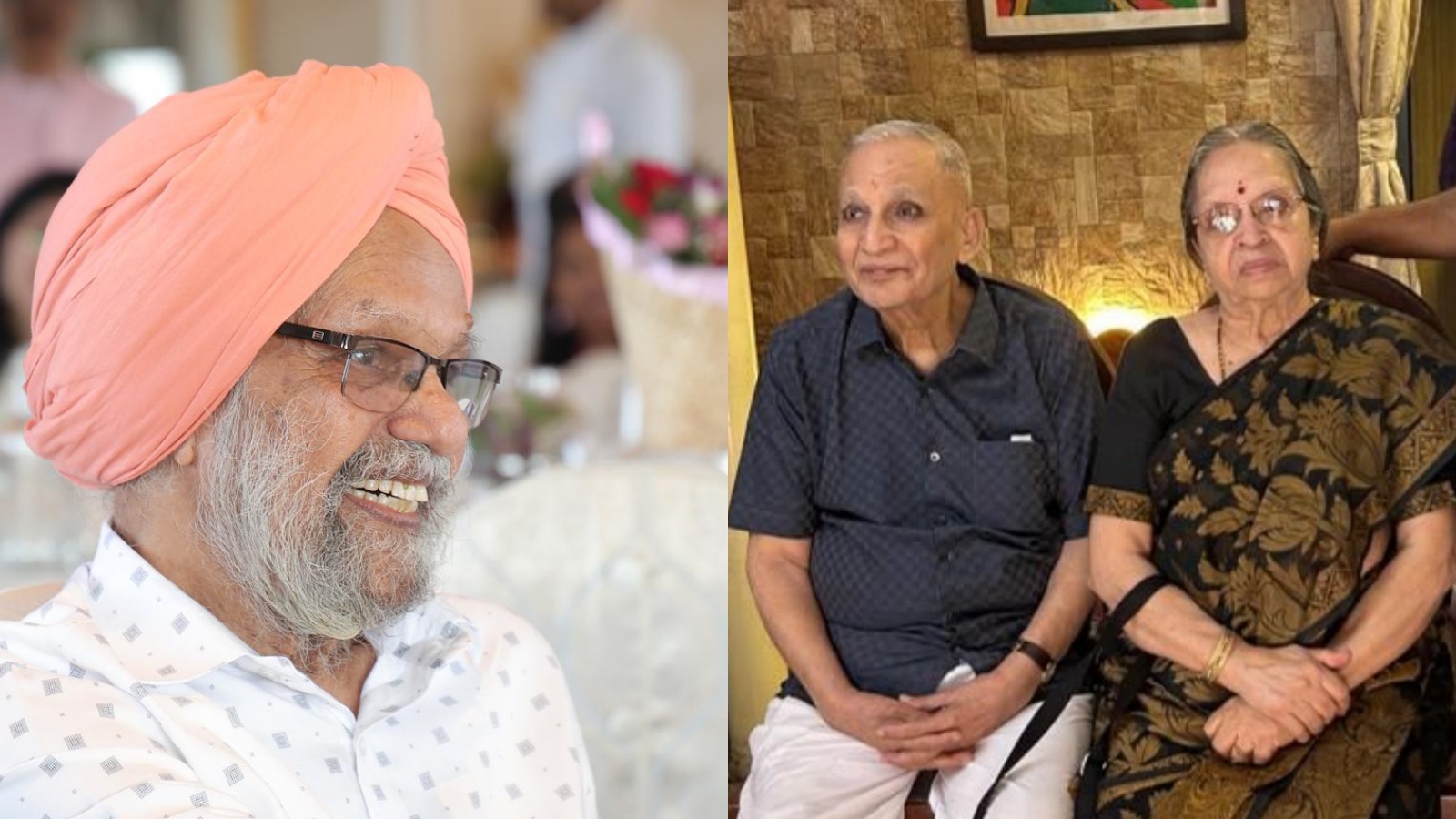
When 86-year-old Vijaya Khare answers the door at her home in Dadar, Mumbai, there is little to suggest she had a knee replacement a year ago. She has just finished making savouries, laying them out on the table, and arranging the room for guests. “As long as I can move, life will be good,” she says.
Vijaya and her husband, 91-year-old Captain PR Khare, have spent decades building an independent life together. Their three sons live separately but visit regularly. This determination is increasingly reflected in hospitals across India, where surgeons report a growing number of patients in their 80s, 90s, and even beyond 100 undergoing surgeries once considered too risky due to age. Knee and hip replacements, bypass and cancer surgeries, gastrointestinal procedures, and cataract surgeries are becoming more common among elderly patients who are medically fit, driven by longer life expectancy and advances in surgery and anaesthesia.
Vijaya started experiencing arthritis-related knee pain when she was around 70. “As I turned 80, I wanted a better quality of life free of pain. My baseline health was good. I wasn’t scared of the operation at all. Today I manage the household myself, and standing for long periods is no longer a problem,” she says. She is also the co-founder of a school for children with intellectual disabilities, and the surgery has helped her visit regularly. Captain Khare underwent open-heart surgery at 76 and prostate surgery at 89, and he lives with Parkinson’s disease. “Without these surgeries, we wouldn’t have been able to stay active and enjoy family celebrations,” Vijaya adds.
Dr Sanjay P Khare, their son and chief consultant at Apollo Hospitals, says longevity, nuclear families, and effective therapies have changed mindsets among the elderly. “Getting operated on at 85 or 86 is no longer extraordinary because advances in medicine have made surgery safer and recovery easier. Minimally invasive techniques, better anaesthesia, pre-operative evaluation, and post-operative care have reduced risks, while better management of chronic conditions means many remain healthier into their 80s,” he says. The potential benefits often outweigh risks, making chronological age less relevant.
Similarly, 90-year-old Kapaldev Singh, a retired BARC scientist, had knee replacement surgery in 2017 and again in 2025. His daughter, Dr Balvinder Sapra, notes, “Usually, our concern is whether muscles would support the implant, but in fit seniors, muscle strength is adequate for speedy recovery.” Singh walked on the second day after surgery and within six weeks no longer needed a walker. Today, he walks one to two kilometres daily and exercises for two hours to maintain strength. “The surgery energised him. Before, he had stopped going out for fear of falling. Now he meets friends regularly,” she says.
This trend reflects a generation unwilling to accept pain and dependence as inevitable parts of ageing, choosing instead to pursue active, independent lives through medical intervention.