Supreme Court mandates elephant clinics, DNA mapping for captive pachyderms
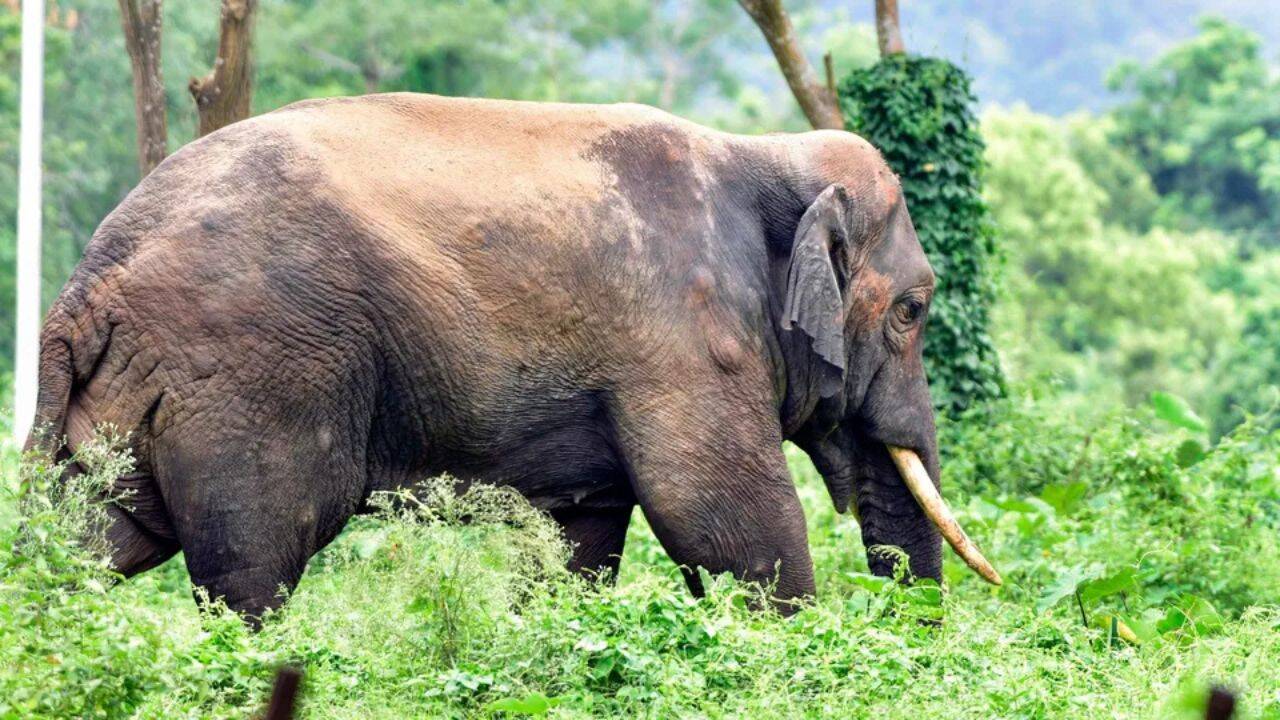
NEW DELHI: The Supreme Court on Tuesday directed the Union government to issue mandatory guidelines to states for establishing specialised elephant clinics that provide periodic health checkups for captive elephants held by individuals, temples, circuses and forest departments.
Hearing a plea by the NGO Wildlife Rescue and Rehabilitation Centre, a bench of Chief Justice Surya Kant and Justices Joymalya Bagchi and V Mohana emphasised that while the legality of keeping elephants in temples was not under consideration, the court was concerned about the wellbeing and health of the animals.
The NGO, through senior advocate Aparna Bhat, contended that despite the Wildlife Protection Act barring elephants in captivity, a large number are illegally held by individuals, temples and others who lack both space and healthcare facilities for the large animals. She flagged instances in Assam and Kerala, noting that many temples in Kerala keep elephants, which is legally impermissible.
However, senior advocate K Parameswaran, appearing for some parties, said the NGO always targets temples ahead of festivities without understanding the importance of elephants for rituals. The bench responded: "We understand the importance of elephants for temples as these animals are regarded as incarnations of God. We are not dealing with the legality of temples having elephants, we are concerned about their wellbeing and health."
The bench also called for DNA mapping of the entire captive elephant population to prevent illegal trade or commercial activities. Additional Solicitor General Aishwarya Bhati informed the court that the Ministry of Environment and Forest's Captive Elephant Healthcare and Welfare Committee addressed these concerns in its February 20 meeting.
Data presented showed that DNA profiling has been completed for 2,075 captive elephants. Of these, 41% were of unknown origin, 34% were born in captivity, and 25% were caught from the wild. The majority of captive elephants — 63% — are females. The ministry reported a total of 2,725 captive elephants: 1,678 with private individuals, 768 with forest departments, 96 with temples, 63 in zoos, 47 in circuses, and 332 in rehabilitation centres.
In its order, the bench said: "Our concern is about the upkeep, health and wellbeing of captive animals, especially those held by private individuals. We direct the Union government to issue mandatory guidelines to the states to introduce an effective and transparent system for establishment of elephant clinics and availability of specialised services which shall be mandatorily availed by captive elephant owners for periodic health checkups."
The clinics must maintain records of treatment given to captive elephants. The Union government will also lay down minimum standards for keeping elephants by individuals, the court said. It further directed states to complete DNA profiling of all captive elephants to prevent their illegal use for commercial activities, sale, or transfers.
The order comes amid broader concerns about the welfare of captive elephants in India, where thousands are kept in temples, private ownership, and circuses despite legal restrictions. The court's directive aims to ensure systematic healthcare and accountability for these animals.