Health Minister Nadda discharged from AIIMS post-angioplasty, thanks staff

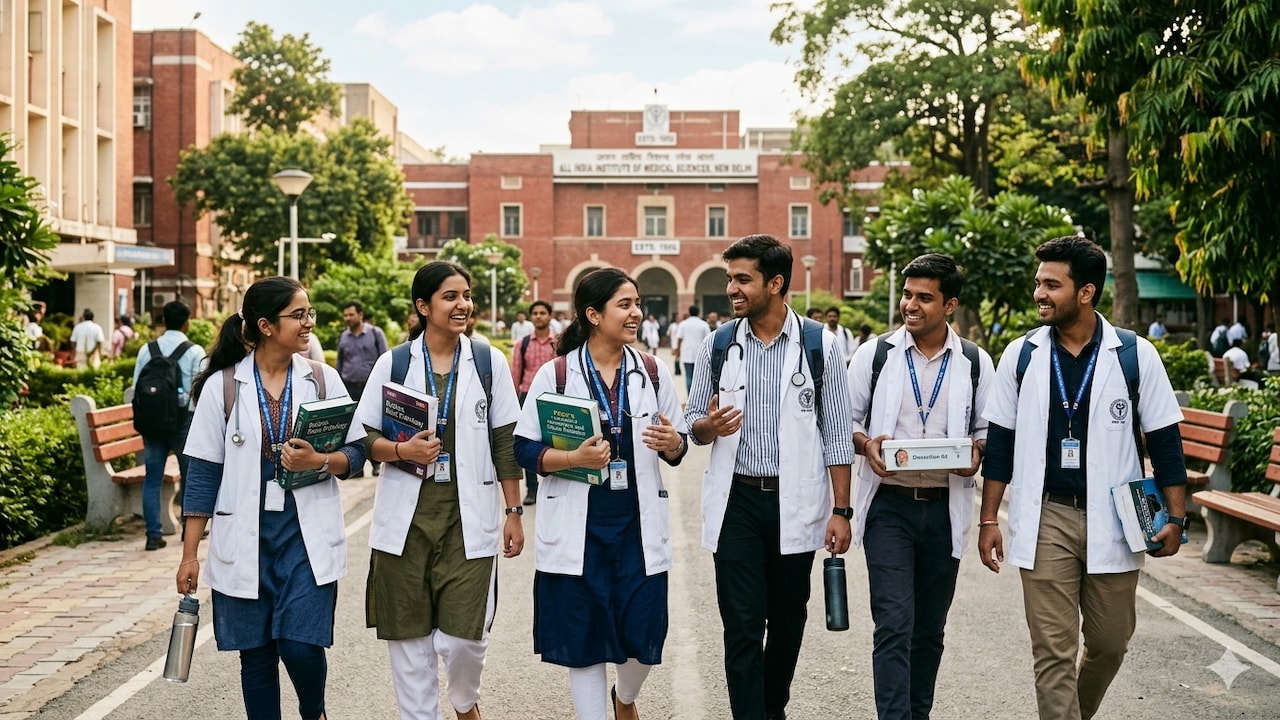
Union Health Minister J.P. Nadda was discharged from the All India Institute of Medical Sciences (AIIMS) in New Delhi on Wednesday, August 19, 2026, after undergoing an angioplasty procedure. The hospital authorities confirmed his discharge in a statement, noting that he had a comfortable stay and expressed gratitude to the medical team.
Mr. Nadda, who was admitted to the hospital on August 13 after experiencing uneasiness, underwent a coronary angiography the same evening. Following the diagnostic test, doctors recommended an angioplasty, which was performed on August 17. He was kept under observation in the Department of Cardiology after the procedure.
The AIIMS statement said, “Nadda was discharged today after undergoing angioplasty. He had a comfortable stay in hospital and thanked all doctors, nurses and staff for the care provided.” The statement did not provide further details about his current health status or any follow-up plans.
Angioplasty is a minimally invasive procedure used to open blocked or narrowed coronary arteries. It involves inserting a small balloon catheter into the affected artery and inflating it to restore blood flow, often followed by the placement of a stent. The procedure is commonly performed for patients with coronary artery disease. Doctors typically advise patients to rest for a few days after the procedure, with a gradual return to normal activities.
As Union Health Minister, Mr. Nadda has been a prominent figure in the government’s health policy decisions, including the implementation of national health programmes and public health initiatives. His brief hospitalisation drew attention given his role, but the swift discharge and positive feedback from AIIMS indicate that the procedure went as planned.
The minister’s discharge comes at a time when the health ministry is overseeing several ongoing health campaigns and policy implementations. However, no official statement has been made regarding his schedule or whether he will take a brief period of rest before resuming duties. The AIIMS statement, which praised Mr. Nadda’s cooperation and the care provided, did not mention any complications.
This is not the first time a senior political figure has been treated at AIIMS, which is the country’s premier medical institute. The hospital has a dedicated cardiology department that handles a high volume of procedures, including angioplasties. The successful outcome in this case reflects the standard of care available at the institution.
The minister’s discharge was confirmed by hospital authorities, but there was no immediate comment from Mr. Nadda himself beyond the gratitude conveyed in the AIIMS statement. His office has also not issued a separate statement regarding his health or future engagements.
Health experts note that early detection and timely intervention are crucial in managing heart conditions. Mr. Nadda’s uneasiness on August 13 prompted immediate medical attention, leading to the angiography and subsequent angioplasty. The swift decision to admit and treat him is consistent with best practices in cardiac care.
As the health minister, Mr. Nadda has often spoken about the importance of preventive healthcare and access to medical facilities. His own experience underscores the need for individuals experiencing symptoms such as chest pain or uneasiness to seek prompt medical advice.
The AIIMS statement did not say when Mr. Nadda is expected to resume his official duties. However, given that he was discharged just two days after the angioplasty, it is likely that his recovery is on track. Patients who undergo uncomplicated angioplasties are often discharged within 24 to 48 hours, with instructions to avoid strenuous activity for a short period.
In the coming days, the minister is expected to follow up with his doctors for routine checks. His discharge from the hospital brings an end to a brief but closely watched episode, and the announcement from AIIMS has reassured the public about his condition.