Monsoon Weakens Again: Rainfall Deficit Widens to 18% Across India
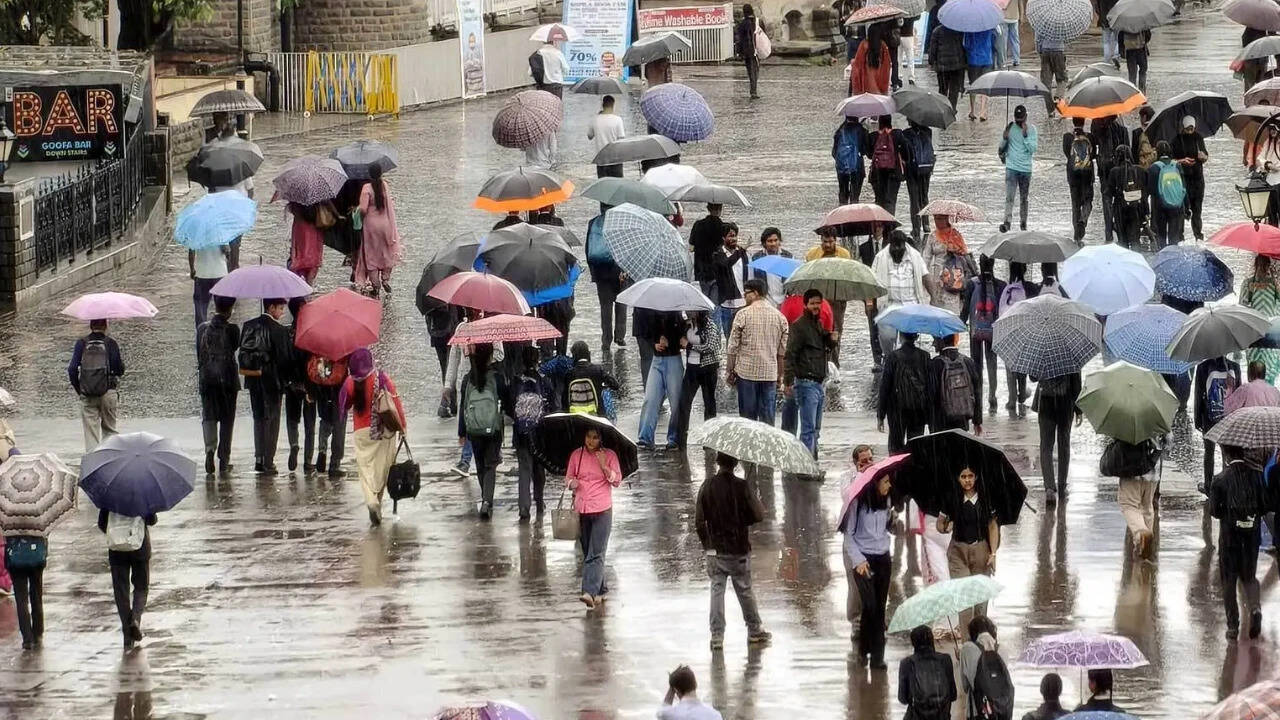
The Indian monsoon has entered another dry phase after a brief period of strong showers, causing the nationwide rainfall deficit to increase to 18% as of Sunday, according to the India Meteorological Department (IMD). The deficit had narrowed from 40% at the end of June to 14% by July 9, but the recent lull has reversed the progress.
IMD has forecast “subdued rainfall activity” over the plains of north-west and west-central India, as well as over south Peninsular India, for the next six to seven days. This dry spell could undermine gains in sowing activity seen last week, as all major crops continue to have lower sown areas compared to the same period last year.
The monsoon core region, which relies heavily on seasonal rains for farming due to limited irrigation, continues to face a large rainfall deficit. As of Sunday, 15 states—including Bihar, Jharkhand, Punjab, Gujarat, Chhattisgarh, Kerala, Karnataka, Telangana, and Andhra Pradesh—reported deficits of 20% or more, with some reaching up to 73% in cumulative rainfall between June 1 and July 12.
Regionally, east and northeast India recorded a significant deficit of 37% due to weak rainfall in Bihar, Jharkhand, and five northeastern states. While IMD has predicted “heavy to very heavy” rainfall over northeast India, West Bengal, and Bihar over the next two to three days, and “isolated heavy falls” over east Uttar Pradesh over the next four to five days, these spells are unlikely to bridge the gap caused by a weak monsoon in a strong El Nino year.
El Nino is a naturally occurring climate phenomenon characterized by above-average sea-surface temperatures in the central and eastern equatorial Pacific Ocean. It is typically associated with a weak monsoon and a harsher summer in India, occurring every two to seven years.







