Monsoon Session to Begin July 20: Parliament Sees Major Shifts in Numbers and Alliances
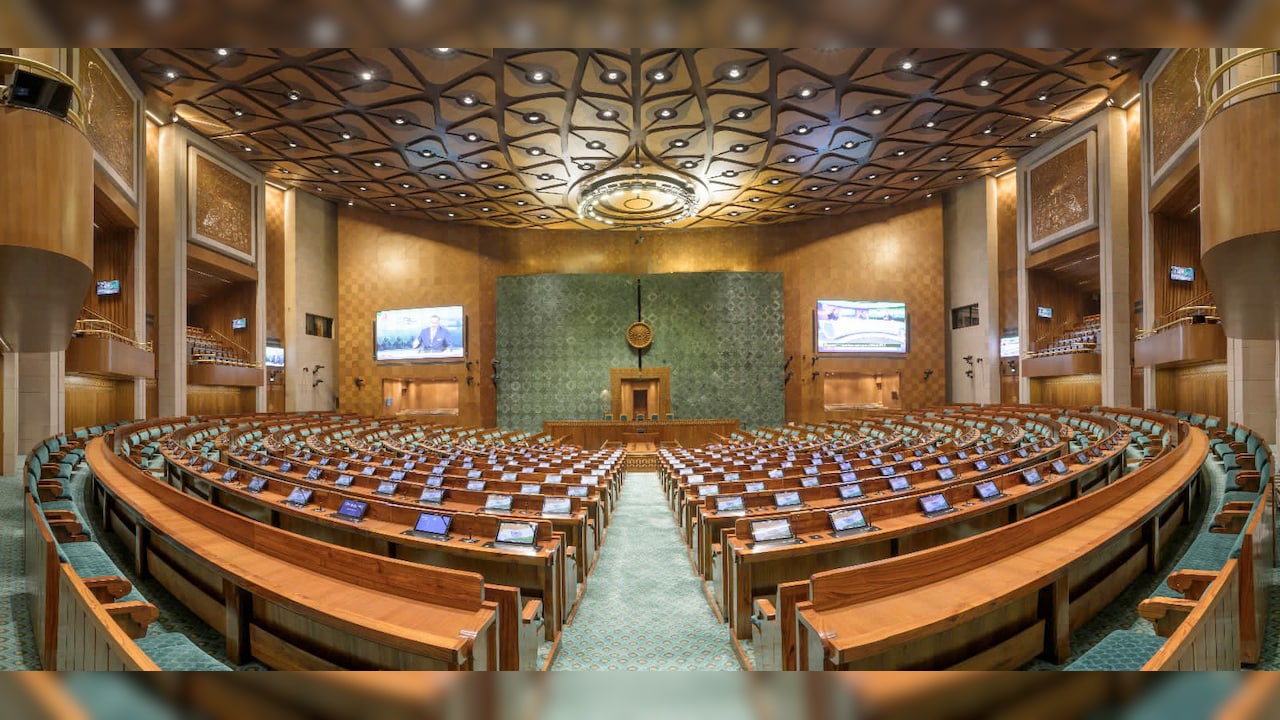
The monsoon session of Parliament is expected to begin on July 20, marking significant changes in the composition and dynamics of the Lok Sabha since the last session in April. The session, lasting four weeks with 19 sittings, is scheduled to conclude on August 13.
Recent political developments, including defections in the Trinamool Congress (TMC), the split in the Uddhav Thackeray faction of the Shiv Sena, and the breakdown of the alliance between the Indian National Developmental Inclusive Alliance (INDIA) and the Dravida Munnetra Kazhagam (DMK), have altered the numerical strength of the ruling National Democratic Alliance (NDA) and the opposition.
Speaker Om Birla is expected to rule on the merger of 20 rebel TMC MPs with the Nationalist Congress Party (Indrajit) and six Uddhav Sena MPs with the Eknath Shinde-led Shiv Sena before the session begins. Additionally, the DMK has requested new seating arrangements away from the Congress party after the Congress allied with the Tamil Manila Congress (TVK) in Tamil Nadu.
These changes are likely to bolster the NDA's numbers. Currently, the NDA commands the support of 293 MPs in the 543-member Lok Sabha, with three seats vacant due to the death of sitting members (Basirhat, Shillong, and Nowgong). With the addition of the 20 rebel TMC MPs and six Uddhav Sena MPs, the NDA's strength could rise to 319. If the 22 DMK MPs provide issue-based support, the tally could reach 341. During the vote on the Constitution Amendment Bill in April, the NDA secured 298 votes, indicating support beyond its core. Factoring in those extra five votes, the NDA's potential tally could be 348, just 12 short of the two-thirds majority mark of 360 (adjusted for vacancies).
The government is expected to push several key bills, including the 131st Constitution Amendment Bill related to women's reservation and delimitation, which was defeated in the previous session. Sources indicate a possible amendment to increase Lok Sabha and assembly seats by 50 percent. The 130th Constitution Amendment Bill, proposing automatic removal of chief ministers, ministers, and the prime minister if they remain under arrest or judicial custody for 30 consecutive days in serious cases, may also be introduced. The Joint Parliamentary Committee (JPC) may recommend amendments to specify applicable laws and prevent misuse. Other bills likely to be brought include the One Nation One Election bill, the FCRA Bill, Viksit Bharat Shiksha Adhishthan Bill, Anti-Doping Bill, and bills to replace ordinances on the number of Supreme Court judges, Code on Wages, Corporate Law, and Securities Market Code.
The opposition, though numerically reduced, plans to raise issues such as the NEET paper leak, the Ram Mandir donation theft, rising petrol and diesel prices, inflation, and unemployment. The session is expected to see robust debates on these matters.