Monsoon Deficit Persists Despite Regional Rains; IMD Predicts Boost from Aug 13
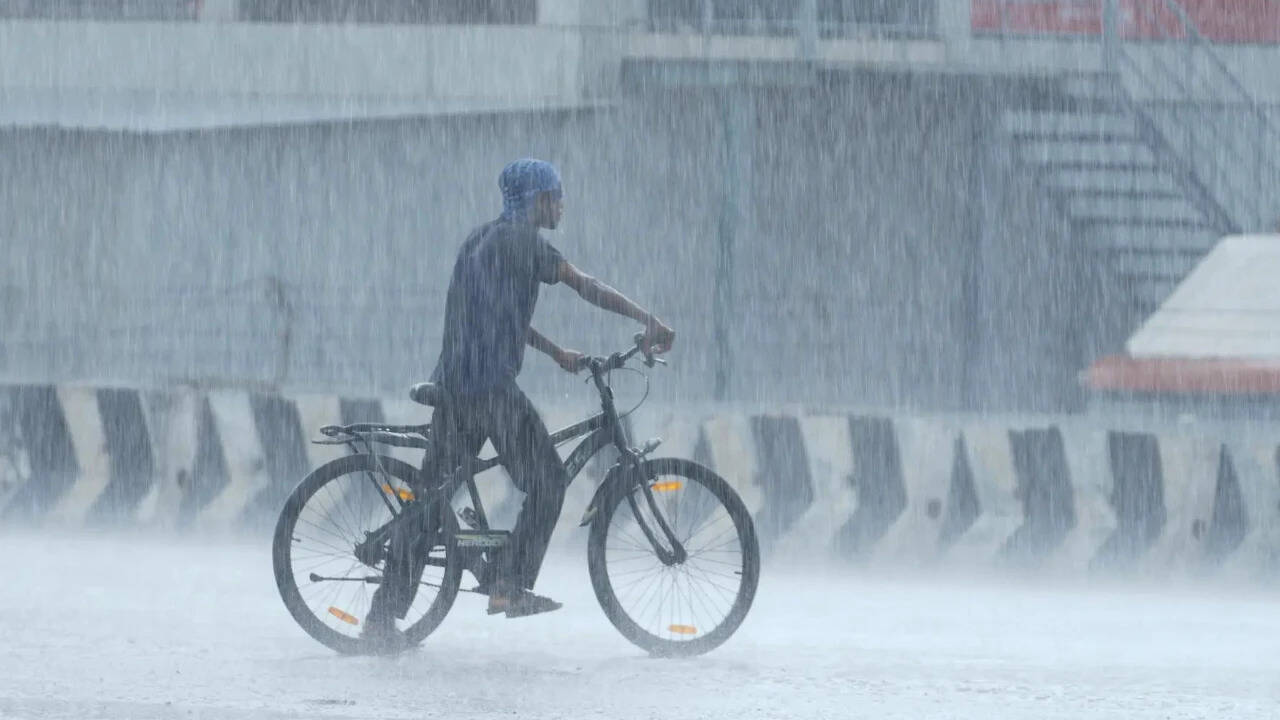
The recent spell of good rains over parts of northern and western India has brought limited relief to the country's overall monsoon situation. According to data from the India Meteorological Department (IMD), the cumulative rainfall deficit for the country slipped only marginally from 12% on August 2 to 11% on August 9. While Delhi, Haryana and east Rajasthan saw improved rainfall that helped offset local shortfalls, several agriculturally significant states continued to experience deficient conditions.
Among the states still facing a significant rain deficit are Bihar, Jharkhand, Uttar Pradesh, Punjab and Andhra Pradesh. These regions are crucial for the cultivation of kharif crops, which are sown during the monsoon season. The persistence of below-normal rainfall in these areas raises concerns for farmers and the broader agrarian economy, particularly as the sowing season has largely concluded.
The IMD's data indicates that kharif sowing has been completed in nearly 88% of the country's total sown area. Despite this, the acreage deficit has narrowed by only one percentage point over the past week. The area under paddy, the primary kharif crop, remains about 4% lower than the corresponding period last year. This shortfall could have implications for food production and supply in the coming months.
However, there is a positive outlook for reservoir levels. Rainfall expected during August is likely to improve water storage in major dams and reservoirs across the country. This is a favourable sign for hydro-power generation and also ensures a backup water supply for the next sowing season. As of Sunday, twelve states have reported high rain deficits of 20% or more, which underscores the uneven distribution of monsoon rains.
In a forecast issued on Sunday, the IMD predicted a rise in rainfall activity over West Bengal, Odisha, Jharkhand, Chhattisgarh and Bihar from August 13 onwards. This is attributed to the likely formation of a low-pressure area over the north Bay of Bengal and the Bengal-Bangladesh coasts around Thursday. The anticipated rains may, to some extent, revive sowing prospects for paddy and maize in Bihar and Jharkhand, which have been particularly affected by the dry spell.
Region-wise analysis of monsoon data reveals that all regions except central India have recorded cumulative rainfall deficits, despite 'normal' precipitation in July and the first week of August. East and northeast India have been the hardest hit, with a deficit of 25%. South peninsular India follows with a 17% deficit, while northwest India has an 11% deficit. Central India is the only region that has seen adequate rainfall so far.
The monsoon is a lifeline for Indian agriculture, with nearly half of the country's farmland relying on it for irrigation. A persistent deficit can lead to reduced crop yields, lower farm incomes and stress on rural livelihoods. While the forecast of increased rainfall in eastern India offers some hope, the overall situation remains fragile. The IMD's continued monitoring and timely forecasts will be essential in helping farmers and policymakers adapt to the evolving conditions.