Modi Credits Diplomacy and 'Dosti' for India's Energy Crisis Management
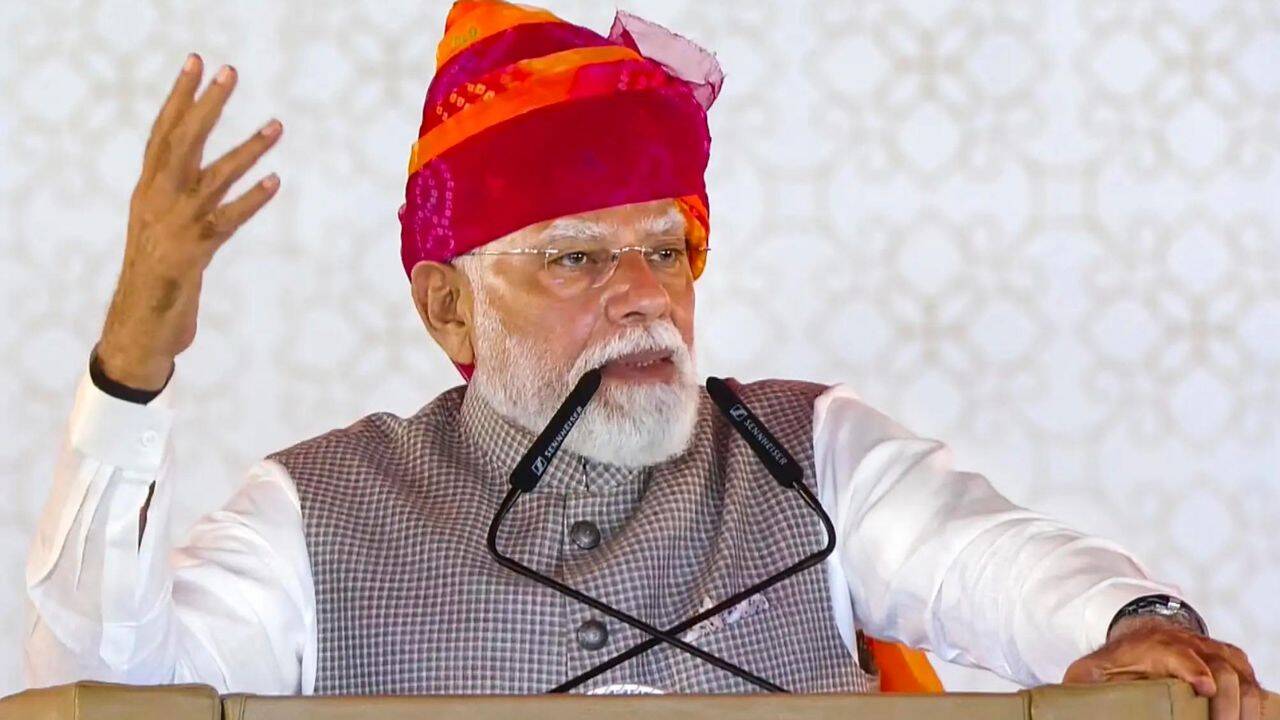
Prime Minister Narendra Modi has attributed India's ability to navigate the global energy crisis to a combination of strategic decision-making and diplomatic relationships. Speaking at a recent event, he stated, 'We made the right decision at every level. Diplomacy and dosti (friendship) helped us tackle the energy crisis.'
The global energy market faced unprecedented volatility following the Russia-Ukraine conflict, leading to sharp increases in crude oil and natural gas prices. India, as a major importer of energy, was particularly vulnerable. However, the government implemented a series of measures to mitigate the impact on the domestic economy.
These included diversifying oil import sources, increasing purchases from Russia at discounted rates, and releasing strategic petroleum reserves. Additionally, bilateral engagements with key oil-producing nations helped secure stable supply agreements. The Prime Minister's emphasis on 'dosti' underscores the role of friendly relations in ensuring energy security.
India's approach also involved domestic policy adjustments, such as cutting excise duties on petrol and diesel to cushion consumers from price hikes. The government expanded natural gas infrastructure and promoted renewable energy to reduce long-term dependency.
Despite global pressures, India managed to keep fuel prices relatively stable compared to many other nations. Economic analysts note that the combination of diplomatic outreach and prudent fiscal management contributed to this outcome. However, critics argue that increased Russian oil imports complicated India's foreign policy stance.
Prime Minister Modi's remarks highlight the administration's view that proactive diplomacy and trust-based relationships were critical in overcoming a challenge that disrupted economies worldwide.







