SC rejects hanging abolition plea; PM CARES donations surge but spending stays at 0.1%
Here are the top news stories from Tuesday, August 18, 2026, covering the Supreme Court, the PM CARES Fund, and more.
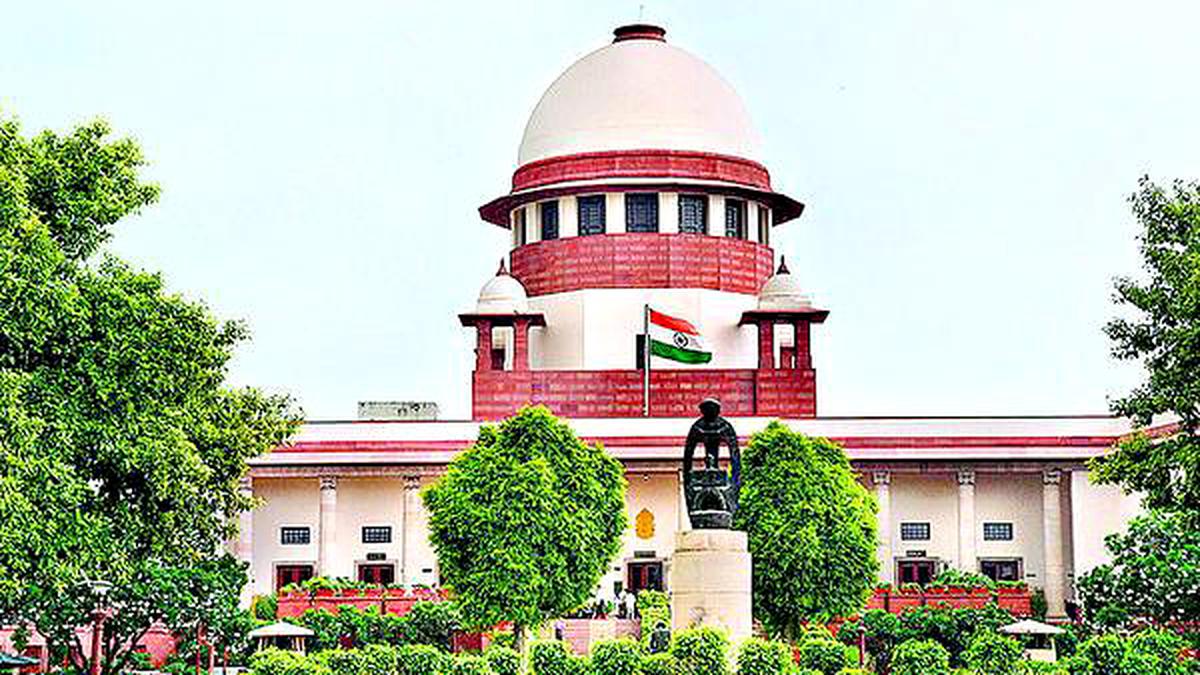
The Supreme Court on Tuesday dismissed a petition seeking the abolition of execution by hanging and its replacement with less painful methods such as intravenous lethal injection. A Bench of Justices Vikram Nath and Sandeep Mehta said its verdict would not preclude the Centre from undertaking a comprehensive review of the existing method through an expert body. The court observed that such a review could examine whether alternative methods better serve the constitutional objective of minimising unnecessary pain while preserving the dignity of the condemned prisoner.
The PM CARES Fund released its audited financial statements for 2023-24 and 2024-25 on Tuesday, after having failed to upload the annual disclosure documents since 2022-23 — a lapse highlighted by The Hindu on August 8. The statements showed a 592% increase in donations in 2024-25 to nearly ₹480 crore. However, the fund spent only 0.1% of the donations received during the period, which amounts to about ₹48 lakh. The public charitable trust, established in March 2020 to support relief efforts during public health emergencies and other disasters, is chaired by the Prime Minister and funded entirely through voluntary contributions, as per information released by the Central government.
In another development, the Supreme Court directed the Centre to respond to a plea seeking a “standard questionnaire and special investigation procedure” to ensure time-bound investigation and speedy trial of paper leak cases. A Bench headed by Justice P.S. Narasimha issued notice to the Union and State governments on the plea filed by advocate Ashwini Kumar Upadhyay, who also sought a direction for the assessment of the entire property of perpetrators and their family members.
The agitation against alleged job exam irregularities in Jharkhand entered its 25th day on Tuesday, with three of the six protesters — Rahul Kranti, Sabita Kumari, and Rupesh Pal — continuing their hunger strike. The protest continued even after Chief Minister Hemant Soren announced the cancellation of all recruitment tests, including the Jharkhand Staff Selection Commission-Combined Graduate Level (JSSC-CGL) examination, conducted by an outsourced agency since 2014. Jharkhand Loktantrik Kranti Morcha leader Devendra Mahto ended his 16-day hunger strike late Monday night, soon after the government’s announcement, and said a Phase 2 stir would be launched for corruption-free job exams. Two other protesters, Prem Nayak and Umme Habiba, also ended their fasts.
In Uttarakhand, the body of another worker trapped in a tunnel at the Vishnugad-Pipalkoti hydroelectric project in Chamoli district was found on Tuesday, taking the death toll to nine. The worker was among 22 people caught in the three-kilometre tunnel when a landslide led to debris and water flooding on August 13. One worker remains missing, and rescue operations are continuing, officials said. The tunnel is part of the Tehri Hydro Development Corporation’s project.
Delhi Police told the Supreme Court that facial recognition technology was used during the NEET-UG paper leak protests in the national capital. The protests were against alleged irregularities in the medical entrance examination. An affidavit filed by the police described the deployment of the technology as in “legitimate State interest.” The affidavit did not specifically address the use of pellet guns by the Rapid Action Force on protesters. The police said the force employed was proportionate, reasonable, and graded.







