Millions of Indians Have High Blood Pressure Without Knowing It: Why Screening Should Start at 18
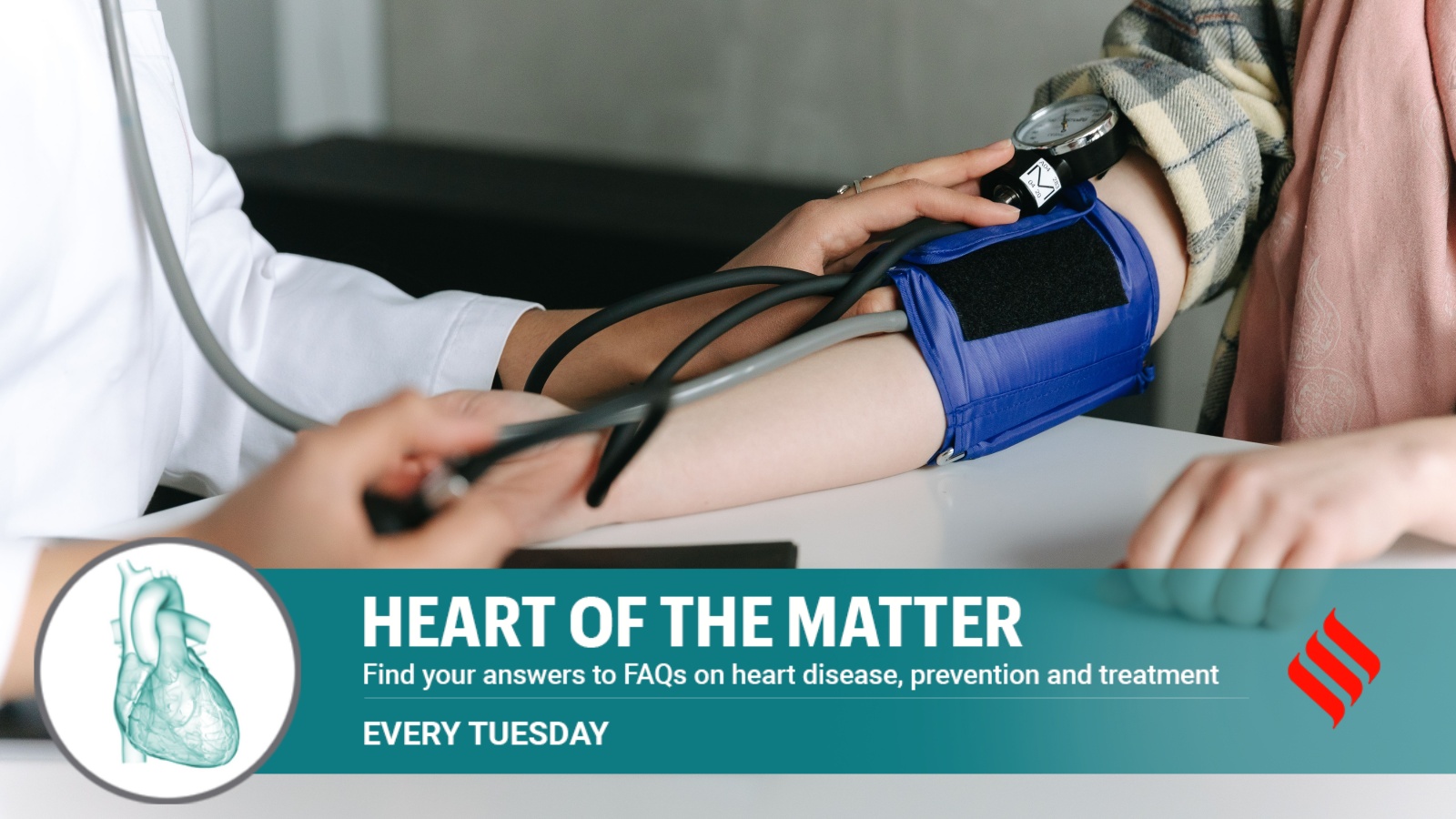
A 38-year-old software engineer from Bengaluru considered himself healthy. He rarely fell sick, exercised moderately, and had never experienced severe headaches or dizziness. During a routine workplace health check, however, his blood pressure was measured at 156/96 mmHg (normal being 120/80 mmHg). Assuming it was stress from an important meeting, he ignored the result. When his physician advised home monitoring for a week, readings remained consistently high. Further evaluation revealed early damage to his heart and kidneys – damage that had been developing quietly for years despite no obvious symptoms.
Rajesh’s story is common across India. Millions live unknowingly with hypertension because of a dangerous myth: if I feel fine, I must be healthy. Many believe that high blood pressure always causes obvious symptoms like nosebleeds or intense headaches. While those can occur in emergencies, many Indians with Stage 1 hypertension (130-139 mmHg systolic or 80-89 mmHg diastolic) feel energetic and normal.
Blood pressure measures the force exerted against arterial walls. When chronically elevated, arteries become stiffer and thicker. Because this process is gradual and occurs at a cellular level, the brain adapts to the “new normal,” leaving people unaware of the strain on the heart and kidneys. This is especially concerning for the young: hypertension affects 12.1% of young Indians, increasing their risk of premature cardiovascular events and reduced productivity.
While hypertension is often asymptomatic, it can leave subtle signals that are commonly dismissed. These include nocturia (frequent nighttime urination, indicating kidney strain), pulsatile tinnitus (a rhythmic whoosh in the ears matching the heartbeat), chronic tension in the neck or shoulders, unexplained sleep disturbances, and subconjunctival haemorrhage (painless red spots in the eye from ruptured capillaries).
In India, excessive sodium intake is a major culprit – salt hidden not only in pickles and papads but also in packaged “diet” snacks, ready-to-eat meals, and fast food. Rising obesity, sedentary lifestyles, and chronic stress compound the problem. A clinical analysis of over 8,600 Indian patients found excess salt intake (39%) as the most common risk factor, followed by obesity (32.9%), sedentary lifestyle (28.6%), and emotional stress (20.7%). Additionally, the South Asian phenotype makes Indians more susceptible to strokes and heart attacks at lower blood pressure levels compared to many Western populations.
A growing concern is masked hypertension, where blood pressure appears normal in a clinical setting but is high during daily life. This condition is often missed without home monitoring or ambulatory blood pressure measurement. Experts strongly recommend that all adults begin blood pressure screening at age 18, even if they feel healthy. Early detection and lifestyle modifications can prevent long-term organ damage and reduce the burden of cardiovascular disease.