Karnataka's Small Hydel Projects: 386 of 519 Allotted Units Cancelled – A Cautionary Tale for Centre
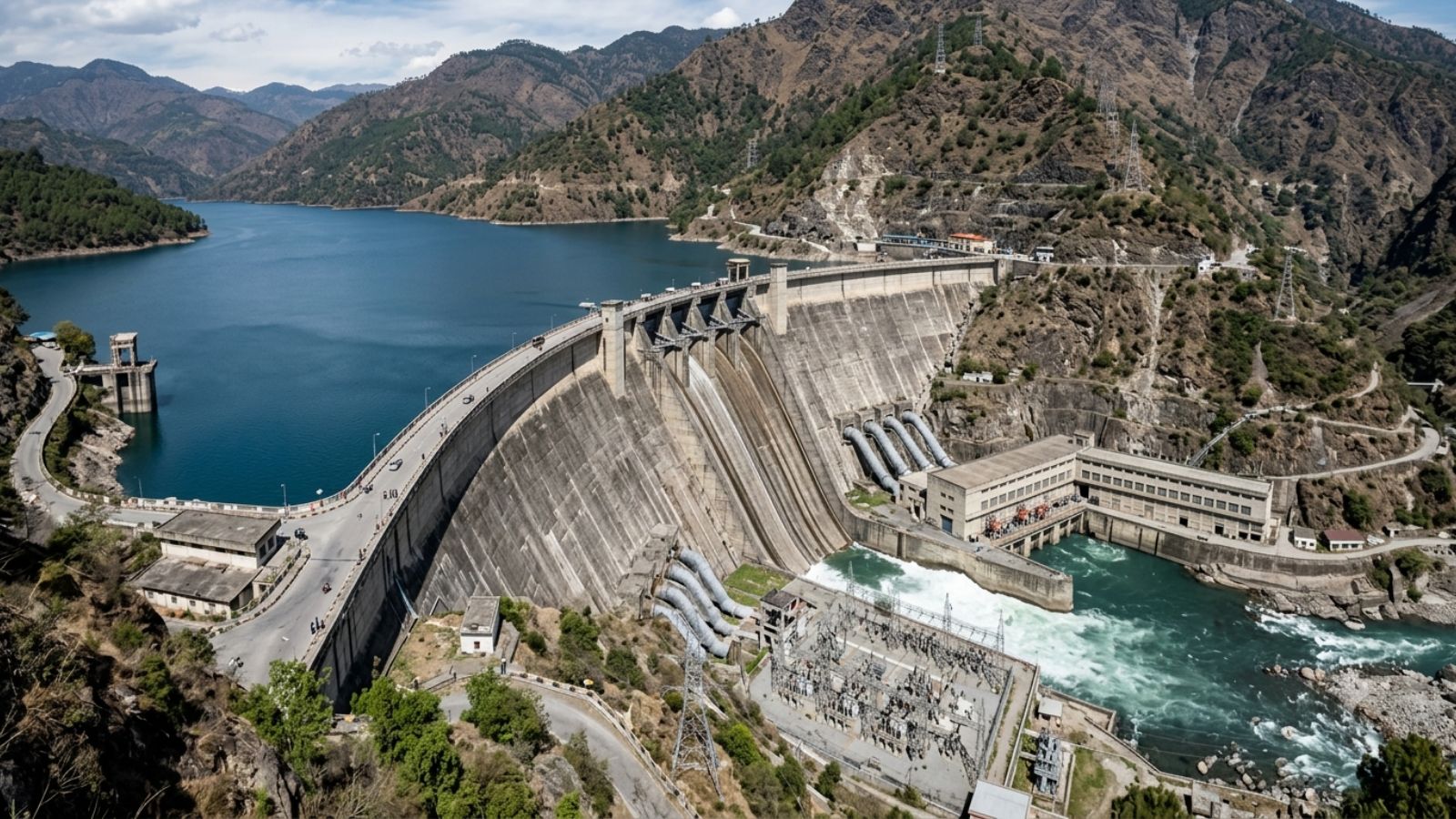
As the Central government pushes for small hydel power projects nationwide, Karnataka's experience offers a stark warning. Despite being the top state in the sector with an installed capacity of 1,284 MW, a large number of allotted projects have failed to reach completion.
According to data from the Karnataka Renewable Energy Development Limited (KREDL) up to May 31, of the 519 small hydel projects (up to 25 MW capacity) allotted in the state, 386 have been cancelled. Only 108 projects were commissioned, yielding 943 MW against the allotted total of 3,198 MW.
The cancellations are concentrated in two periods: 2007-10 and 2014-15, when incentives were offered, and notably in 2022-23, when 220 of 225 allotted projects were cancelled under the BJP government. The primary reason cited by KREDL officials is the failure to obtain environmental and forest clearances, particularly in the ecologically sensitive Western Ghats region.
KREDL Managing Director K.P. Rudrappaiah stated, “Many of these projects were in the Western Ghats and did not get environmental clearances. The main reason for a large number of cancellations is this.” Officials noted that small hydel projects are often located in forest areas, and clearances – including those from the National Board for Wildlife – are a common hurdle.
In March this year, the Centre approved a ₹2,584-crore incentive for private participation in small hydro, aiming to add 1,500 MW, amid fuel shortages from the West Asia crisis. The Karnataka data suggests that without addressing clearance bottlenecks, such incentives may not translate into operational projects.
Among defaulting firms, a group of 11 projects (84 MW) allotted to companies linked to Vignesh Shishir – a Bengaluru businessman and BJP worker – were all cancelled between 2014 and 2018. These firms, including Parpikala Power, Pushpagiri Power, and others, failed to secure clearances. Some are under police investigation for alleged money laundering. Another major defaulter is Bhoruka Power Corporation, which had 11 projects.
The cancellations highlight systemic issues: multiple extensions granted, projects remaining on paper, and a concentration of allotments among a few entities. A KREDL official said, “The firms failed to start their projects despite multiple extensions.”
For the Centre's new push to succeed, lessons from Karnataka underscore the need for realistic assessments of environmental viability and stricter timelines for project implementation.