N Chandrasekaran Resigns as Tata Sons Chairman, Cites Lack of Unanimous Board Support
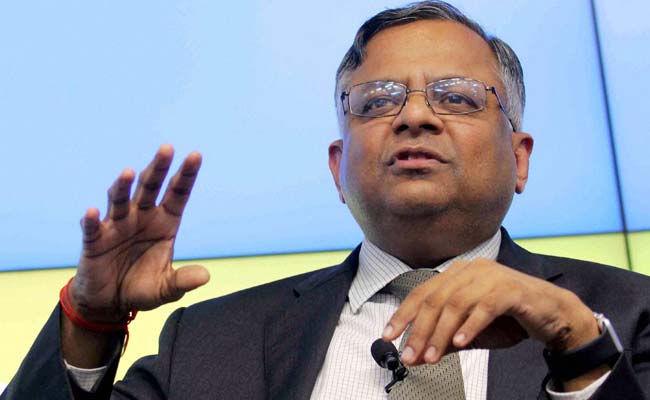
N Chandrasekaran has stepped down as Chairman of Tata Sons, the holding company of the Tata Group, ahead of the company’s annual general meeting scheduled for August 18. His resignation marks the end of a tenure that began in 2017, though his term was originally set to continue until February 2027.
In a statement, Chandrasekaran said, “I have completed 40 years of professional life at the Tata Group. I am grateful for the immensely satisfying opportunity to contribute to this venerable institution. Leading Tata Sons over the past decade has been a great honour and a profound responsibility.” He added that he would not seek reappointment after his current term ends, and had asked the board to decide on succession soon to ensure a proper transition.
Chandrasekaran, who joined the Tata Group in 1987 and served as CEO of Tata Consultancy Services (TCS) before taking over as chairman of Tata Sons in 2017, explained the circumstances behind his decision. According to his statement, the proposal to extend his term by five years after February 2027 was tabled at a board meeting on February 24, 2026. This proposal had been recommended by the Nomination and Remuneration Committee and had the backing of Sir Dorabji Tata Trust and Sir Ratan Tata Trust. However, it was not carried through because one board member did not support it. “In the absence of unanimous support, I chose to defer the decision,” he said.
The resignation comes amid reported differences between Chandrasekaran and Tata Trusts chairman Noel Tata, as well as broader disagreements between Tata Sons and Tata Trusts over board representation, group strategy, and the proposed exit of minority shareholder Shapoorji Pallonji. While the statement does not name the board member who opposed the extension, sources indicate that Noel Tata had opposed the move to reappoint Chandrasekaran.
Following the announcement, shares of Tata Group companies declined. At 11:30 am, TCS fell 3.9 per cent, Tata Steel dropped 1.83 per cent, and Tata Power was down 1.26 per cent. The market reaction reflects investor concerns over leadership continuity at the conglomerate, which manages businesses including Tata Consultancy Services, Tata Motors, and Air India.
Chandrasekaran’s tenure saw the group navigate several significant challenges, including the aftermath of the Air India crash, pricing pressure at TCS, and a cyberattack at Jaguar Land Rover. Under his leadership, the group also expanded its presence in aviation and technology services.
The Tata Group is one of India’s largest and most influential business houses, with a history spanning over 150 years. Tata Sons, the holding company, is majority-owned by philanthropic trusts, which gives the group its distinctive character. The succession process will be closely watched, as it will determine the future direction of the conglomerate.
Chandrasekaran’s statement expressed confidence in the group’s leadership and management. “I have full confidence in the ability of the leadership team to take the group forward,” he said. He also thanked the board, the trusts, and all stakeholders for their support over the years.
Analysts say the resignation highlights governance complexities within the Tata Group, where the interplay between the board, the shareholder trusts, and key individuals can shape strategic decisions. The selection of a new chairman will be a critical step for the group as it seeks to maintain stability and growth.
The annual general meeting on August 18 is expected to address the succession plan, though no official announcement has been made regarding a replacement. The board is likely to consider both internal candidates and external leaders for the role, ensuring that the transition aligns with the group’s values and long-term interests.
As the Tata Group prepares for a change in leadership, stakeholders will be looking for clarity and continuity. Chandrasekaran leaves behind a legacy of steering the group through turbulent times, and his resignation marks the end of an era for one of India’s most iconic business institutions.