ITI Grading Improves, 466 Institutes Score Above 9 on 10-Point Scale
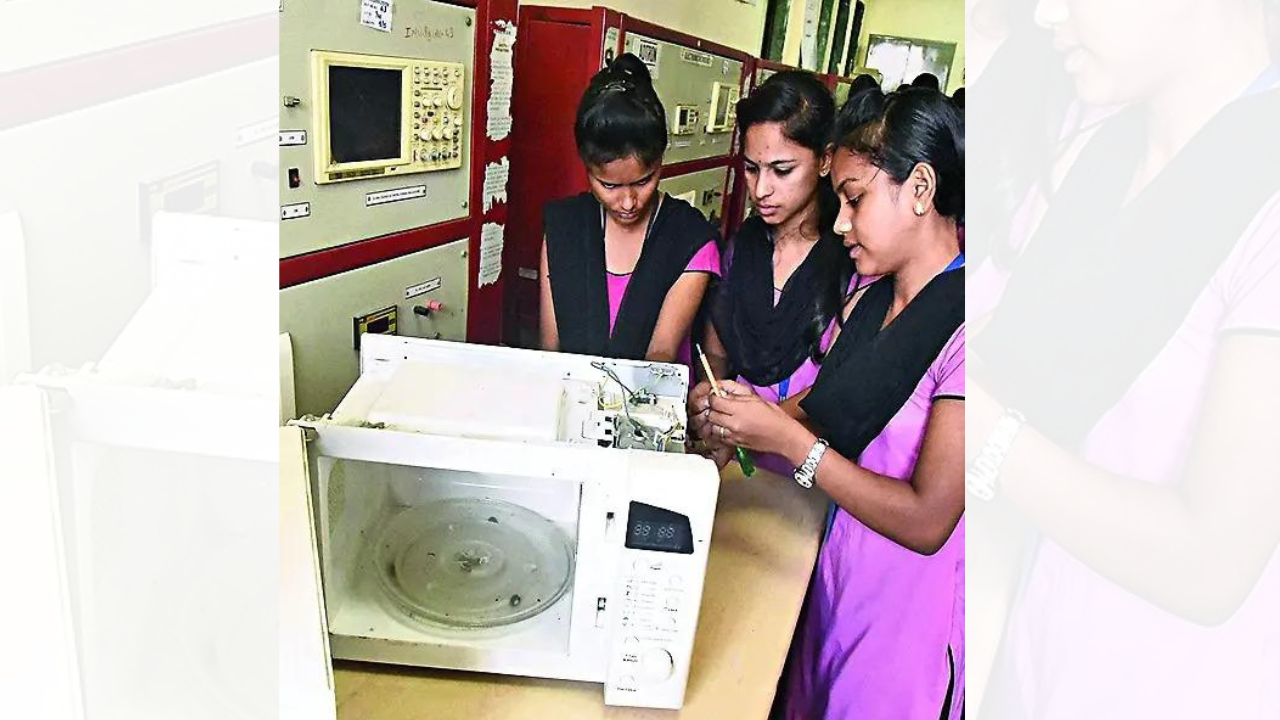
The Ministry of Skill Development and Entrepreneurship has completed its annual grading of nearly 15,000 government and private Industrial Training Institutes (ITIs) across the country, which together cater to over 14 lakh students. Modelled along the lines of the National Institutional Ranking Framework (NIRF) used for higher education institutions, this evaluation aims to bring transparency and quality improvement to vocational training.
For the academic year 2026-27, a total of 466 ITIs achieved a grade above 9 on a 10-point scale, compared to 403 in the previous year. The top performer was the Government ITI, World Bank (Mahila) in Meerut, Uttar Pradesh, with a score of 9.8. It was closely followed by the Government ITI in Chaibasa, Jharkhand; Dalmia Private ITI in Sundargarh, Odisha; and the Government ITI in Jhansi, Uttar Pradesh, each securing 9.7.
The grading revealed that nearly 11,600 ITIs scored above 4, a slight decline from 11,928 last year. However, crossing the grade 4 threshold is significant because it qualifies institutions to introduce new-age courses. These include subjects like 3D printing, Internet of Things (IoT), drone technician, solar technician, and other emerging trades that align with industry demands. Meanwhile, 126 newly established ITIs were classified as non-graded due to insufficient data.
The Directorate General of Training, the apex body for regulating vocational training, designed the grading methodology using eight parameters. The highest weightage is assigned to admission performance (30%) and student passing results (30%). A computer-based examination accounts for 10%, while average marks obtained also carry 10% weightage. Additionally, enrolment of women and diversity in trades, including new and emerging courses, each contribute 5% to the overall score.
Ministry officials emphasized that such grading exercises are part of a broader effort to enhance the quality of skill development in India. By linking grades to the ability to offer advanced courses, the system incentivizes ITIs to improve infrastructure, teaching quality, and student outcomes. The inclusion of parameters like women's enrolment and trade diversity further supports the government's goals of inclusive growth and alignment with the National Education Policy 2020.
The improved numbers of top-graded ITIs suggest a positive trend, though the marginal dip in the number of institutes scoring above 4 indicates room for sustained effort. With the rapid evolution of technology and the job market, industry-aligned vocational training remains crucial for India's demographic dividend.