ISRO's Next Chapter: Leading India's Space Ecosystem, Not Just Missions
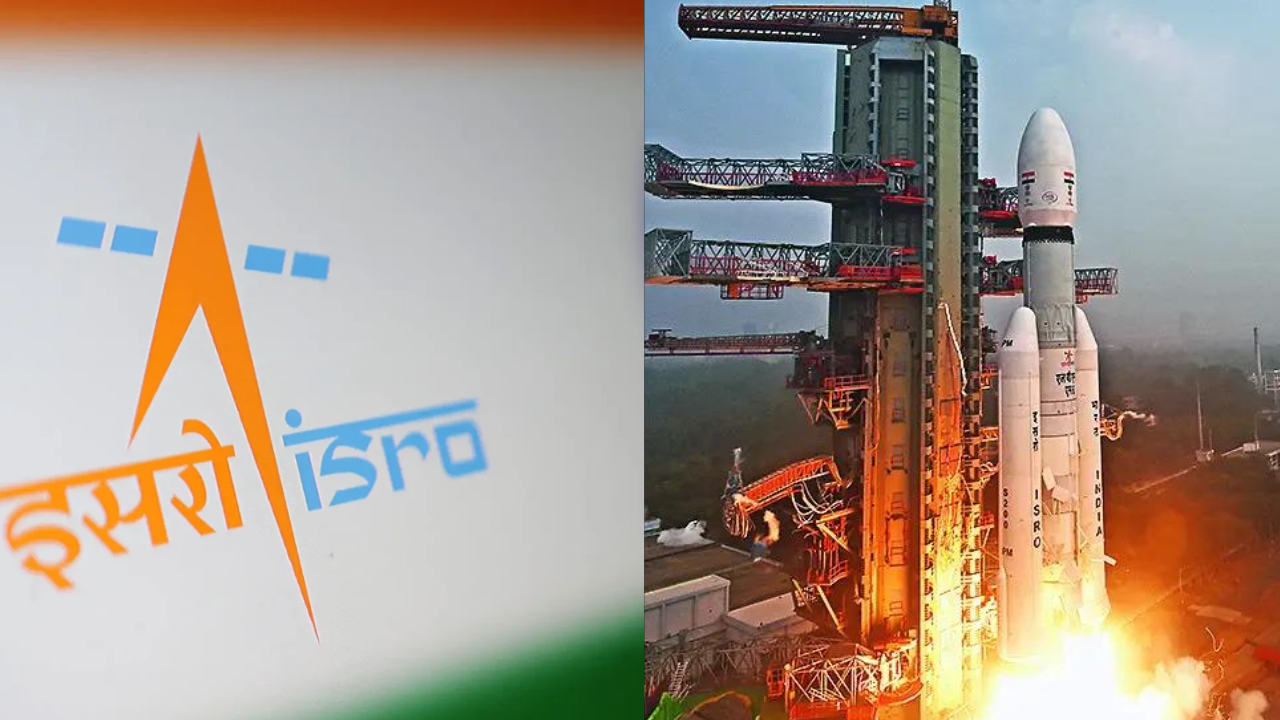
In a significant statement that signals a strategic shift, the Indian Space Research Organisation (ISRO) has announced that its next phase of growth will be defined by leading the national space ecosystem rather than merely executing individual missions. The declaration marks a departure from ISRO's traditional identity as a standalone space agency and underscores its evolving role as a catalyst for the country's expanding space sector.
The statement, which has been interpreted by experts as a clear policy direction, highlights ISRO's commitment to supporting a broader network of participants that is expected to include private companies, startups, universities, and research institutions. This move aligns with the Indian government's ongoing reform of the space sector, which was initiated to increase private participation and leverage India's capabilities for both commercial and strategic purposes.
For decades, ISRO has been synonymous with Indian space exploration, achieving global acclaim for remarkable feats such as the Mars Orbiter Mission (Mangalyaan), the Chandrayaan lunar missions, and the record-setting PSLV and GSLV rocket launches. However, the changing global space landscape, characterised by increased commercialisation and the rise of new spacefaring nations, has prompted a reassessment of ISRO's position.
According to space policy analysts, ISRO's future role will likely involve a mix of functions: conducting advanced research and development, providing technical support and infrastructure to private players, establishing regulatory and facilitative frameworks under policies like the Indian Space Policy 2023, and focusing on ambitious interplanetary missions and human spaceflight programs such as Gaganyaan and a proposed space station. The shift is expected to enable private firms to build upon ISRO's expertise, creating a collaborative environment that is seen as essential for advancing India's technological leadership.
Officials have indicated that this 'next chapter' is not merely a slogan but a strategic reorientation that will affect ISRO's internal structures, project selection, and its interactions with the private sector. It is anticipated that ISRO will increasingly serve as a knowledge and technology partner, fostering innovation while retaining its core research orientation. The agency is also expected to place greater emphasis on education and skill development, ensuring the creation of a robust workforce capable of addressing future challenges in space science and application.
The statement also arrives at a time when countries and private corporations around the world are racing to leverage the economic potential of space—from satellite-based internet services to space tourism and asteroid mining. By positioning itself at the helm of a national ecosystem, ISRO aims to ensure India captures a fair share of these emerging opportunities. This includes enhancing domestic manufacturing capabilities for space-grade components and reducing reliance on foreign sources for critical technologies.
Observers note that the success of this vision will depend on how promptly and effectively the organisation translates its aspirational language into tangible action. Key priorities will include the development of a reusable launch vehicle, improving satellite communication and earth observation capabilities, and fostering regular industry interactions to streamline supply chains. There will also be a focus on creating stable and predictable policy environments that reassure investors and entrepreneurs entering the sector.
While the full scope of ISRO's new direction is yet to be detailed, the announcement is being viewed as a positive and forward-looking step. It reflects a mature understanding that in the modern era, space is no longer the exclusive domain of state agencies, but a shared frontier that thrives on collaborative effort.
As India's space ecosystem continues to expand, ISRO's role as the anchor institution remains vital. With its proven technological competence and a strategic vision that embraces innovation from all sides, the organisation appears well-positioned to guide the nation toward a new era of space achievements. The coming years will reveal whether this 'next chapter' succeeds in creating an ecosystem that is not only nationally robust but also globally competitive.