India's Defence Council to Weigh Rs 1 Lakh Crore Proposals for Military Modernisation
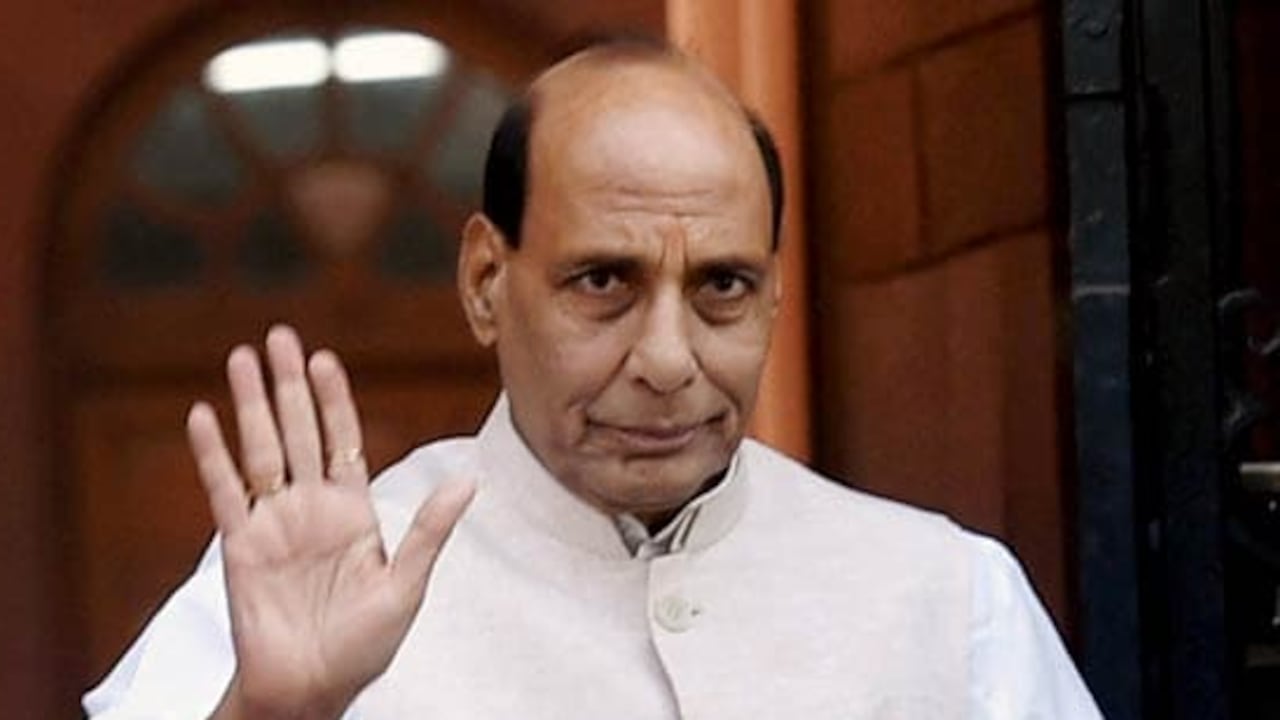
The Defence Acquisition Council (DAC), the highest decision-making body on defence procurement in the Ministry of Defence, is scheduled to meet on Friday, July 3, to consider proposals worth over Rs 1 lakh crore. According to ministry sources, this is expected to be one of the most significant DAC meetings in recent times.
Chaired by Defence Minister Rajnath Singh, the DAC is likely to grant Acceptance of Necessity (AoN) to several high-value acquisition proposals aimed at strengthening the operational capabilities of the Indian armed forces. If approved, these proposals would mark a major step in India's military modernisation programme and the government's push for self-reliance in defence manufacturing.
A significant portion of the proposals relates to the Indian Army, which continues to modernise amid evolving security challenges along India's borders. Among the major proposals is the procurement of additional K-9 Vajra self-propelled artillery guns. These 155 mm tracked howitzers, already in service, have demonstrated operational utility in both high-altitude and desert environments. The DAC is also expected to consider proposals for kamikaze (loitering) munitions, which have become increasingly important in modern warfare due to their precision strike capability. Other proposals include Verba Man-Portable Air Defence Systems (MANPADS), additional air defence guns, and Active Protection Systems (APS) for tanks and armoured fighting vehicles. APS are designed to protect armoured platforms against anti-tank guided missiles and rocket attacks.
For the Indian Navy, which is upgrading to become a blue-water navy, proposals include next-generation heavyweight torpedoes, unmanned surface vessels, and autonomous underwater vehicles to strengthen maritime surveillance, anti-submarine operations, and mine countermeasure capabilities. Advanced electronic warfare suites and sonar systems are also expected to be considered to improve underwater detection and surveillance.
For the Indian Air Force, proposals include long-range stand-off precision missiles, air-to-air refuelling aircraft, and advanced air defence radar systems aimed at enhancing operational reach and air defence capabilities.
An important feature of the proposed acquisitions is the emphasis on indigenous procurement. Ministry sources said that proposals have been sought from Bharat Electronics Limited (BEL) and Bharat Dynamics Limited (BDL), which are expected to supply several of the proposed missile systems, radars, electronic warfare equipment, and air defence systems. This aligns with the government's Atmanirbhar Bharat initiative, which aims to increase indigenous defence production and reduce dependence on imports.
Acceptance of Necessity is the first formal stage in the procurement process. It establishes the operational requirement and authorises the acquisition process to move forward. AoN does not amount to a contract award. Once granted, the proposal proceeds to subsequent stages, including issuance of Requests for Proposal, vendor evaluation, commercial negotiations, and eventual contract signing. The entire process can take several years.
The scale of the proposals before the DAC reflects the government's continued focus on strengthening military capabilities and accelerating defence modernisation.







