India's Climate Battle: Why Village Panchayats Must Be Central to Planning
According to data compiled by AQI.in, 97 Indian cities featured among the world’s top 100 hottest cities in May 2023. Banda in Bundelkhand, Balangir in Odisha, Sasaram in Bihar and Varanasi in Uttar Pradesh all recorded temperatures hovering around 47–48°C. A few weeks earlier, the Union Cabinet approved India's revised Nationally Determined Contributions under the Paris Agreement, pledging to expand its carbon sink through forest and tree cover, increase non-fossil power capacity to 60 per cent, and reduce GDP emissions intensity by 47 per cent from 2005 levels by 2035. India has a strong record of meeting its climate commitments. Yet the institutions that deal most directly with water stress, changing rainfall patterns and livelihood disruptions — gram panchayats — remain at the margins of climate planning.
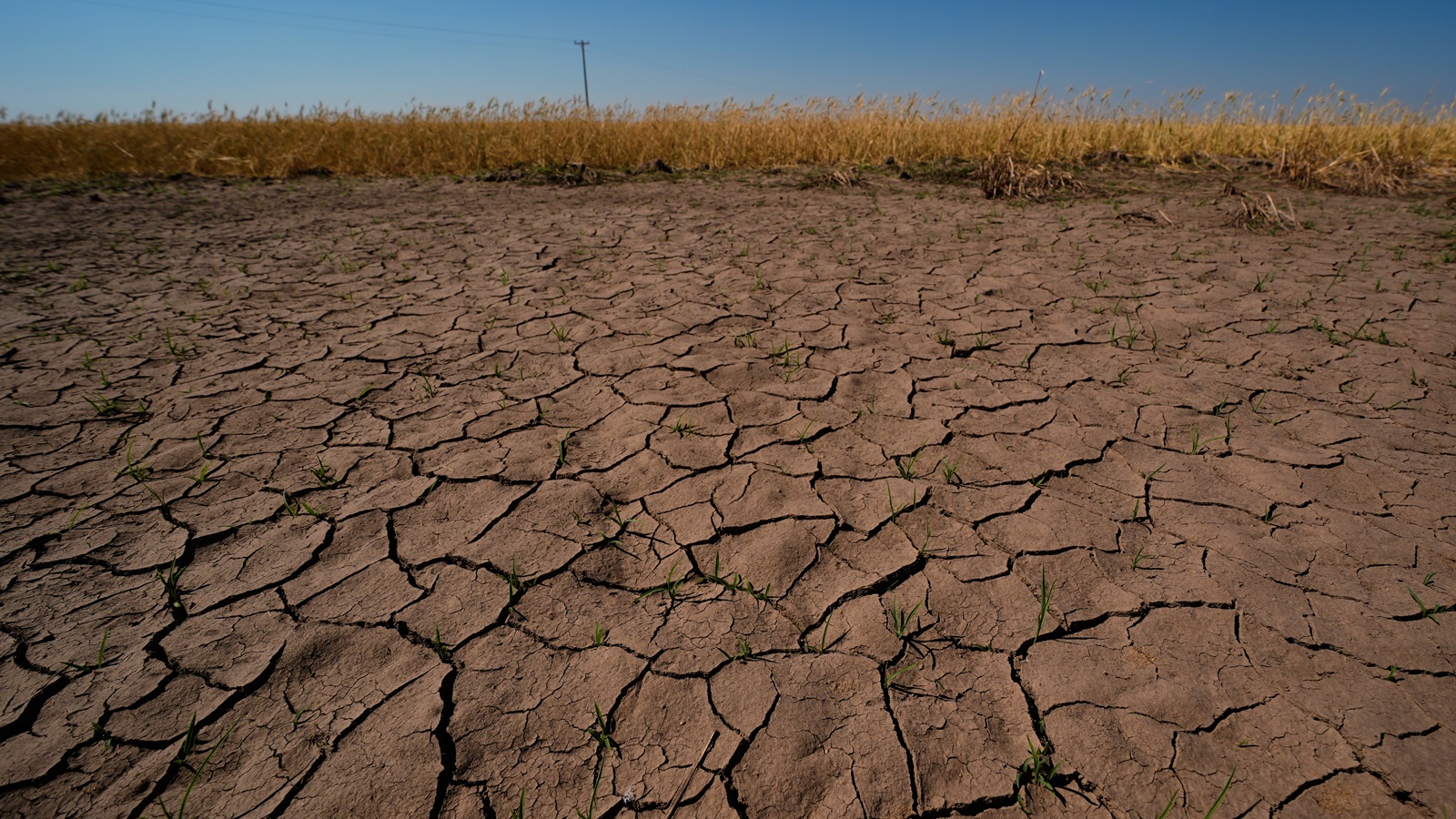
Across rural India, climate change is reshaping everyday life. Farmers who once planned their sowing around fairly predictable monsoons now find themselves guessing when the rains will arrive and whether they will last long enough to sustain a crop. In many places, wells run dry before summer ends, and households are changing what they grow and eat. This is particularly consequential when set against rural-to-urban migration that is reshaping India’s demographic geography.
Panchayats are the tier of government closest to the people, responsible for local development, water management, and disaster response. However, they are seldom consulted in national climate strategies or given the resources to implement adaptation measures. Experts say that without empowering these local bodies, India's climate goals will remain distant. For instance, panchayats can play a crucial role in promoting water conservation, sustainable agriculture, and renewable energy at the village level.
The government has launched schemes like the National Action Plan on Climate Change and state-level plans, but their implementation often bypasses panchayats. A more inclusive approach, where panchayats are given financial and technical support, could bridge the gap between national targets and local realities. As India faces the dual challenge of meeting its climate commitments and ensuring the well-being of its rural population, integrating panchayats into climate planning is not just advisable — it is essential.