Indian Passport Holders Abroad Can Use RTI as Citizens, OCI/PIO Cannot
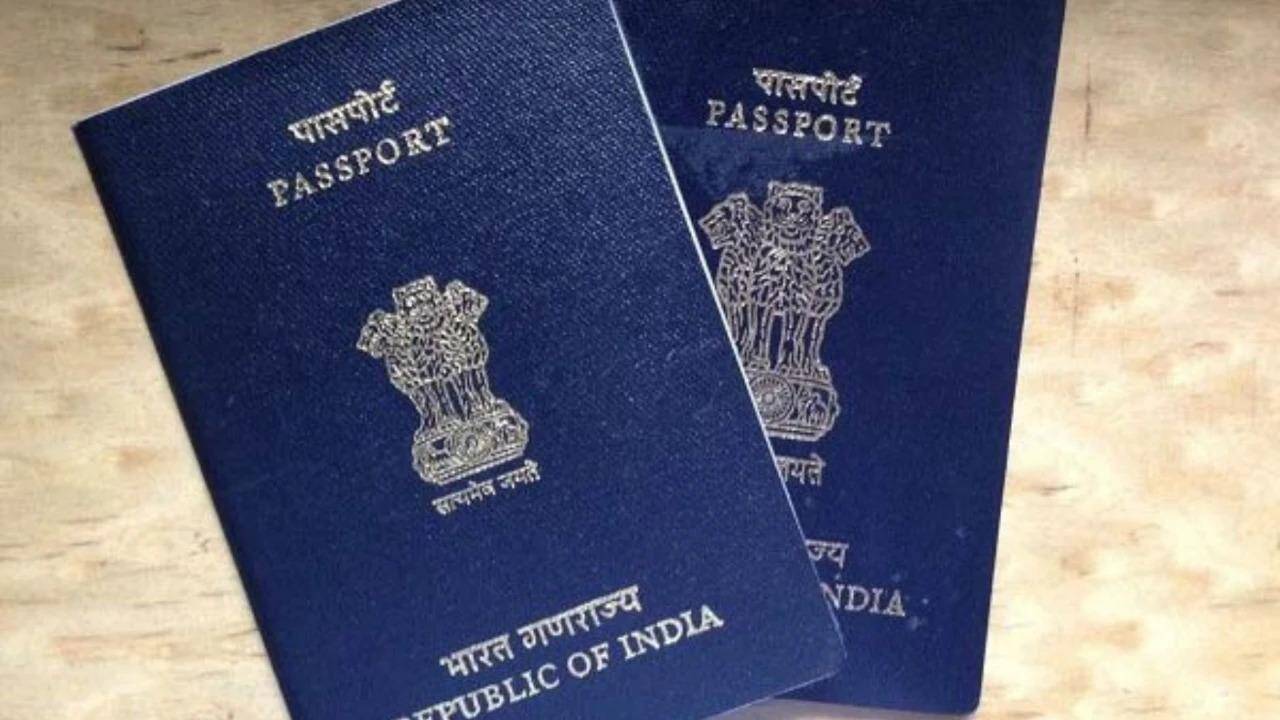
New Delhi: Records from interministerial discussions in 2010 reveal that the Ministry of External Affairs (MEA) and the Ministry of Home Affairs (MHA) agreed that Indian passport holders residing abroad are considered 'citizens' for the purpose of filing applications under the Right to Information (RTI) Act. This distinction separates Non-Resident Indians (NRIs) from Persons of Indian Origin (PIOs) and Overseas Citizens of India (OCIs), who are not eligible to use the RTI Act.
The deliberations were prompted by a representation from US-based NRIs to then Prime Minister Manmohan Singh, seeking recognition of their right to vote and participate in India's governance. The discussions focused on the definition of 'citizen' under the RTI Act. The documents show that MEA acknowledged attempts by some RTI applicants to include OCIs within this definition, but both MEA and MHA maintained that only holders of Indian passports living abroad—i.e., NRIs—are covered.
The issue arose when Indian RTI activists based abroad faced difficulties filing applications. They approached the Central Information Commission (CIC), which held meetings to streamline the process. During a CIC hearing, MEA stated that the term 'citizen' includes persons holding Indian passports working or living abroad, meaning NRIs only, and excludes OCIs and PIOs. MHA, as the nodal ministry for citizenship matters, endorsed this view. The Department of Personnel and Training (DoPT) and the Ministry of Overseas Indian Affairs (MOIA) also concurred, recommending that the matter be referred to MHA for final clarity.
This decision clarifies the legal standing of different categories of Indians abroad under the RTI Act. While NRIs have full access to the law, OCIs and PIOs must seek information through other means. The ruling underscores the constitutional principle that the RTI Act applies to citizens, and passport holding is considered proof of citizenship for NRIs.







