Parliament to table inquiry report on former HC judge Yashwant Varma
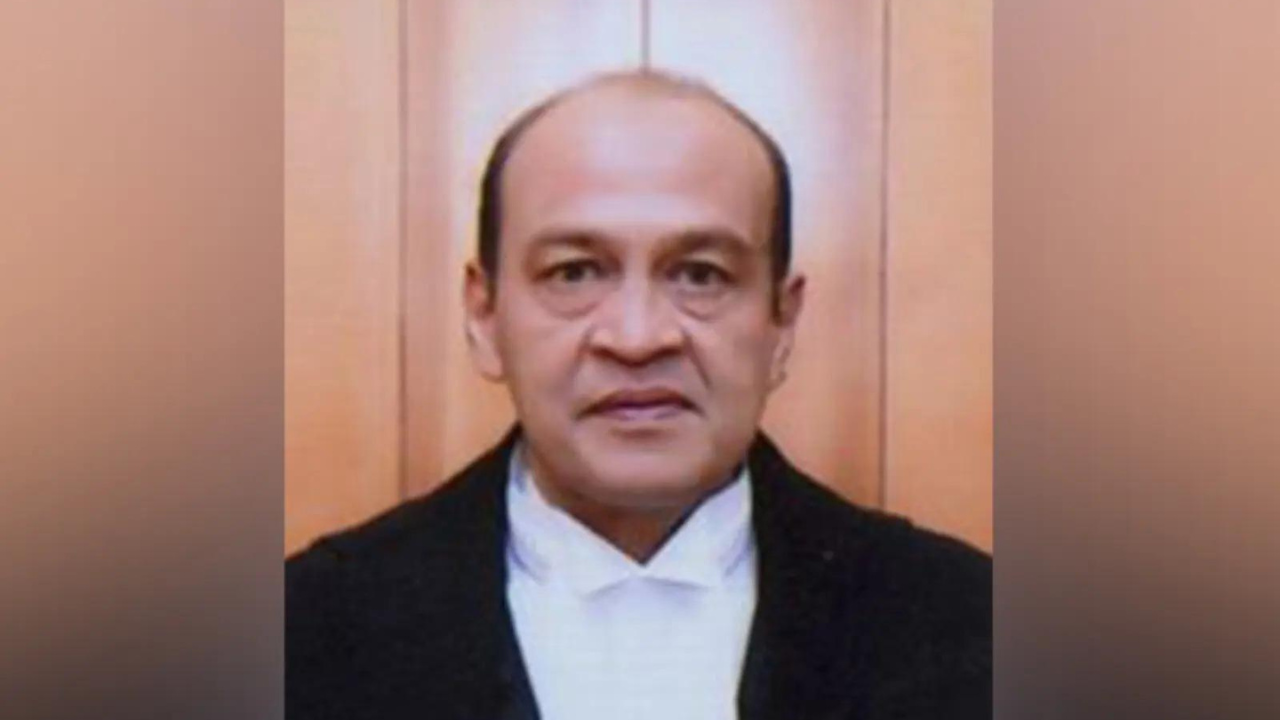
NEW DELHI: The Lok Sabha is set to receive the report of the inquiry committee that investigated allegations of financial irregularities against former Allahabad High Court judge Yashwant Varma. According to the Lok Sabha's list of business for Wednesday, Secretary General Utpal Singh will table the two-volume report, along with oral and documentary evidence recorded during the inquiry.
The committee was constituted under the Judges (Inquiry) Act after a motion was accepted by the Lok Sabha Speaker. The motion was supported by members from different political parties. The inquiry followed an in-house probe ordered by the then Chief Justice of India, which had indicted Justice Varma.
The proceedings against Justice Varma began after a large amount of unaccounted, partially burnt cash was found at the outhouse of his official residence during a fire incident in March 2025. The discovery led to public concern over the integrity of the judiciary. Justice Varma denied any knowledge of the source of the money and rejected allegations of financial impropriety.
However, Justice Varma resigned from his position while the inquiry was still underway. This development raises a legal question about whether the Judges (Inquiry) Act can be applied to a judge who has already resigned. Legal experts have noted that the Act specifically provides a mechanism for addressing allegations against serving judges, and its applicability to a former judge remains a matter of interpretation.
The tabling of the report in Parliament is a procedural step. It remains to be seen whether the legislature will act on the committee's findings, given the resignation. The report itself will be available to Members of Parliament for review, and the evidence collected during the inquiry will form part of the official record.
This case has drawn attention to the processes available for addressing allegations of misconduct against members of the higher judiciary. The Judges (Inquiry) Act provides a structured framework for investigation and potential removal, but the circumstances of this case present a unique situation due to the resignation.
The development is being closely watched by legal observers and the public, as it touches upon issues of accountability and transparency in the judiciary. The tabling of the report allows Parliament to formally consider the findings, though the next steps will depend on legal advice and the rules of procedure.
For now, the focus remains on the contents of the report and the implications for the broader system of judicial oversight. The matter also highlights the importance of due process and the need to handle such allegations with care, ensuring that the rights of all individuals involved are respected.
As the Lok Sabha takes up the report, the legal community and the public will be looking for clarity on how the Parliament intends to proceed, and what precedents this case may set for future inquiries into judicial conduct.







