India Turns to Costly Gas Power as Monsoon Deficit Threatens Grid Stability
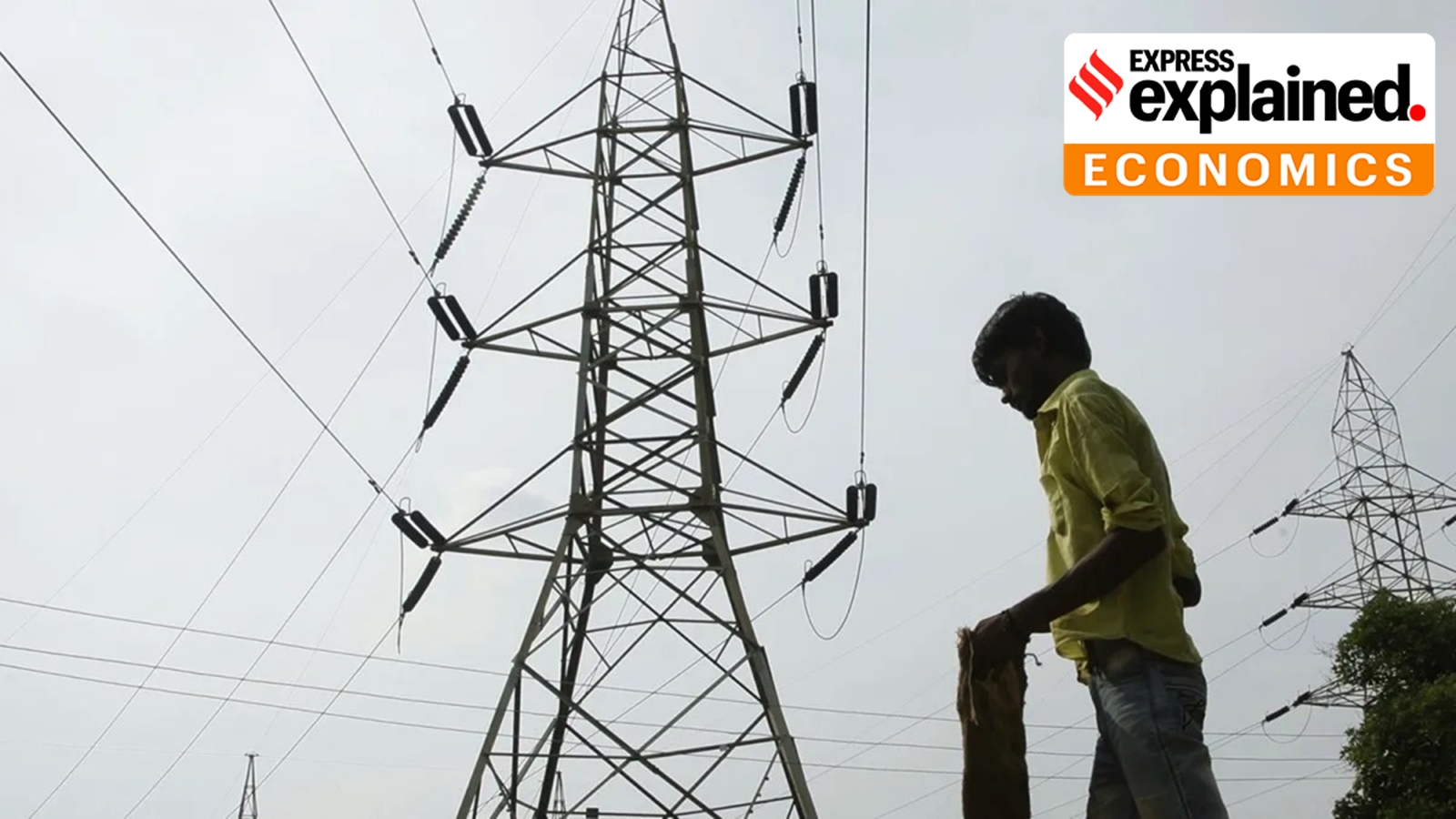
The Grid Controller of India (Grid India) has directed gas-based power stations to prepare for additional generation for 7–8 days in June, as below-normal monsoon rainfall threatens to strain the country's electricity supply. The advisory, issued on June 10, comes amid forecasts from the Indian Meteorological Department (IMD) indicating reduced precipitation during the June–September monsoon season.
Grid India's assessment, based on projected demand, planned and forced outages of generating units, hydro and renewable generation profiles, and current weather data, highlights the need for extra gas-fired capacity beyond the existing 2.6 gigawatts (GW) from isolated field stations. The advisory notes three key factors: historical data for the period, upcoming capacity and outages, and the variability of renewable energy generation.
While natural gas constitutes a small fraction of India's overall power mix, it is critical for balancing supply during evening peak hours, especially in pre-monsoon summer when solar output declines. Typically, around 10 GW of gas-fired capacity is deployed during peak summer. However, this year, the situation is complicated by the West Asia conflict, which has disrupted fuel supplies and prompted the government to prioritise gas allocation to certain sectors. According to officials, only about 5 GW of gas-based generation capacity is currently available.
Compounding the challenge, forecasts of below-normal rainfall have led hydroelectric power stations to conserve water in reservoirs, which serve both irrigation and electricity generation. 'Until the monsoon gains momentum in July, the priority is to preserve water levels. That is why the requirement for additional gas-based generation has become more important,' an official said.
This contrasts with last year, when hydroelectric power played a major role in meeting evening peak demand. With hydro generators conserving water, gas-based plants are expected to shoulder a larger balancing burden. The growing reliance on gas is evident in spot-market purchases of natural gas by power sector entities. Data from the Indian Gas Exchange (IGX) shows that between June 1 and June 23, power companies bought 13,92,500 million Metric Million British Thermal Units (MMBtu) of natural gas, compared to nil in the same period last year due to rain. Between April 1 and May 31, purchases surged 340.4% year-on-year to 45,07,850 MMBtu, despite a sharp increase in spot prices amid supply disruptions.
The shift underscores the delicate balance India must strike between energy security, climate goals, and economic stability as it navigates monsoon uncertainties and geopolitical risks.