NCAER study says Bihar's liquor ban not effective, suggests lifting it to raise funds
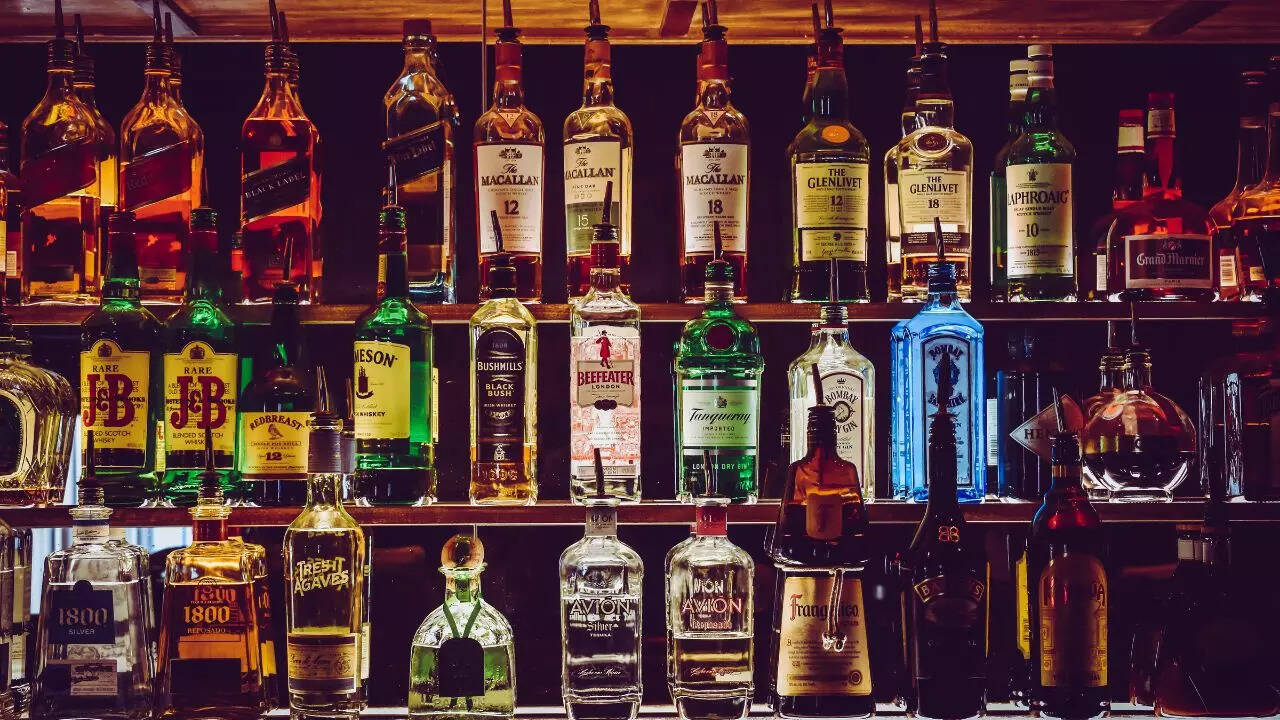
A new study by the National Council of Applied Economic Research (NCAER) has recommended that Bihar consider lifting its ban on alcohol to free up resources for development and infrastructure. The paper, prepared by a team of economists led by Ratna Sahay, argues that prohibition has not achieved the intended social outcomes and has instead led to an increase in illegal liquor consumption and associated enforcement costs.
According to the paper, which was presented at the India Policy Forum on Friday, the available evidence "doesn't indicate a broad-based reduction in crimes against women" after the ban took effect. It further states that "the prohibition regime has been accompanied by concerns regarding expansion of illicit liquor trade, increased enforcement challenges and corruption, and the growing use of alternative intoxicants, including illicit drugs." The authors highlight a significant rise in illegal liquor trade and note that the policy has placed a heavy burden on law enforcement agencies.
The economists estimate that ending prohibition could augment Bihar's tax revenue by 14 to 15 per cent, while simultaneously reducing expenditure on enforcement. These additional funds, they argue, could be used for capital spending and development initiatives. This, they suggest, could help the state address some of its most pressing challenges, such as poor educational and health outcomes, inadequate infrastructure, and recurring floods. The paper also calls for more central transfers to states to help meet flood-control activities.
Bihar's prohibition regime was introduced in 2016 by Chief Minister Nitish Kumar, who had campaigned on the promise of a liquor ban. The NCAER paper credits Kumar with restoring law and order and steering the state towards a path of development. However, it points out that Bihar still lags other states in revenue mobilisation and depends heavily on transfers from the central government.
The study identifies six priority areas that require immediate attention: gaps in education, gaps in health, governance and law and order, recurring floods and disasters, the missing private sector, and gender discrimination and violence. To address these, it recommends higher capital expenditure and lower subsidies, along with more efficient resource mobilisation. It also appeals for greater financial assistance from the Centre, stating that the state's own revenue capacity is limited.
Bihar's debt load is currently around 39 per cent of its gross state domestic product (GSDP), which is higher than in many comparable states. Only Punjab, at 47 per cent, and West Bengal, with a similar figure, have higher or comparable debt levels. The paper argues that in the absence of enhanced central support, Bihar would struggle to finance the reforms required to improve governance and public services. It notes that raising state revenues alone is insufficient, given the state's limited taxing capacity, and that additional transfers from the Centre would be needed, depending on the nature of the reform.
The proposal to lift prohibition is likely to be a contentious issue, given the political significance of the ban in Bihar. The paper, however, approaches the matter from a fiscal and administrative perspective, rather than a social or moral one. It does not suggest that alcohol consumption is desirable, but rather that the current policy may be causing more harm than benefit in terms of public health, crime, and state finances.
The NCAER's findings add to a growing body of research examining the impact of prohibition in Bihar. The state government has so far maintained its stance on the ban, but the paper's recommendations could influence future policy debates, especially if the state continues to face fiscal pressures and development challenges.