Govt clarifies UPI MDR plan: Nominal charges only for select merchants above Rs 2,000
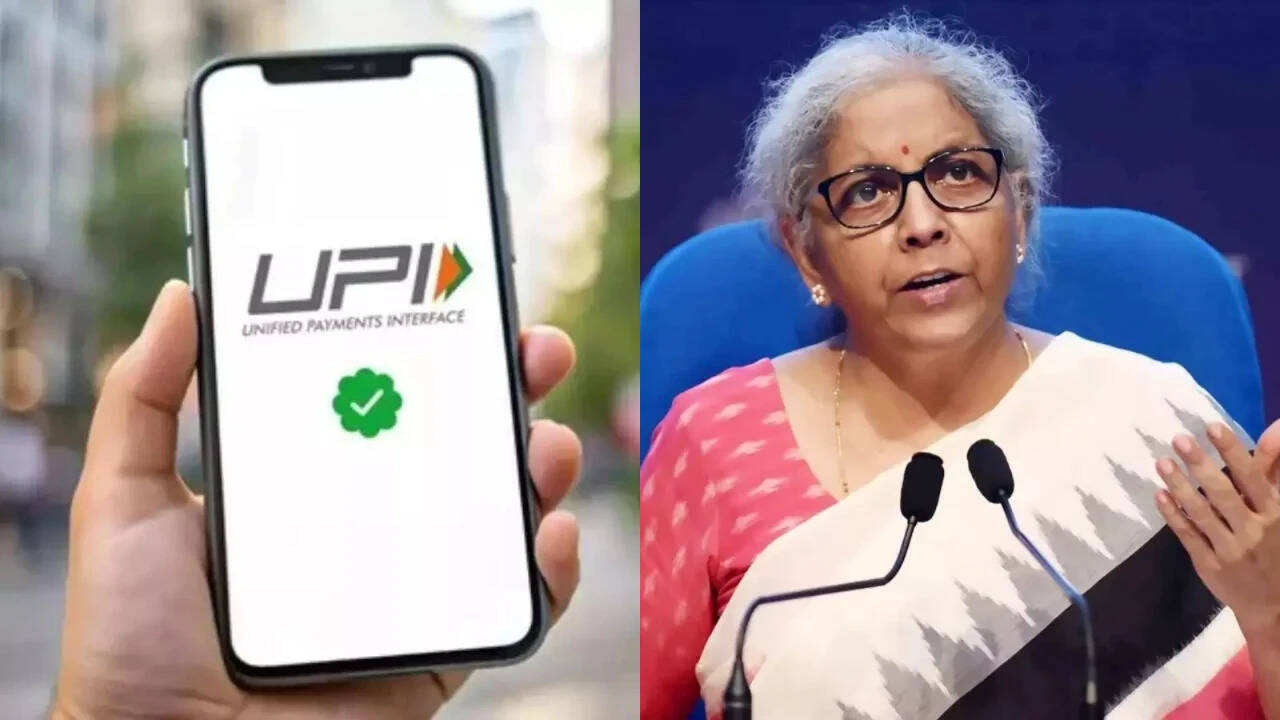
The government on Saturday sought to clarify that any proposed merchant discount rate (MDR) on UPI transactions would be nominal and applicable only to a limited set of merchants for transactions above a specified threshold. The statement comes amid reports suggesting that a fee could be levied on UPI payments, raising concerns among users and businesses.
In an official statement, the government said that all person-to-person transactions through UPI will continue to remain free, and consumers making payments will not be charged any fee. “A vast majority of the transactions will remain free of charge for merchants on UPI. MDR, if introduced, will only be threshold-based and not levied on a blanket basis to all,” the statement read.
The decision on whether to implement an MDR, and at what rate, will be taken by the UPI and Services Steering Committee, headed by the National Payments Corporation of India (NPCI). The committee will examine the matter and make recommendations, the government said.
Officials familiar with the discussions indicated that an MDR of 0.25% to 0.4% may be allowed for UPI transactions above Rs 2,000, provided they are not person-to-person payments. A ceiling on the charge is also being considered, they added.
The government also dismissed speculation that the proposed MDR was introduced under pressure from the United States, which has been seen as advancing the interests of global card networks like Visa and Mastercard. These companies levy MDR on credit and debit card transactions, typically ranging up to 2%, which is usually borne by merchants.
“If external pressure had been a factor, the government would not have introduced UPI in 2016 or made it free of charge for both merchants as well as citizens since Jan 2020 and ensured that it became the world's largest real-time interoperable payment system,” the statement said.
The finance ministry argued that the proposed amendment should be viewed in the context of the government's broader objective of ensuring that India's digital payment infrastructure remains sustainable, competitive, and capable of serving the country's rapidly expanding digital economy. The move is also intended to expand digital payment infrastructure into rural and semi-urban areas, where the cost of maintaining such services is often higher.
UPI, which was launched in 2016, has become the backbone of digital payments in India, processing billions of transactions each month. Keeping the system viable while ensuring affordability remains a key challenge for policymakers. The government's clarification aims to balance these concerns by limiting any potential charges to a small segment of transactions.
As the discussion on MDR continues, stakeholders in the digital payments ecosystem will be watching closely to see how the final guidelines take shape. The NPCI-led committee is expected to provide clarity in the coming weeks, taking into account the interests of merchants, consumers, and payment service providers.