India-Pakistan Nuclear Installations Pact: A Durable Confidence-Building Measure
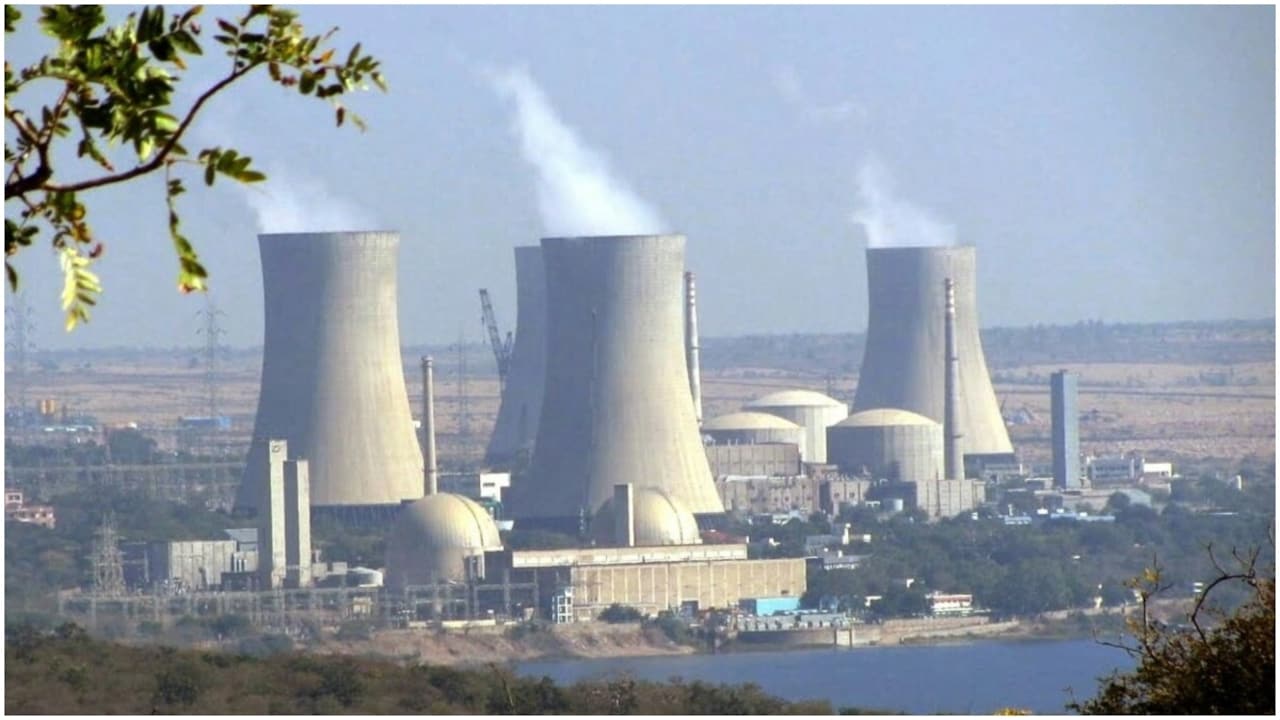
In an era where civilian nuclear facilities are increasingly drawn into conflict zones, the restraint shown by India and Pakistan stands out. Despite being hostile neighbours with a history of wars and no current diplomatic talks, neither country has targeted the other's nuclear installations during hostilities. This restraint is rooted in a formal bilateral agreement signed in 1988 and in force since 1991.
The global context is concerning. Rafael Grossi, Director General of the International Atomic Energy Agency (IAEA), recently stated that attacking nuclear installations should be a taboo. Yet, that taboo is under strain. Nuclear plants in Ukraine, Iran, and elsewhere have faced risks from military actions. The Zaporizhzhya nuclear power plant in Ukraine, for example, has been caught in the crossfire. Facilities in Iran, such as Natanz and Fordow, have been targeted. These incidents highlight a growing threat to civilian nuclear infrastructure.
Civilian nuclear facilities, designed for energy and research, now risk becoming nodes of confrontation. Any damage carries the risk of radiation release crossing borders. Grossi emphasised that the IAEA works on the ground to prevent accidents, deploying experts in sensitive areas. He also noted that international law indicates nuclear facilities should not be attacked, and this principle must be upheld.
Against this backdrop, the India-Pakistan agreement is notable. The two nations are not signatories to the Treaty on the Non-Proliferation of Nuclear Weapons (NPT). However, they are bound by the Agreement on the Prohibition of Attack Against Nuclear Installations and Facilities, signed on December 31, 1988, under Prime Ministers Rajiv Gandhi and Benazir Bhutto. The core commitment is clear: both sides will not undertake, encourage, or participate in any action aimed at damaging or destroying nuclear installations in the other country.
A key operational element is the annual exchange of lists of nuclear installations. Every year on January 1, India and Pakistan simultaneously exchange these lists through diplomatic channels in New Delhi and Islamabad. This practice began in 1992 and has continued without interruption. In 2026, the two countries completed the 35th consecutive exchange. These lists cover civilian nuclear facilities, including power reactors, research facilities, and fuel fabrication units. The clarity and consistency of this exchange have built trust over decades.
The agreement has held even during periods of sharp tension. In 2025, India and Pakistan engaged in a four-day military confrontation known as Operation Sindoor. Yet, neither side targeted the other's nuclear installations. This restraint demonstrates the value of formal agreements backed by transparent implementation. The annual list exchange serves as a confidence-building measure in a region where other diplomatic channels remain closed.
In summary, the India-Pakistan agreement on nuclear installations is a rare example of durable restraint between nuclear-armed adversaries. It provides a model for how international norms can be strengthened through bilateral commitments. As the global community grapples with threats to civilian nuclear facilities, the Indian subcontinent offers a lesson in the importance of clear rules and regular communication.