US Warns Citizens in Middle East to Prepare for Departure as Iran Tensions Rise
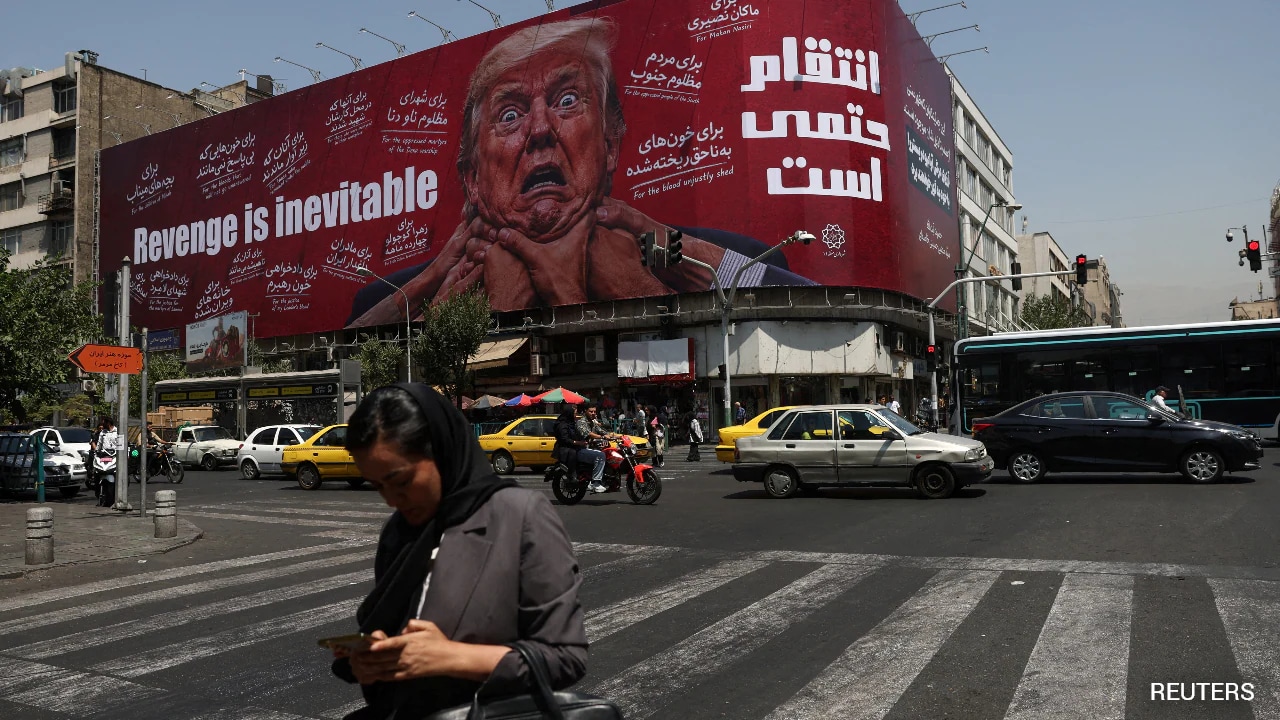
The United States has issued security advisories for its citizens across the Middle East, urging them to exercise caution and be prepared to leave the region amid fears of a wider conflict. The alerts came a day after President Donald Trump warned that Washington could launch fresh strikes on Iran, though he later said that the US and Israel had agreed to hold off on planned attacks at Tehran's request.
US embassies in Bahrain, Iraq, Israel, Jordan, Kuwait, Lebanon, Oman, Qatar, Saudi Arabia, and the United Arab Emirates posted online advisories on Saturday, warning Americans about the possibility of an "unforeseen escalation" in the region. The State Department and Consular Affairs urged Americans currently in the Middle East to remain vigilant and be prepared for flight cancellations, airspace closures, and other travel disruptions.
"Americans currently in the Middle East should exercise caution and heightened vigilance and should be prepared for flight cancellations, periodic airspace closures, and potential travel disruptions," the department said on social media platform X. It noted that several airlines had postponed plans to resume normal schedules, while others had cancelled routes altogether. Americans in the region were advised to consider leaving or be ready to do so if the situation deteriorates further.
The advisory also recommended that Americans outside the Middle East reconsider any plans to travel to or through the region. Those who decide to travel were urged to closely monitor updates from airports and airlines. The US authorities further warned that American diplomatic facilities have been targeted in the past and that Iran or Iran-aligned groups could target US interests abroad, including businesses and institutions associated with the United States.
Country-specific warnings were also issued. Americans in Jordan were advised to avoid military bases that have recently come under Iranian missile attack, while those in Israel were encouraged to identify the nearest bomb shelter. The US Embassy in Jerusalem described the situation as volatile and called Iran unpredictable, citing recent strikes on areas not previously targeted, including Egypt. The US Embassy in Beirut said it remains on "ordered departure" status, a designation that allows family members of embassy staff to leave the country at government expense.
The advisories come amid heightened tensions between Washington and Tehran. Speaking during a Cabinet meeting at Camp David on Friday, Trump had said that US negotiators, including his son-in-law Jared Kushner, special envoy Steve Witkoff, and Secretary of State Marco Rubio, were still trying to secure an agreement with Iran. However, he expressed frustration with Tehran, saying, "We will be hitting them very hard... and at some point, they will say we just can't take it anymore." He added that he was losing faith in Iran because it "breaks its word" and "lies and misinterprets."
However, on Saturday, Trump said on his Truth Social platform that the US and Israel had agreed to hold off on planned strikes on Iran at the request of Tehran and other countries in the region. He claimed that Middle East allies had reached the parameters of a deal to end the war, including the "immediate, complete, and total opening" of the Strait of Hormuz, the world's most vital energy conduit, which has mostly been closed by Iran since the conflict began on February 28.
The situation remains fluid, and the US advisories reflect the uncertainty facing American citizens and travellers in the region. The State Department's guidance is precautionary, urging vigilance rather than immediate evacuation, but it underscores the risks of a potential escalation. As negotiations continue, both Washington and Tehran have signalled a willingness to consider diplomatic solutions, yet the threat of further military action remains a concern for regional stability.