India Dismisses Pakistan's 'Youm-e-Istehsal' Day as Propaganda
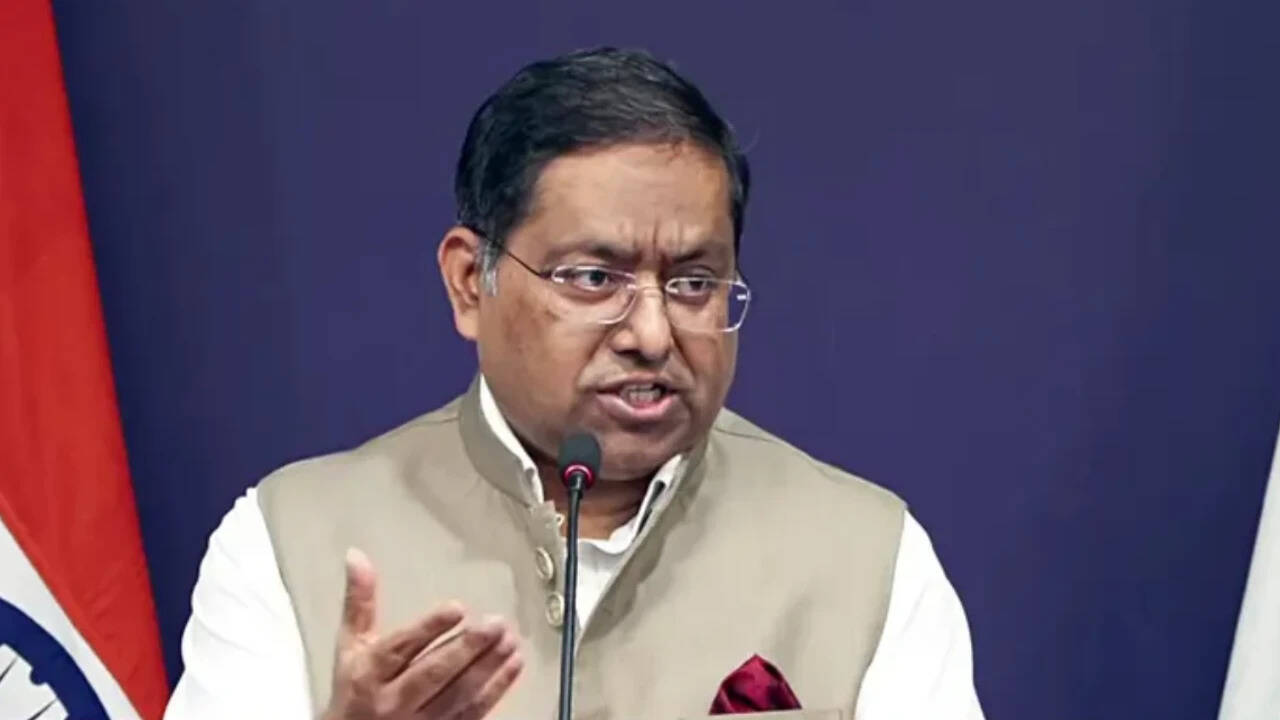
The Indian government has strongly rejected Pakistan's observance of Youm-e-Istehsal, calling it a malicious propaganda campaign aimed at diverting attention from its own internal problems. In an official statement, India asserted that the constitutional changes in Jammu and Kashmir are a matter of domestic sovereignty and that the international community is increasingly aware of human rights abuses in Pakistan-administered territories.
Youm-e-Istehsal, or the Day of Exploitation, is observed by Pakistan to highlight what it claims are alleged human rights violations in Indian-administered Kashmir. The day was first marked in 2023 by Pakistan's then-government to commemorate the annulment of Article 370 in August 2019, which revoked the special status of Jammu and Kashmir and bifurcated it into two union territories. Pakistan maintains that this move was unilateral and illegal under international law, a claim India rejects outright.
India's response, delivered through its Ministry of External Affairs, reiterated that the decision to alter the constitutional status of Jammu and Kashmir was debated and passed by the Indian Parliament, reflecting the will of the Indian people. The government stressed that matters concerning the region are purely internal for India to resolve, and no external narrative can undermine its legal and constitutional position.
The statement further called on Pakistan to focus on its own record, pointing to the ongoing bloodshed in regions bordering Afghanistan and the treatment of minority communities in Pakistan-administered Kashmir. India also repeated its long-standing demand for Pakistan to vacate the territories it claims are illegally occupied by Islamabad, including areas such as Gilgit-Baltistan, which India considers part of Jammu and Kashmir.
This exchange comes amid already tense bilateral relations between the two nuclear-armed neighbours. While diplomatic channels remain largely dormant, both nations have continued to trade accusations on international platforms. Pakistan, for its part, has consistently raised the Kashmir issue at the United Nations and other forums, while India has countered by highlighting Pakistan's alleged sponsorship of cross-border terrorism.
Experts suggest that such rhetorical confrontations are unlikely to lead to any immediate policy shift but serve to consolidate domestic political narratives in both countries. For India, the government's firm stance resonates with its electorate, while Pakistan's observance of Youm-e-Istehsal is seen as an attempt to internationalise the Kashmir issue.
The international community, meanwhile, has often urged restraint and dialogue between the two nations. However, with no apparent thaw in relations, the pattern of mutual recrimination appears set to continue. India's latest rebuttal underscores its commitment to what it terms as its sovereign rights, while dismissing any external interference in its internal affairs.