Indian seafarer killed as vessel hit near Oman; toll of Indians in West Asia conflict rises to 23
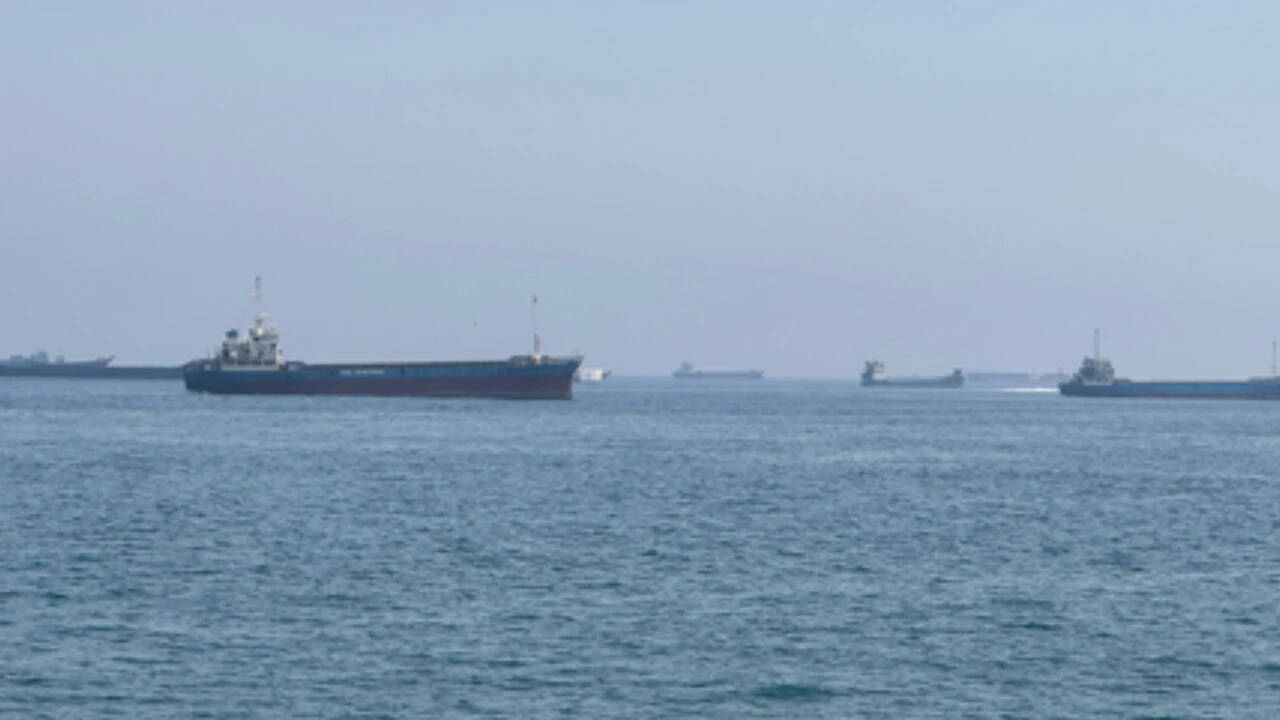
New Delhi: An Indian seafarer has died after a commercial vessel was struck by an unidentified aerial object near the coast of Oman, taking the number of Indian nationals killed in the ongoing conflict in West Asia to 23.
The seafarer was identified as Gandhar Nahim Ajij, a resident of Gujarat. He was one of 14 Indian crew members on board MSV AL JUSUFI, which was navigating near Limah in Oman when the vessel was hit.
Shipping Minister Sarbananda Sonowal said in a post on X that the vessel was struck on November 2. Thirteen of the crew members evacuated safely and were rescued by the Omani Coast Guard, he said, adding that he was deeply saddened that one seafarer had succumbed to his injuries. The minister conveyed his condolences to the family of the deceased.
The Ministry of External Affairs (MEA) condemned the attack. In a statement, it said the continuing attacks on commercial shipping in the region were deeply concerning, and reiterated India's call for an immediate de-escalation of tensions and the conclusion of the ongoing negotiations for a diplomatic solution so that peace and stability can return to the region.
"The targeting of commercial shipping and civilian infrastructure in the region must end, and free and unimpeded navigation and commerce through the international waterways in the region, in keeping with international law, must be restored at the earliest," the MEA said.
According to official figures, 15 of the 23 Indians killed in the conflict so far were seafarers, a reflection of how closely India's merchant marine is tied to the shipping lanes of the Persian Gulf and the adjoining waters. Thousands of Indian nationals work on board vessels operating in the region.
Responding to a separate question on the Russia-Ukraine conflict, the MEA said five Indians had been killed so far in attacks in the Black Sea region.
Officials said 4,330 Indian sailors have been brought back safely from the conflict-hit Persian Gulf. At present, eight Indian-flagged ships are in the Persian Gulf, of which six are operating in the region.
"Two foreign-flagged ships carrying fertilisers are waiting to transit through the Strait of Hormuz," an official said. The strait is one of the world's most important channels for the movement of oil, gas and other cargo, and any disruption there affects shipping schedules and trade well beyond the region.
The latest death underlines the continuing risks faced by crews on commercial vessels in West Asia, where shipping has repeatedly come under attack in recent months. India has consistently maintained that civilian shipping and infrastructure must not be targeted, and that the safety of seafarers of all nationalities must be protected.
New Delhi has also pressed for diplomatic channels to be given a chance, urging that negotiations aimed at lowering tensions be concluded at the earliest so that normal trade and navigation through international waterways can resume.
The government has not attributed responsibility for the strike on MSV AL JUSUFI, and details of the object that hit the vessel remain under investigation.