Democrats Seize US Congress: What It Means for India's Trade, H-1B Visas and Defence
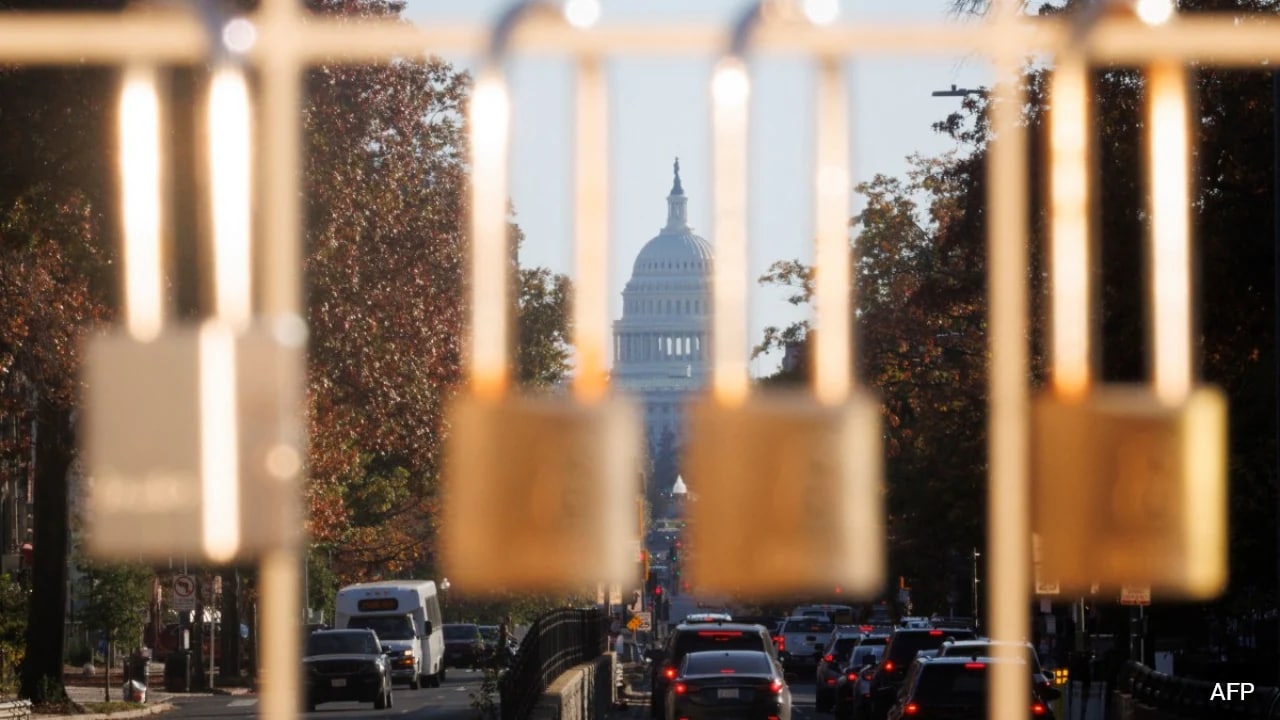
Democrats have won control of both chambers of the United States Congress, picking up five Senate seats and more than half a dozen House districts in the 2026 midterm elections, according to results reported so far.
The outcome is being widely read as a verdict on President Donald Trump's second term. Voters cited discontent over living costs, tariffs and the US war against Iran — which has driven fuel prices sharply higher — as factors that weighed on Republican candidates. The President's approval ratings remain near record lows, and he had urged voters to treat the contest as a referendum on himself.
According to The AP Voter Poll, most voters hold the administration responsible for high costs and want Congress to impose greater checks on the presidency.
What a Democratic Congress means
Control of both chambers gives Democrats stronger leverage over legislation, congressional investigations and federal funding. It does not, however, hand them US foreign policy. The President retains broad executive powers, including the veto, and much of America's diplomatic and security agenda stays in the hands of the administration.
Democratic majorities are expected to generate more debate and legislative activity on tariffs, healthcare, the cost of living and curbs on presidential war powers. Whether any of it becomes law would depend on the final size of the margins, Senate procedure and how the President responds.
Why it matters for India
Decisions taken by Congress and the US government directly affect Indian exports, the fortunes of Indian professionals working in America and bilateral defence cooperation.
Trade and tariffs
The US is a major market for Indian goods, so any shift in American tariff policy is felt immediately by exporters. In February, the two countries announced a framework for an interim trade agreement under which the US said it would levy an 18 per cent reciprocal tariff on Indian-origin goods. Since then, the US Supreme Court has struck down the President's use of emergency powers to impose tariffs on trading partners worldwide, bringing tariffs down to a baseline of 10 per cent.
A full India-US trade agreement still appears distant, although Secretary of State Marco Rubio said earlier this month that a deal is close to finalisation.
H-1B visas and immigration
The results could also affect Indian professionals in the US, particularly H-1B visa holders. A change in control of Congress can shape future immigration legislation and oversight, but it does not by itself alter visa rules.
A Democratic majority could mean closer congressional scrutiny of immigration policy and could stall some Republican-backed proposals. It would not automatically overturn presidential proclamations, including the $100,000 fee for new H-1B applications announced last September.
Support for India in Congress
Democratic control of both chambers would increase the party's leverage, but foreign policy remains constrained by the veto, the Senate filibuster and shared political responsibility for the economy. US Treasury Secretary Scott Bessent said last week that even with a Democratic House, there would be "very little" the party could do to block the President's agenda.
For New Delhi, the practical effect is likely to be incremental: more congressional hearings, more legislative proposals and closer scrutiny, with the timing and scale of any change depending on how the new balance of power settles in Washington.