Trump Says No Immediate Plan to Strike Iran, Claims US Is 'Getting Everything We Want'

The United States has no immediate plans to carry out military strikes on Iran, President Donald Trump has said, in remarks that suggest Washington is comfortable with the current state of its long stand-off with Tehran.
In a six-minute telephone interview with the Financial Times, Mr. Trump indicated he was satisfied with the direction the confrontation was taking. “We seem to be getting everything we want,” he was quoted as saying.
The interview was brief. As published, it did not spell out which specific American objectives the President was referring to, nor did it announce any formal change in military posture, diplomacy or timetable. No further official elaboration accompanied the remarks.
The exchange nevertheless drew attention because it touches on the central question of American policy towards Iran: whether Washington intends to keep applying economic and military pressure without seeking a new confrontation, or whether force remains an active option.
Tensions between the two countries have deep roots. The United States and Iran have had no formal diplomatic relations since 1980, following the Islamic Revolution and the hostage crisis at the American embassy in Tehran. Their rivalry has since played out through sanctions, regional conflicts and periodic episodes of direct military friction.
The nuclear file has been the sharpest point of dispute. In 2018, Mr. Trump withdrew the United States from the 2015 Joint Comprehensive Plan of Action, the agreement under which Iran had accepted limits on its uranium enrichment in return for relief from sanctions. Washington reimposed sweeping sanctions under a “maximum pressure” campaign, and Iran responded by progressively expanding enrichment beyond the levels set by the deal.
Tehran has consistently maintained that its nuclear programme is for peaceful purposes and denies seeking a nuclear weapon, a position its officials have repeated even as international inspectors have reported difficulties in monitoring parts of the programme.
The two countries have also come close to open conflict. In January 2020, the United States killed Iranian general Qasem Soleimani in a drone strike in Baghdad, and Iran retaliated days later by firing ballistic missiles at an Iraqi air base housing American troops. In June 2025, American aircraft struck Iranian nuclear sites during a 12-day war between Israel and Iran, and Tehran responded with missile fire on a United States base in the Gulf. Each round stopped short of an all-out war, but each left the region on edge.
Beyond the nuclear question, Washington and its regional partners have raised concerns about Iran's ballistic missile programme and its support for armed groups across West Asia. Iran, in turn, points to the American military presence around its borders and to sanctions it says have damaged its economy and hurt ordinary citizens.
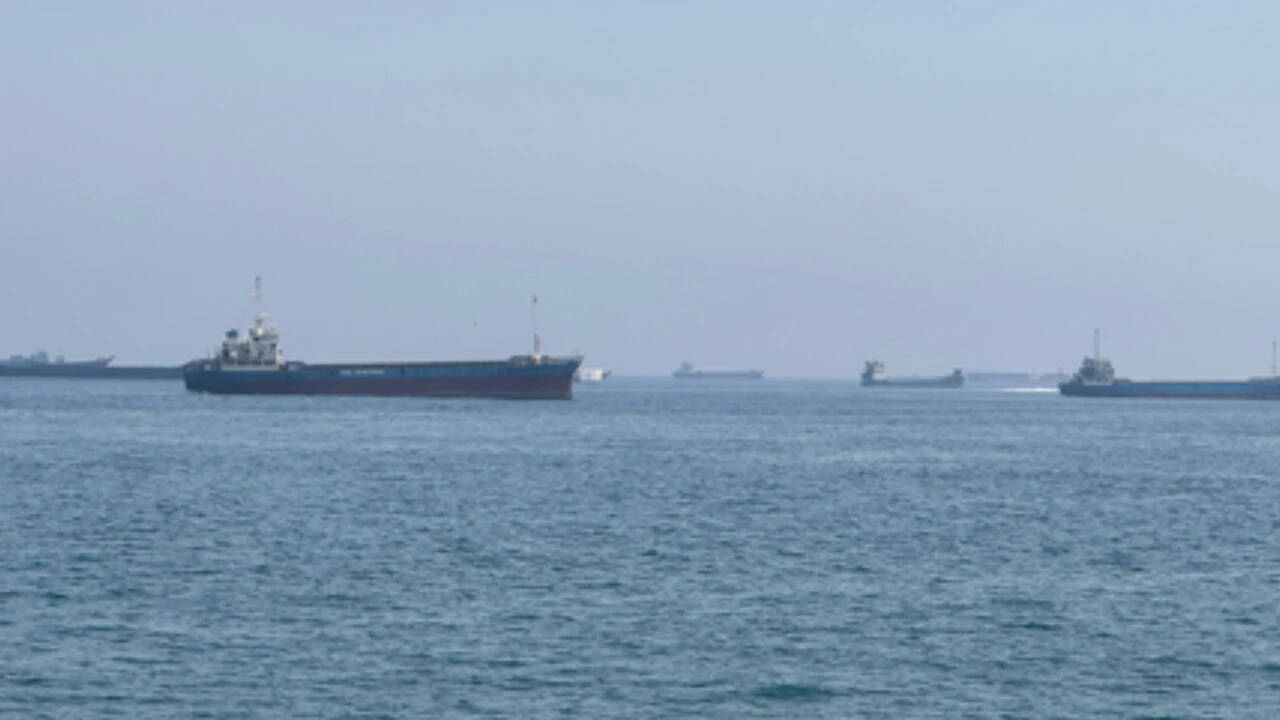
The stand-off carries consequences well beyond the region. Any escalation threatens shipping through the Strait of Hormuz, a route for a substantial share of global oil and gas trade, and would affect energy prices worldwide, including in import-dependent economies such as India's.
Within the United States, any decision to use force against Iran would raise questions about congressional authorisation and the President's war powers under the Constitution, matters that have been contested in previous administrations of both parties.
For now, the President's remarks indicate that no strike is imminent. What they do not settle is the wider trajectory: whether pressure is meant to force a new negotiating framework, to hold the line, or to prepare for something else. Mr. Trump's words suggest satisfaction with the present situation. How long that position holds may depend on developments in Iran's nuclear programme and on whether either side tests the current understanding.