India Bans Imports of Forced Labour Goods Amid US Tariff Pressure
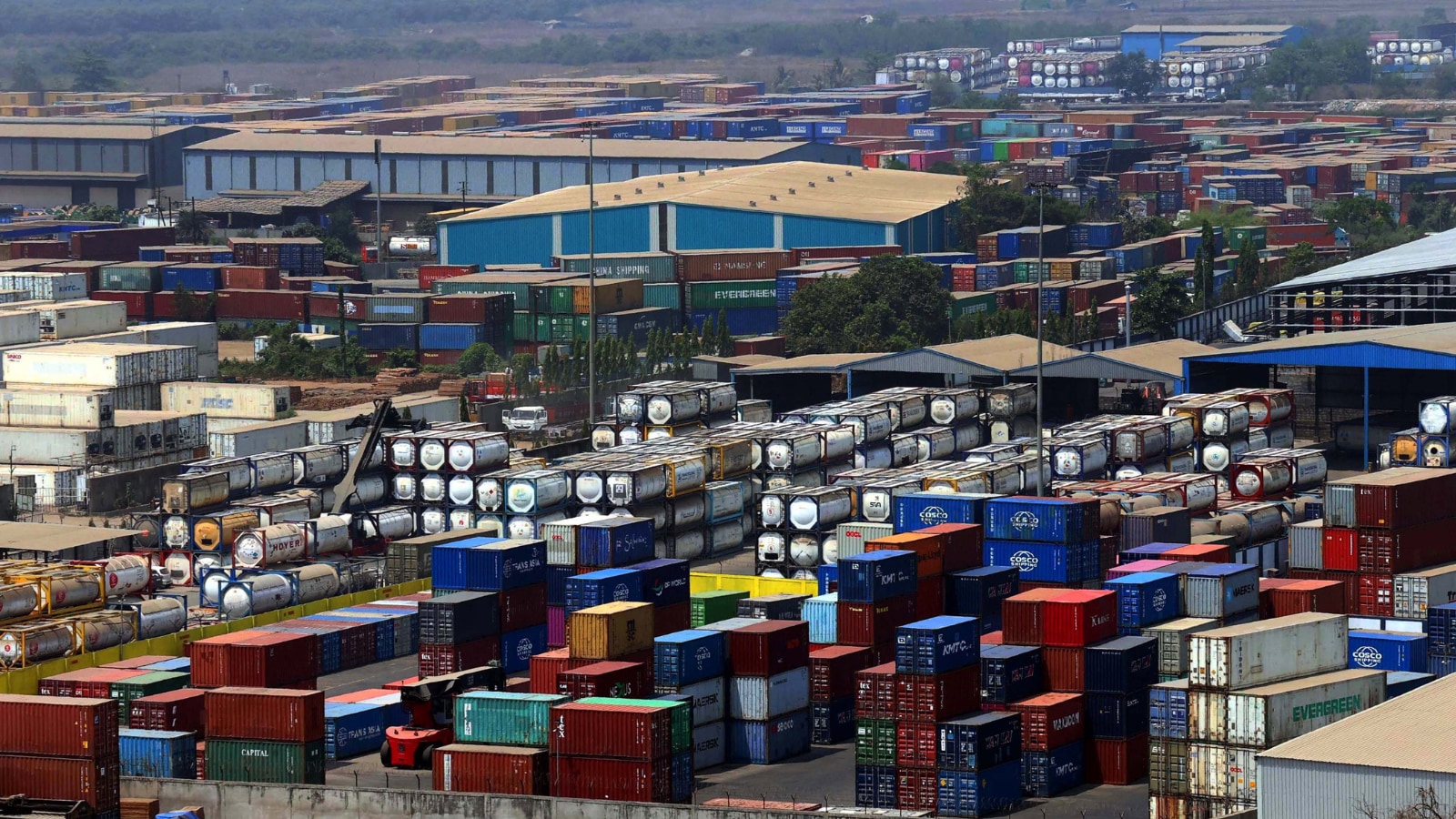
The Ministry of Commerce and Industry has prohibited the import of goods manufactured using forced labour, weeks after the United States Trade Representative (USTR) proposed 12.5 per cent tariffs on India linked to the issue.
The Directorate General of Foreign Trade (DGFT), in an order dated July 13, inserted a new paragraph in the Foreign Trade Policy (FTP) explicitly banning the import of goods produced wholly or partly through forced labour. The notification states that the Central Government may, from time to time, specify goods whose import shall be prohibited based on findings of an enquiry or other material it considers appropriate. The provisions come into effect 30 days after publication in the Official Gazette.
The US had launched two Section 301 probes on India in March, with the first investigation concluding that India failed to effectively enforce a forced labour import prohibition. The second probe, related to excess capacity, is pending. The proposed US tariffs of 12.5 per cent have been challenged by India, which has sought a review citing inconsistencies.
A senior government official, speaking on condition of anonymity, said the notification makes explicit what was implicit in existing regulations. The use of the term 'suo motu' indicates that India can act without a complaint, which may have implications in ongoing trade deal negotiations with the US.
Joint Secretary in the Department of Commerce, Brij Mohan Mishra, during a public hearing last week, reiterated India's commitment to eliminating forced labour as a constitutional obligation and under international law. According to international standards, forced labour is defined as work or service exacted under threat of penalty and not offered voluntarily.
Experts see the move as a significant policy shift. Manoj Mishra, Partner at Grant Thornton Bharat, noted that while India previously relied on labour and criminal laws, the FTP now incorporates a dedicated trade measure aligned with ILO standards. He added that the practical impact depends on the enquiry mechanism and implementation framework yet to be prescribed.
Agneshwar Sen, Trade Policy Leader at EY India, described the move as pragmatic trade diplomacy. The 30-day delayed commencement and DGFT-administered enquiry process give India flexibility to calibrate scope and pace, potentially creating a WTO-consistent, rules-based instrument for future trade agreements.
Ajay Srivastava, former trade officer and head of think tank GTRI, said the order establishes a legal framework rather than an immediate ban, taking effect in 30 days.







