India and Taliban Administration Agree to Extend Agricultural Cooperation Beyond 2026
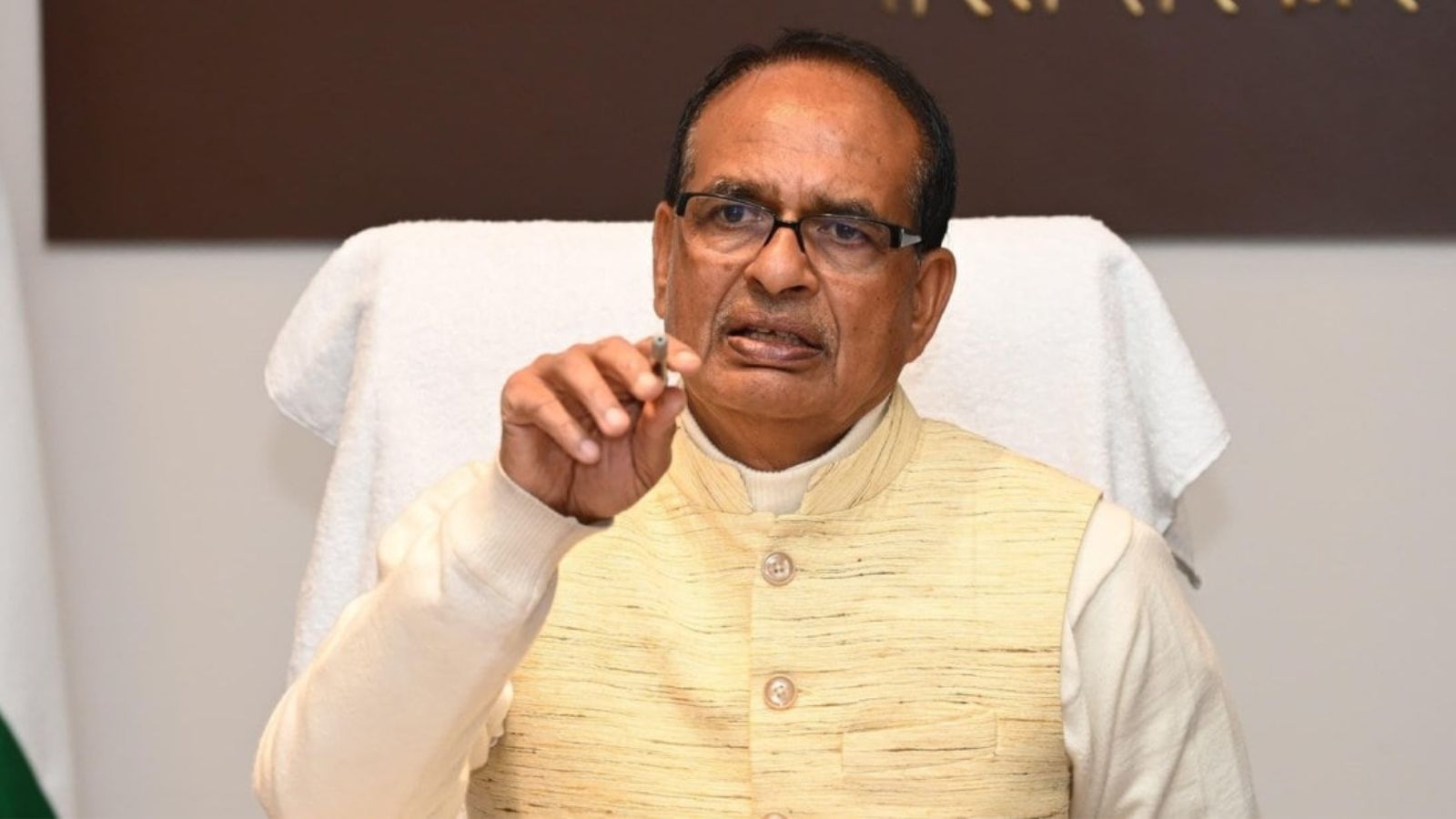
Union Agriculture Minister Shivraj Singh Chouhan held a bilateral meeting with Mawlawi Ataullah Omari, the agriculture minister of the Taliban-led interim government of Afghanistan, on Wednesday in New Delhi. The meeting, conducted at the Pusa Campus, focused on reviewing and strengthening agricultural ties between the two nations.
Sources confirmed that discussions centred on extending the existing Memorandum of Understanding (MoU) between the Indian Council of Agricultural Research (ICAR) and the Afghan National Agricultural Science and Technology University beyond 2026. The MoU, initially signed in 2020, facilitates joint research, technical exchanges, and capacity-building programmes in agriculture.
The meeting marks the highest-level engagement between India and the Taliban-led administration since the latter took power in Afghanistan in August 2021. India has not formally recognized the Taliban government but has maintained technical and humanitarian cooperation, including the shipment of wheat and medical supplies. Agricultural collaboration has been a consistent area of engagement, given Afghanistan's food security challenges.
Both sides expressed interest in deepening partnerships in agricultural research, crop diversification, and sustainable farming practices. The extension of the MoU is expected to support Afghan farmers through improved seed varieties and modern techniques.
India's engagement with Afghanistan under the Taliban remains cautious and calibrated, focusing on people-to-people ties and humanitarian needs. The Ministry of External Affairs did not issue a separate statement on the meeting, indicating its low-key nature.
The development comes amid shifting regional dynamics, with several countries reopening diplomatic missions in Kabul while maintaining distance from formal recognition. India continues to advocate for an inclusive government in Afghanistan and has urged the Taliban to uphold human rights, especially for women and minorities.
Agriculture is a critical sector for Afghanistan's economy, employing nearly 60% of the population. Iran, Pakistan, and Central Asian states have also increased agricultural ties with Afghanistan under the current administration.







