India and Australia Sign Defence Pacts, Agree to Fast-Track Trade Deal
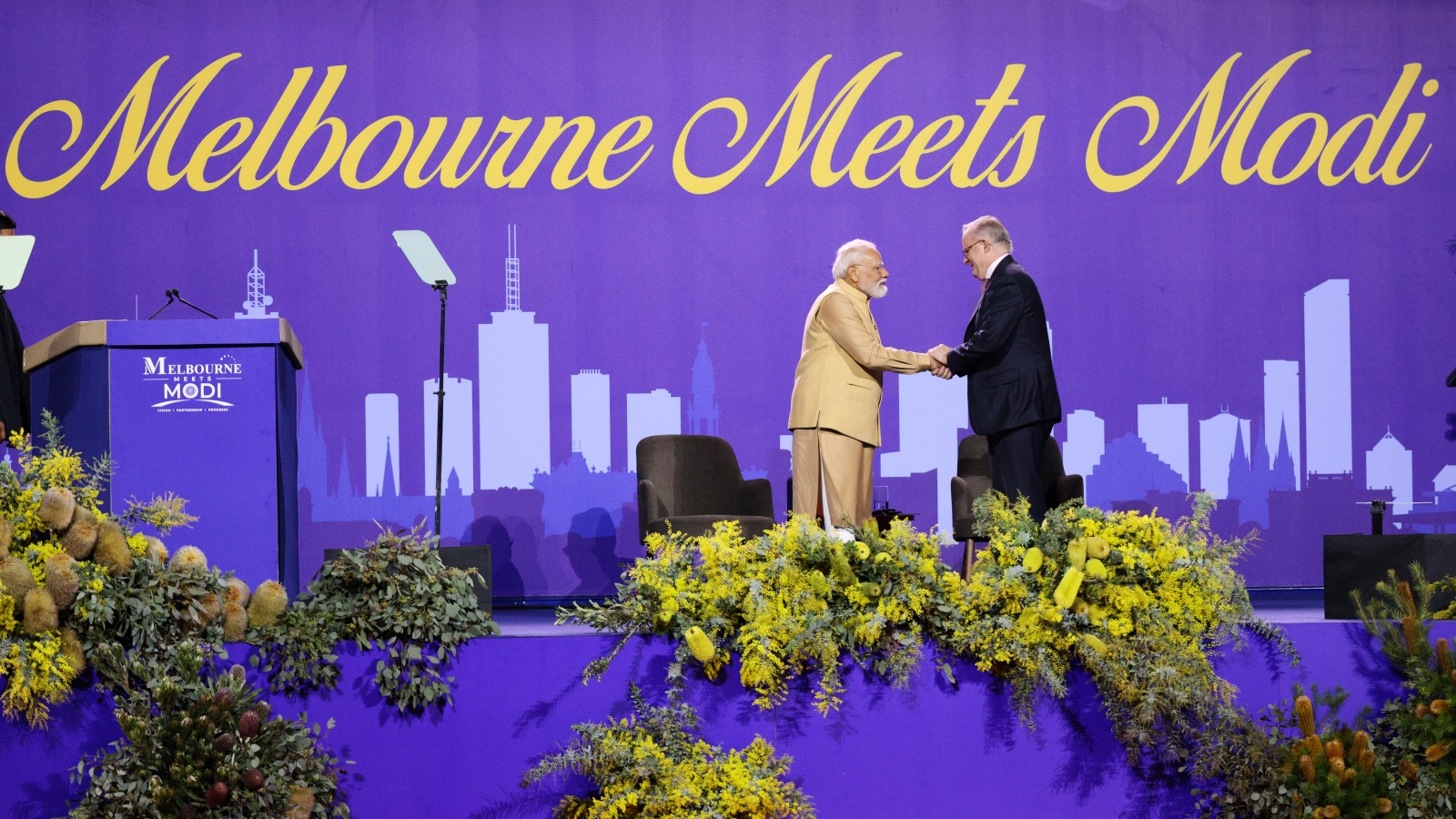
India and Australia on Thursday signed a series of agreements across defence, maritime security, energy, and trade, marking a significant deepening of bilateral ties. The pacts include an administrative arrangement to operationalise the 2014 Civil Nuclear Agreement, which will allow Australian uranium exports to India for peaceful purposes.
Prime Minister Narendra Modi, speaking in Melbourne after the third annual India-Australia Summit, described both nations as “vibrant democracies”, “multicultural societies”, and “significant ocean powers”. He stated that they would work together to strengthen peace, stability, freedom of navigation, and a rules-based order in the Indo-Pacific region.
Australian Prime Minister Anthony Albanese said the partnership had never been stronger. “Six years into our strategic partnership, Australia’s relationship with India has never been more consequential than it is today,” he said. He added that the two countries are focused on deepening and diversifying ties across defence, security, education, science, technology, energy, and critical minerals.
The strengthened ties come amid China’s assertive behaviour in the Indo-Pacific, which has raised concerns among Quad partners. Additionally, the ongoing conflict in West Asia has affected maritime traffic in the Strait of Hormuz over the past four-and-a-half months.
Modi announced both sides had decided to “fast-track work on the Comprehensive Economic Cooperation Agreement (CECA), which will be balanced, ambitious, and mutually beneficial”. They also agreed to accelerate progress on a Bilateral Investment Treaty.
Following the talks, the two sides issued a joint statement alongside separate statements on defence and maritime security, energy security, and critical minerals. The statement noted tangible benefits from the existing India-Australia Economic Cooperation and Trade Agreement (ECTA) and emphasised dismantling non-tariff barriers and coordinating institutional financing to drive private sector investment.
A key outcome was the finalisation of the administrative arrangement for the Civil Nuclear Agreement, enabling Australian uranium exports to India. Albanese said this would help increase India’s non-fossil fuel power capacity and provide an additional market for Australia’s resources sector.
To support India’s renewable energy push, a joint ‘Rooftop Solar Training Academy’ will be established in Gujarat to build technical capacity among women and youth under the PM Surya Ghar Yojana.
On defence and security, Modi said the Indo-Pacific symbolises the shared aspirations of like-minded democracies. He announced a joint declaration to enhance defence and security cooperation, a Defence Innovation Corridor connecting startups and industries, and a Maritime Security Collaboration Roadmap to strengthen shared efforts in the region. He also mentioned cooperation on shipbuilding, ship repair, and maintenance.
Albanese said the joint declaration on defence reflects the growing strategic convergence between the two countries.







