IIT Bombay Scientists Develop Efficient Method to Speed Up Drug Discovery
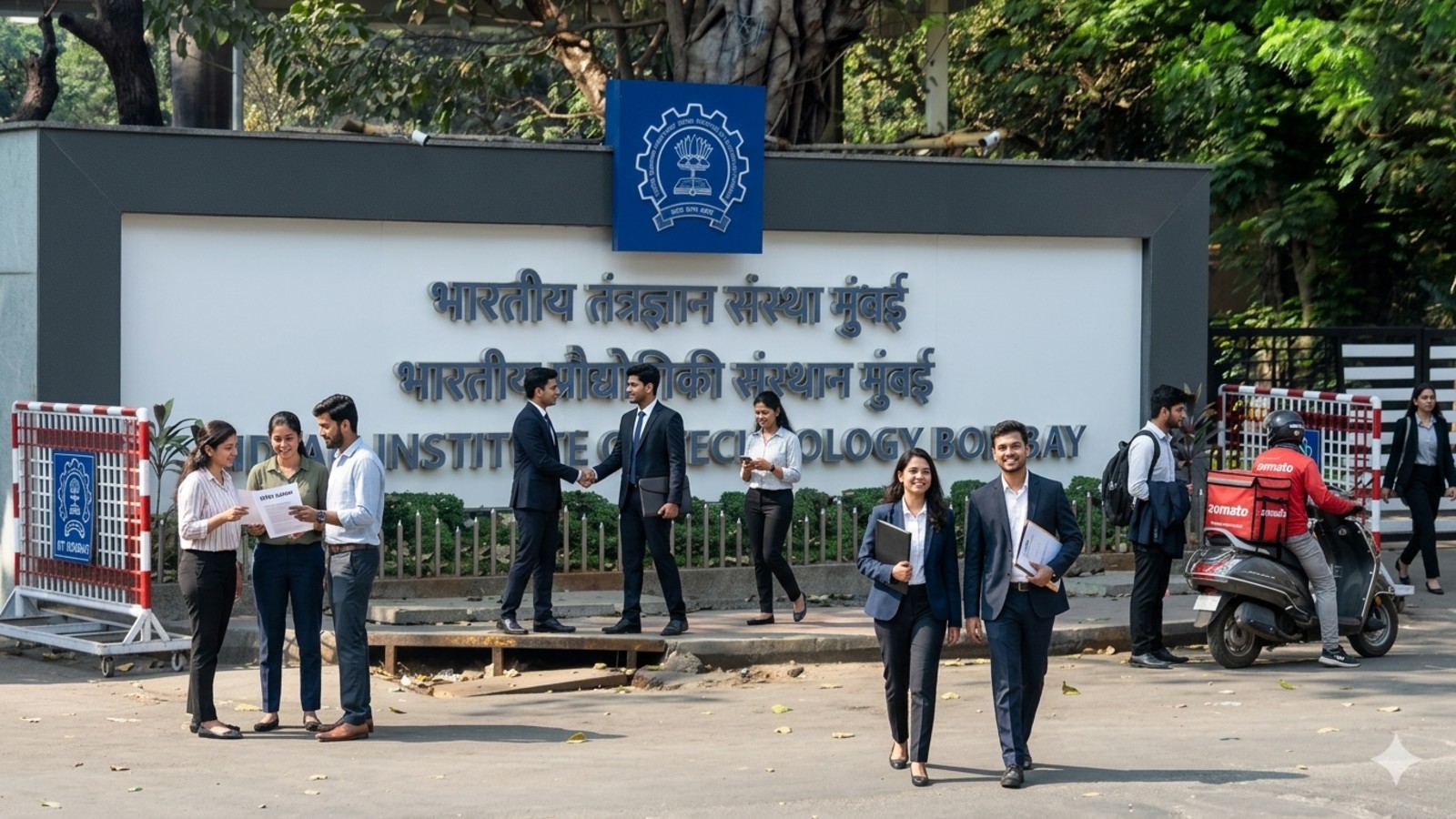
Researchers at the Indian Institute of Technology (IIT) Bombay have announced a new method that could significantly accelerate and reduce the cost of drug discovery. Published in the prestigious journal Nature, the study presents a technique to convert simple, straight-chain carbon compounds into complex ring-shaped molecules, which are essential building blocks for many pharmaceuticals.
Led by Professor Debabrata Maiti, the team found a way to synthesise muricatacin — a compound with potential medicinal applications — directly from fatty acids. Traditionally, converting straight-chain carbon molecules into ring-shaped structures requires multiple steps, making the process time-consuming and expensive. The new method streamlines this conversion, offering a more sustainable and economical alternative.
“Our approach could make drug discovery faster, cheaper and more sustainable,” Professor Maiti said. The research addresses a long-standing challenge in synthetic chemistry: efficiently creating ring-shaped molecules from abundant linear carbon compounds like fatty acids.
Ring-shaped molecules are prevalent in many biologically active compounds, including drugs. However, their synthesis from naturally abundant straight-chain compounds has been inefficient. The IIT Bombay method uses a catalytic process that simplifies the conversion, potentially replacing multi-step procedures with a single, green chemistry-friendly step.
The findings have implications beyond pharmaceuticals; such ring-shaped molecules are also used in agrochemicals, materials science, and other industries. The research was conducted in collaboration with other institutions and was supported by India's Department of Science and Technology.
This development adds to India's growing reputation in chemistry and drug discovery research. The method is expected to be adopted by pharmaceutical companies seeking to reduce costs and environmental impact.







