High Court sets time-bound procedure for Delhi jail to decide parole plea of Beant Singh assassination convict
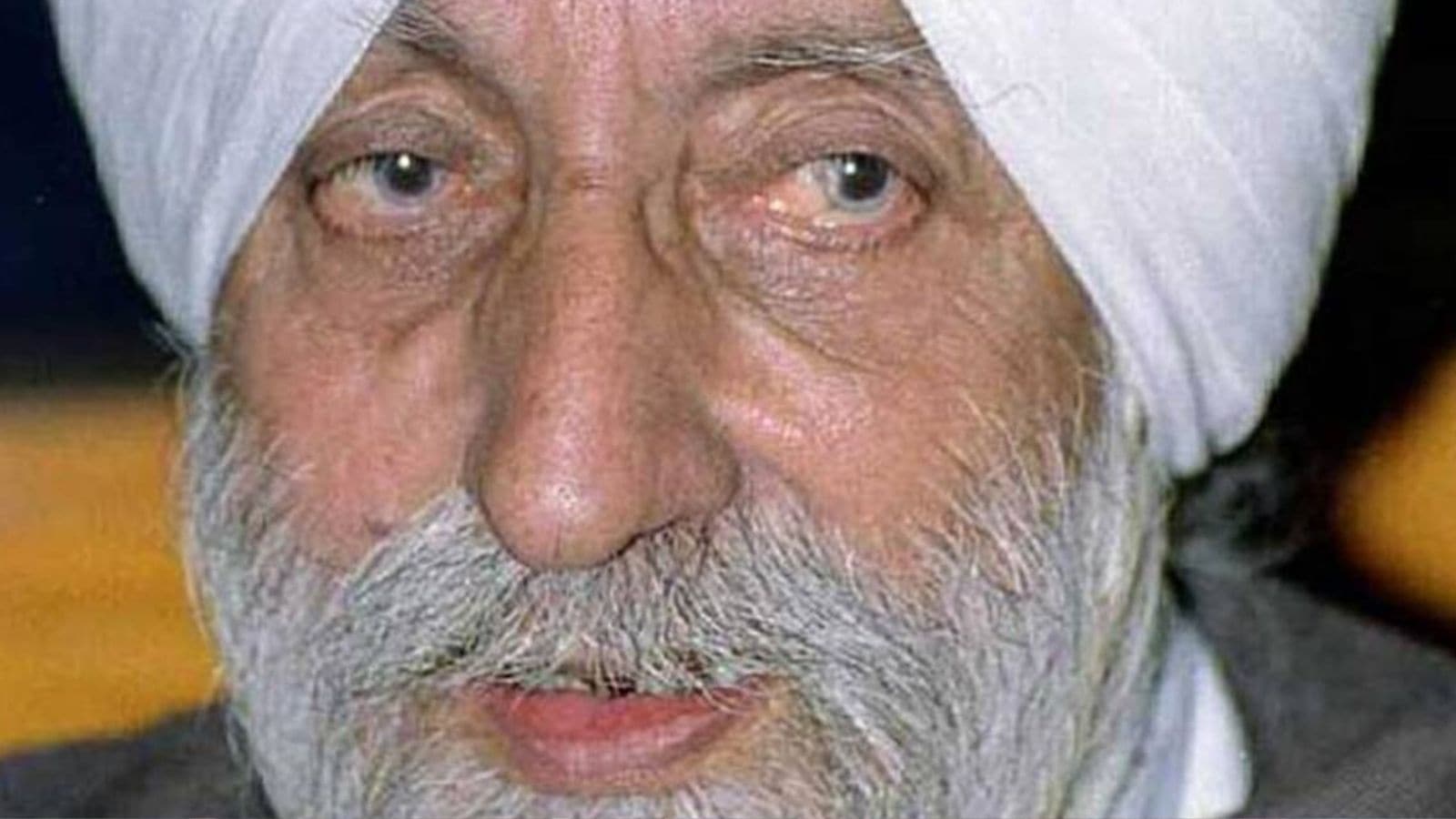
The Punjab and Haryana High Court has directed the Superintendent of Central Jail No. 15 in Delhi's Mandoli to decide the parole application of Jagtar Singh Hawara, a convict in the assassination case of former Punjab Chief Minister Beant Singh, within a time-bound manner. The court ordered that the jail superintendent must seek comments and recommendations from the Chandigarh Administration.
A Bench comprising Justices Vinod S Bhardwaj and Sukhvinder Kaur specified a clear timeline: the Mandoli Jail Superintendent shall forward Hawara's parole request to the Home Secretary of Chandigarh within one week; the Chandigarh Administration must send its comments and recommendations within four weeks; and thereafter, the jail superintendent shall decide the parole application within two weeks. The court emphasised that all authorities must adhere to these timelines.
The order was passed on July 6 while disposing of Hawara's criminal writ petition seeking four weeks' parole to attend to his 81-year-old mother, whose health was described as 'rapidly deteriorating on account of advanced age related physical and cognitive disorders'. The order was made available on Thursday.
Senior Advocate Maninder Singh, appearing for Hawara, submitted that his client had undergone 29 years of actual custody and had never been granted any parole or remission. He further stated that no complaint of misconduct or any prison offence had been reported against Hawara during this period. Singh also noted that out of 36 cases registered against Hawara, he was convicted in seven, has completed the sentence in six, and is currently serving sentence in the instant case. In the remaining 29 cases, he has been acquitted or discharged.
The counsel argued that although the Delhi High Court had earlier directed authorities to communicate a decision on the parole application, the Mandoli Jail Superintendent instead forwarded the case to the Punjab government. The Delhi government also directed that the case file be sent to Punjab, assuming that since Hawara is an ordinary resident of Punjab, his parole application should be considered by them.
Hawara's counsel contended that this communication was erroneous and based on a misunderstanding of the high court's order. He submitted that the Mandoli Jail Superintendent was not the competent authority to decide the matter because the case was registered in Chandigarh and the conviction was recorded by the Additional Sessions Judge, Chandigarh. A reminder representation was later sent to the Mandoli Jail Superintendent, Punjab government, and the Chandigarh Model Jail authorities.
Referring to the status report filed by the Mandoli Jail Superintendent, the counsel noted that the Punjab government had informed that based on inputs from the SSP, Fatehgarh Sahib, and the Director, Bureau of Investigation, multiple cases were registered against Hawara and the Bureau had recommended not to grant parole. The petitioner's counsel submitted that the Home Secretary of the Union Territory, Chandigarh, is the competent authority to make a recommendation.
Appearing for the Chandigarh Administration, Senior Advocate JS Toor argued that under the Punjab Good Conduct Prisoners (Temporary Release) Act, 1962, as applicable to Chandigarh, the decision regarding temporary release is to be taken by the Superintendent of the jail where the convict is undergoing sentence. Since Hawara is lodged in Mandoli Jail after being shifted following a jailbreak incident, the administration maintained its stance.
The High Court, however, laid down the time-bound procedure, ensuring that the parole application is decided expeditiously while involving the competent authorities.







