High Court Seeks Government Reply as Telegram Challenges Ban Over NEET Retest
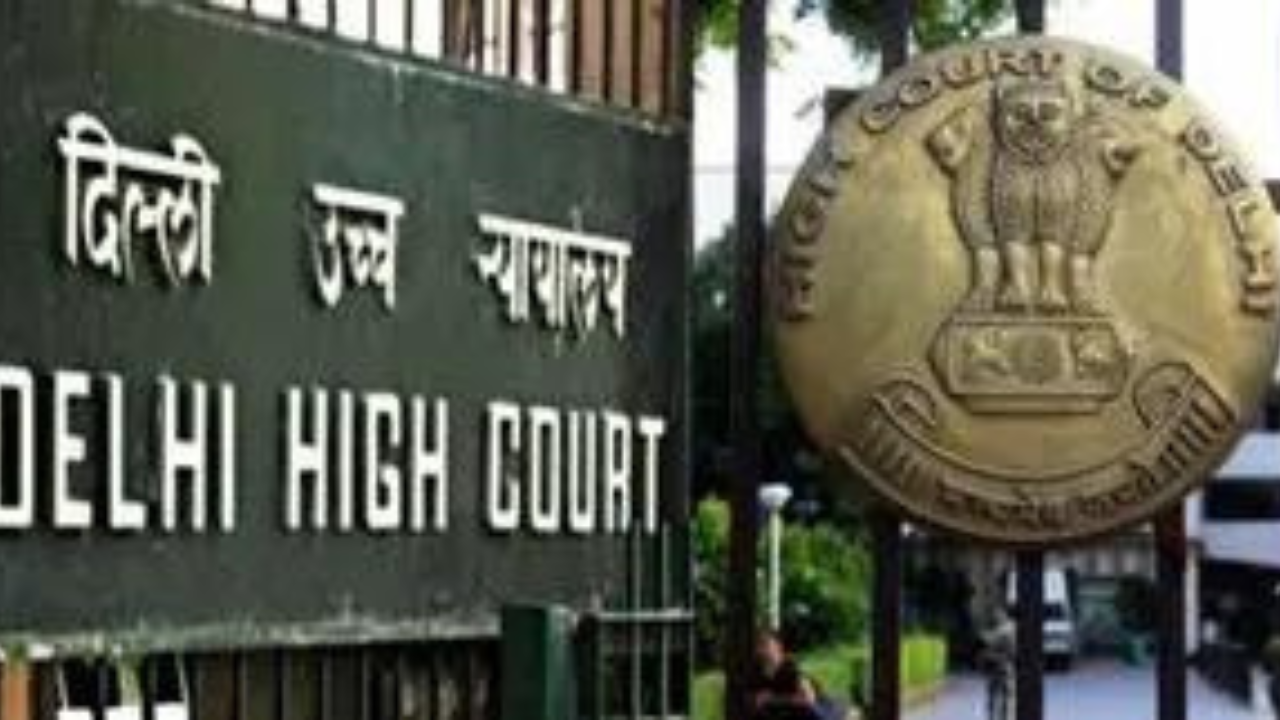
The Delhi High Court on Monday sought a response from the Union government on a petition filed by messaging platform Telegram challenging the authorities' decision to block its channels and groups allegedly linked to irregularities during the National Eligibility cum Entrance Test (NEET) retest earlier this year.
A bench comprising Justice Pratibha M. Singh and Justice Amit Sharma issued notice to the Ministry of Electronics and Information Technology (MeitY) and the National Testing Agency (NTA), directing them to file their replies within four weeks. The court listed the matter for further hearing on November 22.
Telegram, in its petition, argued that the blocking orders issued under Section 69A of the Information Technology Act, 2000, were “arbitrary, disproportionate and violative of the fundamental right to freedom of speech and expression under Article 19(1)(a) of the Constitution”. The platform contended that it was not given adequate opportunity to respond before the order was passed, and that the grounds for blocking were never communicated to it, in violation of the principles of natural justice.
The controversy dates back to June 2024, when the NTA conducted a retest for nearly 1,500 candidates who had been affected by allegations of paper leaks and other malpractices during the original NEET-UG examination held in May. Following reports that leaked question papers were being circulated on various Telegram groups, the government directed internet service providers to block access to a number of such groups and channels. Subsequently, MeitY issued a more comprehensive order requiring Telegram to remove or disable access to several channels, and later, amid allegations that Telegram was not fully cooperating, the government reportedly directed a temporary ban on the platform in certain regions.
Senior counsel appearing for Telegram submitted before the court that the platform has a robust mechanism for reporting and removing unlawful content, and that it had already taken down specific channels upon receiving court orders or government notices. However, the blanket blocking orders, without specifying individual messages or posts, amounted to prior restraint and were not the least restrictive measure available. The counsel further argued that the orders had the effect of penalising millions of legitimate users who rely on Telegram for personal and business communication.
In response, Additional Solicitor General representing the Union government opposed the petition, stating that the matter involved issues of public interest and the integrity of a national-level competitive examination. He submitted that the government had acted in good faith to prevent further dissemination of leaked material and to uphold the sanctity of the examination process. The court, however, observed that the petition raised important questions regarding the procedure to be followed by authorities when issuing blocking orders, and the balance between national security concerns and free speech rights.
The petition also highlights a broader debate on intermediary liability and the government’s powers under the IT Act. Section 69A allows the government to block public access to any information through any computer resource, subject to certain procedural safeguards. Telecom companies and internet platforms have frequently challenged such orders in courts, leading to evolving jurisprudence on the limits of state censorship.
The outcome of this case could have significant implications for digital rights in India, as it tests the transparency of the blocking mechanism and the accountability of the government when restricting online speech. Telegram has urged the court to lay down guidelines ensuring that any future blocking orders are accompanied by a reasoned order and are communicated to the intermediary before implementation, except in the rarest of emergent situations.
The court will now examine whether the government followed due process and whether the blocking orders meet the legal standards laid down by the Supreme Court in the Shreya Singhal v. Union of India judgment, which upheld the validity of Section 69A but read into it strict procedural requirements including the formation of a review committee and the obligation to give a hearing to the originator of the content wherever possible.