High Court demands data on HPV vaccine adverse events after US lawsuits
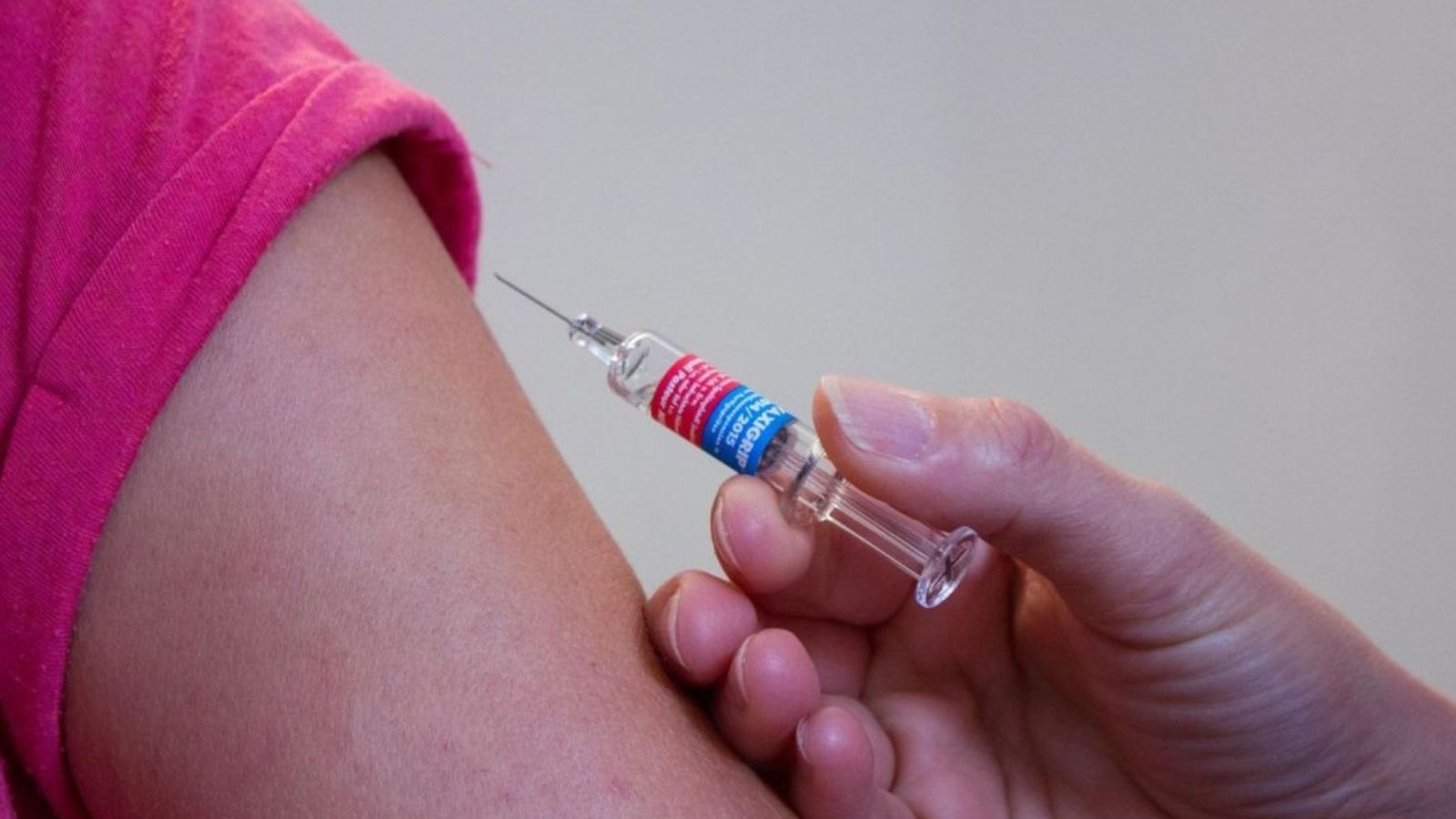
The Delhi High Court on Wednesday termed the Union government's decision to roll out the human papillomavirus (HPV) vaccine under the Universal Immunisation Programme as a 'very serious matter', while hearing a public interest litigation (PIL) that flagged previous serious adverse events associated with the vaccine.
The PIL, filed by gynaecologist Dr Sujata Mittal and health entrepreneur Jitendra Chouksey, highlighted that an earlier attempt to introduce the HPV vaccine in 2009 through clinical trials in Gujarat and Andhra Pradesh had led to reports of deaths in 2010 in a village in Khammam district, Andhra Pradesh. The petitioners' counsel, senior advocate Gyanendra Kumar, noted that a 2013 Parliamentary Standing Committee report found 'grave irregularities in the conduct of clinical trials', which halted the rollout at that time.
In February, the government launched a vaccination drive offering a single dose of Merck's quadrivalent vaccine Gardasil free of cost to eligible 14-year-old girls to prevent cervical cancer. Gardasil 9 protects against nine strains of HPV. The petitioners pointed out that Merck had settled over 200 lawsuits in the United States in June, paying more than USD 50 million for alleged serious autoimmune ailments in young women following Gardasil vaccination, without admitting liability.
Chief Justice D K Upadhyaya and Justice Tejas Karia, addressing the government, said: 'This is a very serious issue; you get yourself immunised not to get infected. We are not doubting your intentions, but it is a serious issue concerning all girl children, women at large. Vaccination is a good scheme, but if there are adverse events we need to be cautious.'
The court requested Additional Solicitor General Chetan Sharma to be briefed by officers from the Ministry of Health and Family Welfare (MoHFW) directly involved in the current rollout, and assist the court. It issued notices to the ministry, the Indian Council of Medical Research, and the Central Drugs Standard Control Organisation, seeking their responses. The court will hear the case again on July 29.
The petitioners also sought the disclosure of adverse event data. Advocate Rohit Kumar stated: 'There is no data on adverse event reporting publicly available. In 2013, the Parliamentary committee flagged so many adverse events that the rollout was stopped. Now in 2026, the same vaccine has been launched. If they can at least come with data on adverse events among the 1.15 crore people who have been administered so far.'
A 2017 report by the Global Advisory Committee on Vaccine Safety had broadly deemed the vaccine safe but noted that 'attention has continued to focus on spurious case reports and unsubstantiated allegations.' The World Health Organization's latest factsheet (July 15) shows global coverage for the first dose of HPV vaccine in girls stands at 33% as of 2025, far below the 90% target for 2030.
Secretary (Biotechnology) Rajesh Gokhale had stated a month ago that a single-dose Cervavac vaccine—a made-in-India HPV vaccine—is being clinically tested, but likely to be included in the national vaccination drive only after 2027. The petitioners urged that before a mass vaccination programme, the government must 'commission or disclose a robust district-level epidemiological assessment' that is publicly available, citing a lack of conclusive data in India on the vaccine's immunological protection.