Xylitol sweetener may raise risk of heart attack and stroke, study suggests
The widely used low-calorie sweetener xylitol has been associated with an increased risk of serious cardiovascular events, including heart attacks and strokes, according to research presented at the European Society of Cardiology (ESC) Congress in Germany.
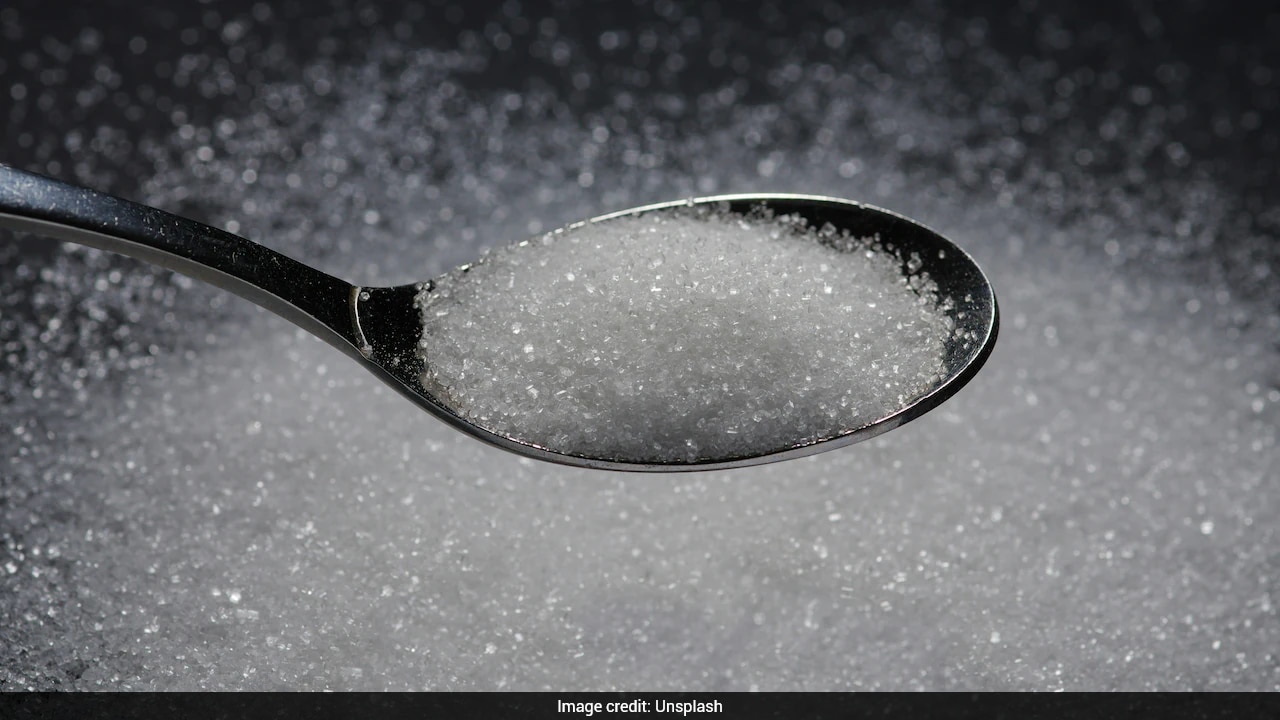
Xylitol is a sugar alcohol that occurs naturally in small quantities in fruits and vegetables. It is also produced commercially and added to many sugar-free products such as chewing gum, mints, baked goods, and toothpaste. It tastes similar to sugar, has about 40% fewer calories, and does not cause a sharp rise in blood sugar, which has contributed to its popularity.
The study, led by Dr Marco Witkowski from Charité University Hospital in Berlin, examined data from 17,710 participants in two long-term observational studies: the Canadian Longitudinal Study on Aging (CLSA) and the European Prospective Investigation into Cancer (EPIC)-Norfolk. Blood levels of xylitol were measured at the beginning of the studies, and participants were tracked for heart attacks, strokes, and other cardiovascular events over many years.
The researchers found that people with higher blood levels of xylitol had a greater risk of experiencing major cardiovascular events. In laboratory tests, xylitol also made blood platelets more likely to clump together and form clots, which can lead to heart attacks and strokes.
The study, published in the European Heart Journal, is observational, meaning it cannot prove that xylitol directly causes these events. The authors emphasised that the findings show an association, not a causal link. Dr Witkowski noted that the long-term findings highlight how little is known about the cardiovascular safety of xylitol, and that further studies are warranted as the amount of xylitol in products continues to increase.
This is not the first time xylitol has been linked to cardiovascular risk. A previous study by the same team found a similar association in high-risk patients. The new research extends those findings to a broader population and a longer follow-up period.
There are notable limitations. Blood xylitol levels were measured only once, which may not capture typical long-term exposure. Diet, lifestyle, and underlying health conditions could also have influenced the results. The researchers noted that the absolute risk for healthy individuals appears low, but even a small increase in risk could matter at the population level because xylitol is so widely consumed.
Health experts stress that people should not panic or avoid all products containing xylitol. Instead, they advise those with existing heart conditions or multiple cardiovascular risk factors to talk to their doctor about sweetener choices and to read ingredient labels carefully. Regulatory authorities may need to review the safety of xylitol as more evidence becomes available.
The findings have generated discussion among cardiologists, but they do not change current dietary guidelines overnight. Future randomised controlled trials will be necessary to establish whether xylitol truly raises cardiovascular risk, and if so, what levels of intake are concerning. Until then, moderation remains a sensible approach for consumers.