Balaghat child deaths: Probe finds multiple clinical causes, no single pathogen
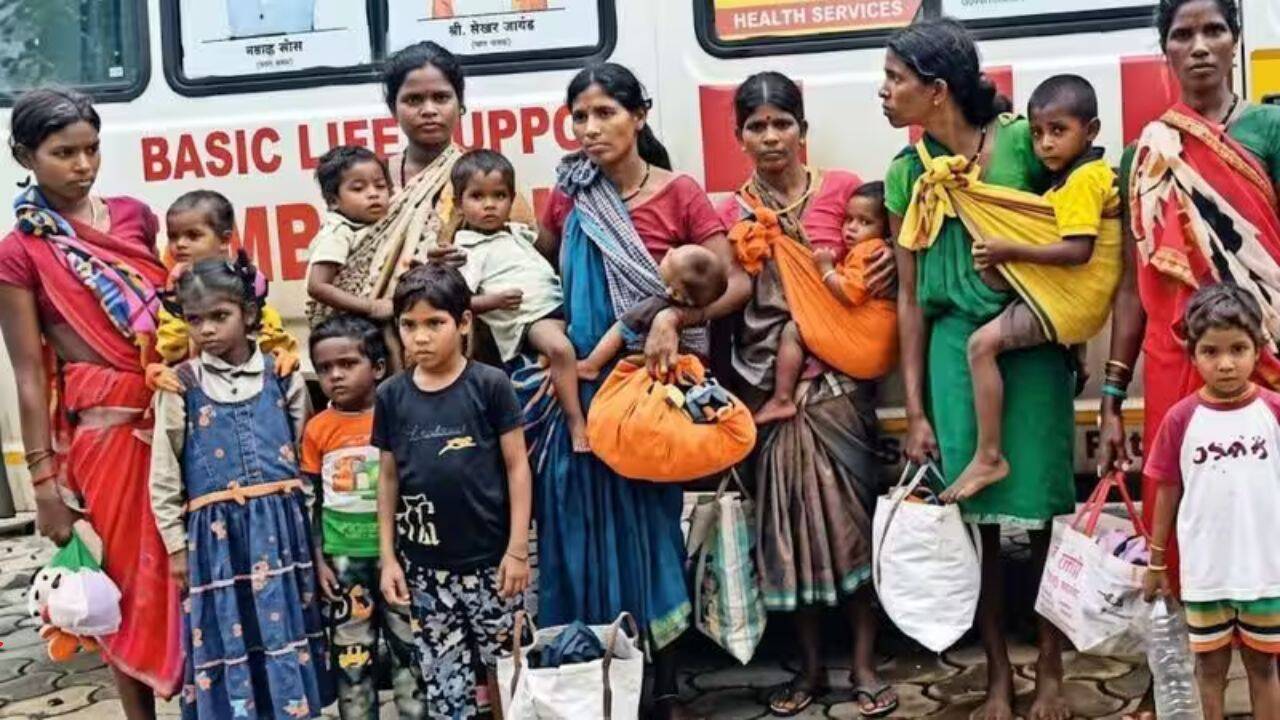
NEW DELHI: The Central government's investigation into the cluster of illnesses that affected tribal children in Balaghat district of Madhya Pradesh has revealed several clinical factors behind the deaths, officials said on Sunday. The findings indicate that the deaths cannot be attributed to a single pathogen at this stage.
The Union health ministry’s National Joint Outbreak Response Team (NJORT), which was deployed on August 12, has been conducting epidemiological, clinical, and laboratory assessments in the affected areas. The probe covers measles and malaria surveillance, mortality reviews, and entomological investigations. An independent team from the Indian Council of Medical Research (ICMR) is also involved, with experts from Jabalpur and Netaji Subhash Chandra Bose Medical College visiting the region.
According to senior health ministry officials, the clinical causes identified among the reported deaths include measles, malaria, co-infection, respiratory distress, dehydration, malnutrition, anaemia, and shock. A case-wise retrospective review, including verbal autopsies, is being undertaken to establish the full chain of events. Officials noted that several early deaths occurred at home or before the patients could reach an appropriate health facility, which limited the availability of clinical records and diagnostic specimens.
The outbreak was initially reported in three villages, but surveillance has now been expanded to around 50 villages. As of the latest count, 431 children have been admitted to health facilities, of whom 379 have been discharged. Fifty-two children are still under treatment and observation. More than 32,000 people have been screened as part of the door-to-door surveillance drive.
The government has also stepped up preventive and curative measures in the affected blocks of Birsa and Baihar. As many as 14,637 children aged one to ten years have received an additional dose of the Measles-Rubella (MR) vaccine. More than 600 drinking-water sources have been purified, and insecticide spraying has been completed in 4,338 households to control vector-borne diseases. Six Mobile Medical Units have been deployed, along with more than ten doctors and ten Community Health Officers working in the affected areas.
Screening efforts have also detected a high burden of malnutrition and other illnesses among children. Officials said 7,711 children were found to have severe acute malnutrition, of whom 518 have been admitted to Nutrition Rehabilitation Centres. Additionally, 13,406 children with diarrhoea and 274 with severe pneumonia have been identified and provided treatment.
The health ministry stated that the situation is gradually improving, with no new measles case reported in Balaghat in the past seven days. Surveillance and treatment continue, especially in remote tribal and Particularly Vulnerable Tribal Group (PVTG) habitations, where access to healthcare remains limited.
Health experts say the findings underscore the need for comprehensive public health interventions that address not just infectious diseases but also underlying conditions like malnutrition and anaemia. The district, which is home to several tribal communities, has historically faced challenges in healthcare delivery due to geographical isolation and inadequate infrastructure.
The Central government has assured continued support to the state authorities in managing the outbreak and strengthening health systems in the region. The investigation is ongoing, and further results are expected to guide future preventive strategies.