Hidden Sodium: Why Giving Up the Salt Shaker Isn't Enough for Hypertension
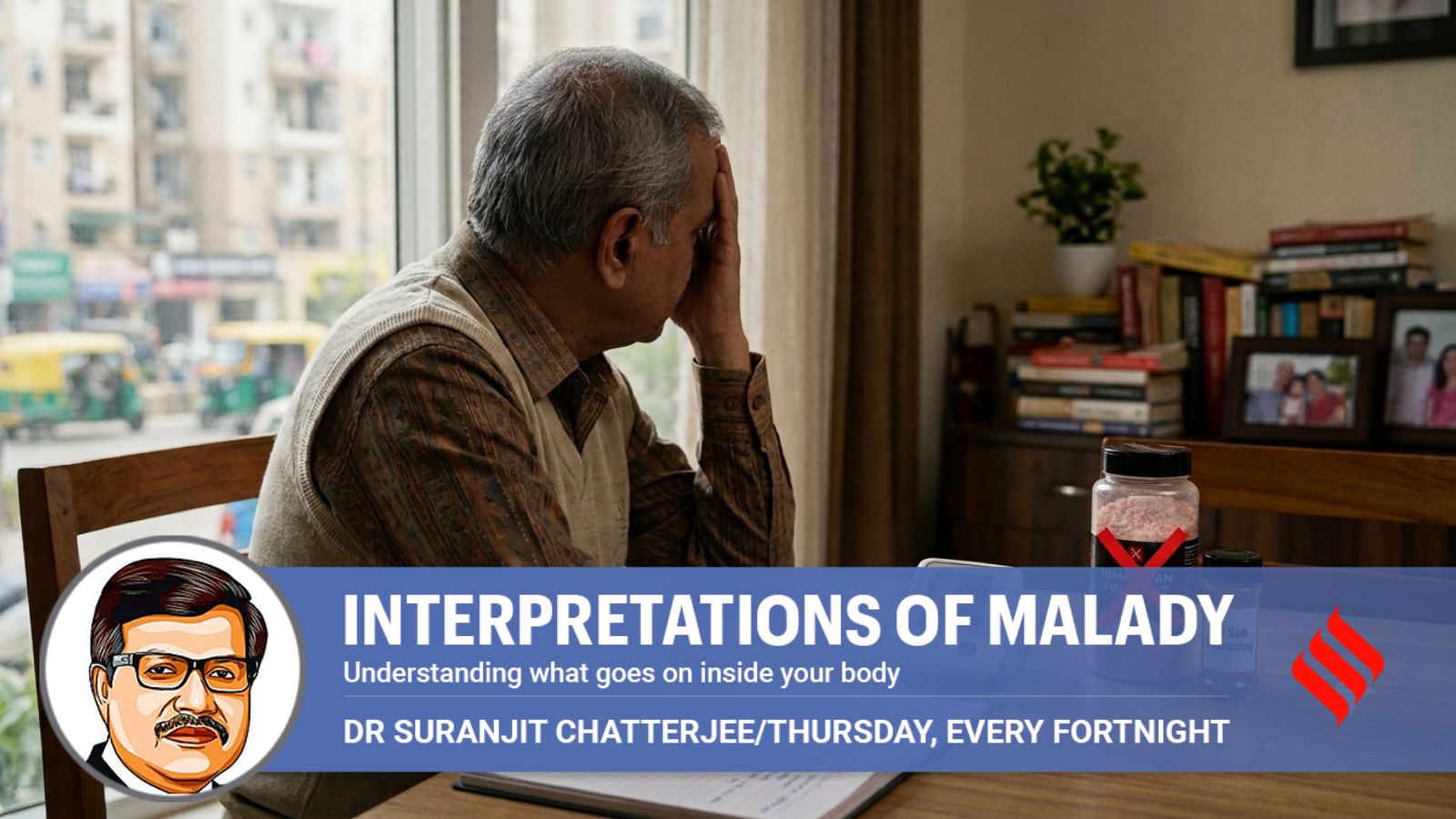
A 45-year-old man with hypertension recently visited his doctor, frustrated that his blood pressure remained high despite taking medication regularly. He had stopped adding extra salt to his food, yet his readings were still above target. As his doctor discussed his daily routine, the reason became clear: his breakfast included packaged cereal, lunch was often from a restaurant, evenings featured a packet of chips, and dinner frequently consisted of instant soup. Although he had avoided the salt shaker, he was unknowingly consuming large amounts of sodium from processed and convenience foods.
Many people believe that avoiding added table salt automatically means they are following a low-sodium diet. In reality, most of the sodium we consume comes not from the salt we sprinkle on meals, but from packaged and processed foods. Ready-to-eat snacks, restaurant meals, breads, sauces, pickles, processed meats, instant noodles, cheese spreads, breakfast cereals, and many other convenience foods can contain surprisingly high levels of sodium. Many of these foods do not taste particularly salty, making excess sodium easy to overlook.
For individuals with hypertension, hidden sodium can make blood pressure much harder to control. Even those taking medication may struggle to achieve target levels if their daily sodium intake remains high. Understanding where sodium comes from is just as important as remembering to take prescribed medicines.
Why does sodium matter?
Sodium is an essential mineral that helps regulate fluid balance, supports muscle contraction, and enables normal nerve function. The problem is not sodium itself but consuming more than the body needs. When excess sodium is consumed, the body retains water to maintain fluid balance. This increases blood volume, forcing the heart to work harder and raising blood pressure. Over time, persistently elevated blood pressure damages the heart, brain, kidneys, and blood vessels, significantly increasing the risk of heart attack, stroke, heart failure, and kidney disease.
What reducing sodium does to blood pressure
Reducing sodium intake typically lowers systolic blood pressure by about 5–6 mmHg and diastolic blood pressure by about 2–3 mmHg. For people with normal blood pressure, the reduction is smaller but still meaningful — about 2–3 mmHg systolic and 1 mmHg diastolic. Evidence from the DASH-sodium trial showed that reducing sodium from a high intake to an intermediate intake lowered systolic blood pressure by around 2 mmHg, and reducing it further to a low intake produced an additional 4–5 mmHg reduction. When a low-sodium diet was combined with the DASH eating pattern, the blood pressure reduction was even greater, especially in individuals with hypertension.
Does a small reduction in blood pressure make a difference?
Many people dismiss a reduction of just two or three points as insignificant. However, even modest reductions translate into meaningful long-term reductions in the risk of heart attack and stroke. Over the years, those small improvements reduce cumulative strain on the heart and blood vessels, helping preserve cardiovascular health. When combined with regular physical activity, maintaining a healthy weight, eating a diet rich in fruits and vegetables, avoiding tobacco, and managing stress, reducing sodium intake becomes one of the simplest and most effective ways to improve long-term heart health.
Tips to reduce hidden sodium
Instead of relying on terms like 'low-fat' or 'healthy,' check food labels for sodium content per serving. Pay attention to serving size — a single packet often contains two or more servings, meaning you may consume double the sodium you estimate. For most adults, the recommended daily sodium intake is less than 2,300 mg, and ideally under 1,500 mg for those with hypertension. Cooking at home using fresh ingredients, choosing low-sodium versions of packaged foods, and limiting restaurant meals can significantly reduce hidden sodium intake.
By being aware of hidden sources of sodium, individuals with hypertension can better manage their blood pressure and reduce their risk of cardiovascular disease.