Rat Found in Blinkit Ice Cream Freezer in Thane, Raising Hygiene Concerns
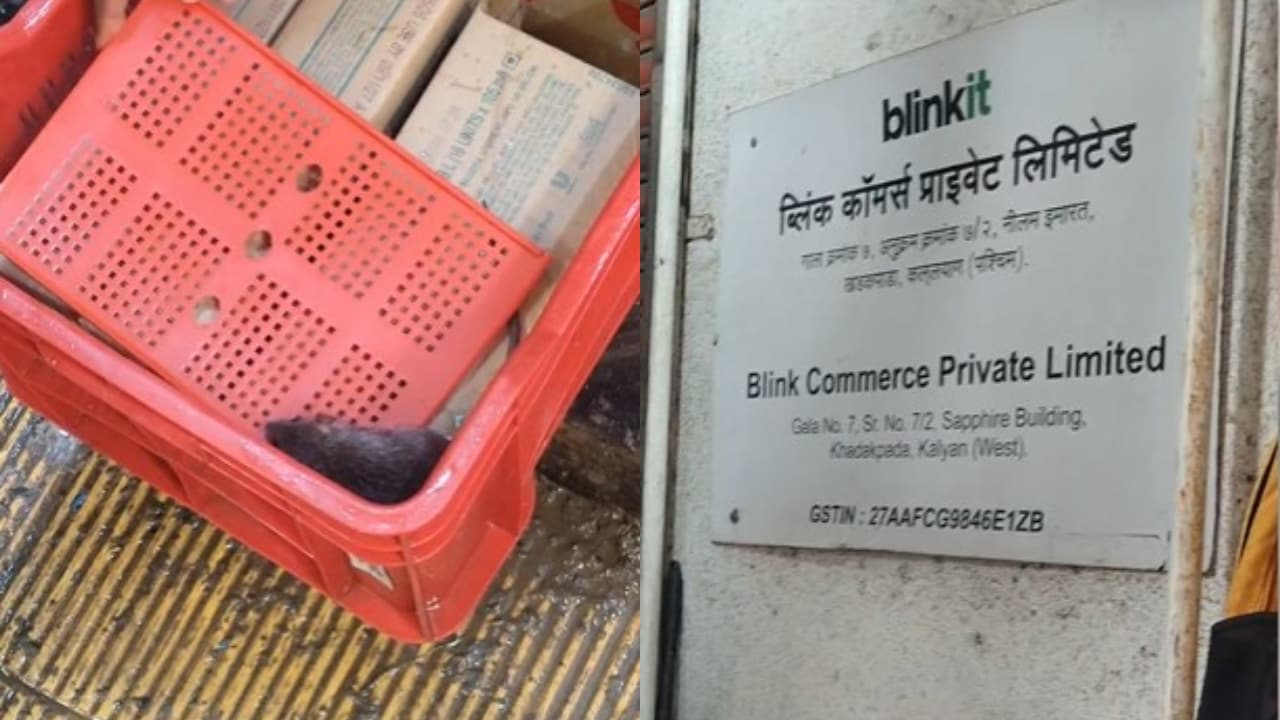
A rat was allegedly spotted inside an ice cream freezer at a Blinkit store in Kalyan's Godrej Hill area in Thane district, Maharashtra, prompting fresh concerns over food safety standards at quick-commerce facilities. The incident came to light when a group of young customers visiting the store to buy ice cream noticed the rodent moving among packaged products inside the freezer compartment.
According to reports, the customers recorded videos of the incident on their mobile phones. The footage has since circulated among local residents, triggering outrage and demands that the Food and Drug Administration (FDA) take strict action against the store. The incident follows a series of inspections by Maharashtra's FDA that flagged hygiene violations at several quick-commerce facilities linked to Blinkit, Zepto, and Instamart.
Earlier this year, the FDA suspended the licences of 14 establishments associated with these platforms after a state-wide drive. Officials inspected 86 facilities involved in the storage, sale, and delivery of food through online platforms, issuing 60 improvement notices and ordering the temporary suspension of operations at one facility. Of the 14 suspended licences, five belonged to Blinkit-linked facilities, five to Zepto, and two to Instamart, with the remaining two not specified.
One of the facilities that came under scrutiny was a Blinkit-linked establishment in Mumbai's Ghatkopar area. During the inspection, officials found inadequate drainage and waste-disposal arrangements, issues with temperature control for frozen products, unprotected lighting fixtures in an unpacked-food storage area, and poor housekeeping practices. The facility scored only 34 out of 74, or 46 per cent, during the inspection, classifying it as non-compliant.
Officials also reported a cockroach infestation at the Ghatkopar facility. Damaged ceilings and flooring were noted, and food items were not being stored with proper segregation, according to inspection findings. These deficiencies highlight recurring problems in maintaining basic hygiene standards in the rapidly expanding quick-commerce sector.
At another Blinkit-linked facility in Malad West, inspectors suspended the establishment's FSSAI licence after identifying multiple violations. The chiller room was operating at 6 degrees Celsius, which officials said was above the prescribed temperature. The facility was also unable to produce medical examination records for around 40 food handlers. Several workers were reportedly found without basic protective gear such as gloves, aprons, and headgear.
The recent incident in Thane underscores the need for stricter enforcement of food safety norms in quick-commerce operations, which have become a primary source of daily essentials for many urban consumers. While platforms often highlight convenience and speed, the latest reports raise questions about whether adequate attention is being paid to the safe storage and handling of perishable items like ice cream.
Local residents in Kalyan's Godrej Hill area have called on the FDA to inspect the Blinkit store immediately and take appropriate action. The agency has not yet issued a public statement regarding the specific incident. However, given the previous inspections and licence suspensions, it is expected to respond swiftly to the new complaint.
This episode also fits a pattern of lapses that have been observed across multiple cities. In Mumbai, cockroach infestations and faulty cold storage have been documented, while in other regions, issues with worker hygiene and record-keeping have surfaced. These findings suggest systemic weaknesses that may require more than spot inspections. Regular audits, surprise checks, and strict penalties for non-compliance are essential to ensure that public health is not compromised.
For consumers, the incident serves as a reminder to remain vigilant about the quality and safety of products purchased through quick-commerce platforms. While regulatory agencies have the authority to act, sustained oversight and transparent reporting are necessary to maintain trust. The FDA's prior actions indicate a willingness to enforce standards, but the recurrence of violations suggests that more robust mechanisms are needed to deter negligence.