Gyanvapi dispute: Both sides reject mediation, head to court for verdict
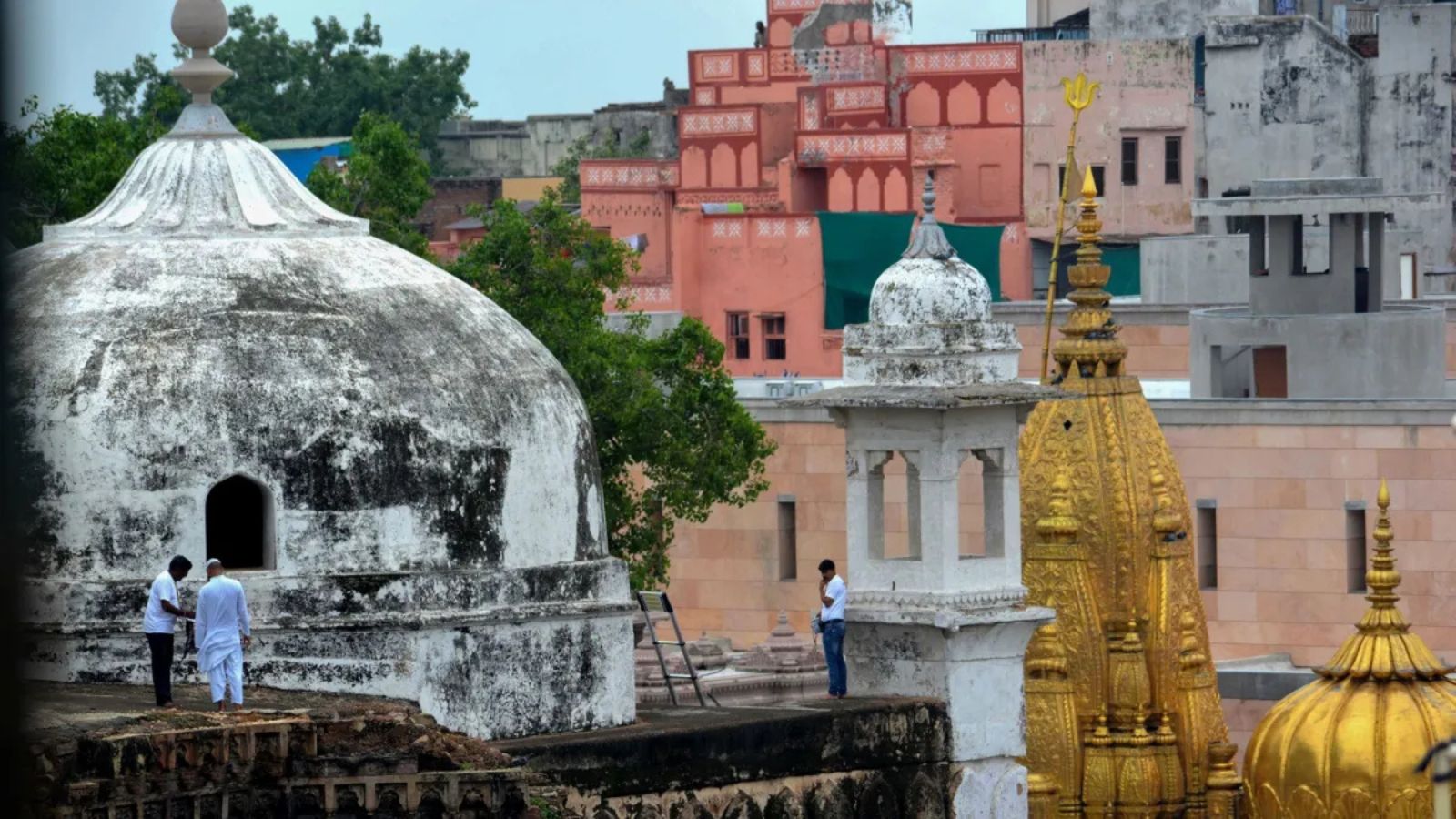
In a significant development in the Gyanvapi mosque dispute, both Hindu and Muslim litigants have declined to participate in the Supreme Court-mandated mediation talks. The decision, communicated to the three-member mediation committee on Tuesday, confirms that the matter will be resolved through judicial adjudication rather than an out-of-court settlement.
The mediation was part of the Supreme Court's 'SAMADHAN SAMAROH' initiative, aimed at reducing the burden on courts by encouraging amicable settlements. However, the parties involved have made it clear that they prefer a court verdict. The Supreme Court had also scheduled a special Lok Adalat from July 22 to 25 for similar discussions, but this is now unlikely to yield a breakthrough.
SM Yaseen, joint secretary of Anjuman Intizamia Masajid, the caretaker of the 17th-century mosque in Varanasi, told reporters, “The Gyanvapi matter is a hyper-sensitive one, and such disputes cannot be settled following mediation. There are more than 35 litigants from the Hindu side, and practically, it is not possible to decide such a dispute with mediation. We all want the court to decide the case on merit.”
On the Hindu side, four women litigants—Rekha Pathak, Sita Sahu, Lakshmi Devi, and Manju Vyas—accompanied by their lawyer Madan Mohan Yadav, informed the committee that they seek complete possession of the disputed site. “We informed the mediation committee that the Muslim side is an encroacher at Gyanvapi and should vacate the premises so that a grand Kashi Vishwanath temple can be built at the original Jyotirlinga site,” Yadav said. He added, “The Muslim side said several similar matters are pending before the Supreme Court, and they would abide by the court’s verdict. They are not willing to accept mediation.”
The Gyanvapi mosque abuts the Kashi Vishwanath temple. The Hindu side claims the mosque was built after the demolition of the temple during the Mughal period, while the Muslim side maintains it is a legitimate Waqf property. The dispute has been pending in courts since 1991, with a fresh petition filed in 2021 by five Hindu women seeking permission to worship goddess Shringar Gauri on the outer walls of the mosque complex. The Varanasi court ordered a survey by the Archaeological Survey of India (ASI), which concluded that a Hindu temple existed before the construction of the mosque. The matter is now before the Supreme Court, which has also been asked to allow excavation and scientific survey of a sealed section of the mosque.
Similar disputes, such as the Sri Krishna Janmabhoomi-Shahi Eidgah in Mathura and Sambhal Shahi Jama Masjid, have also seen litigants preferring judicial adjudication over mediation.







