Government Panel Recommends Keeping Film 'Satluj' Banned, Citing National Security
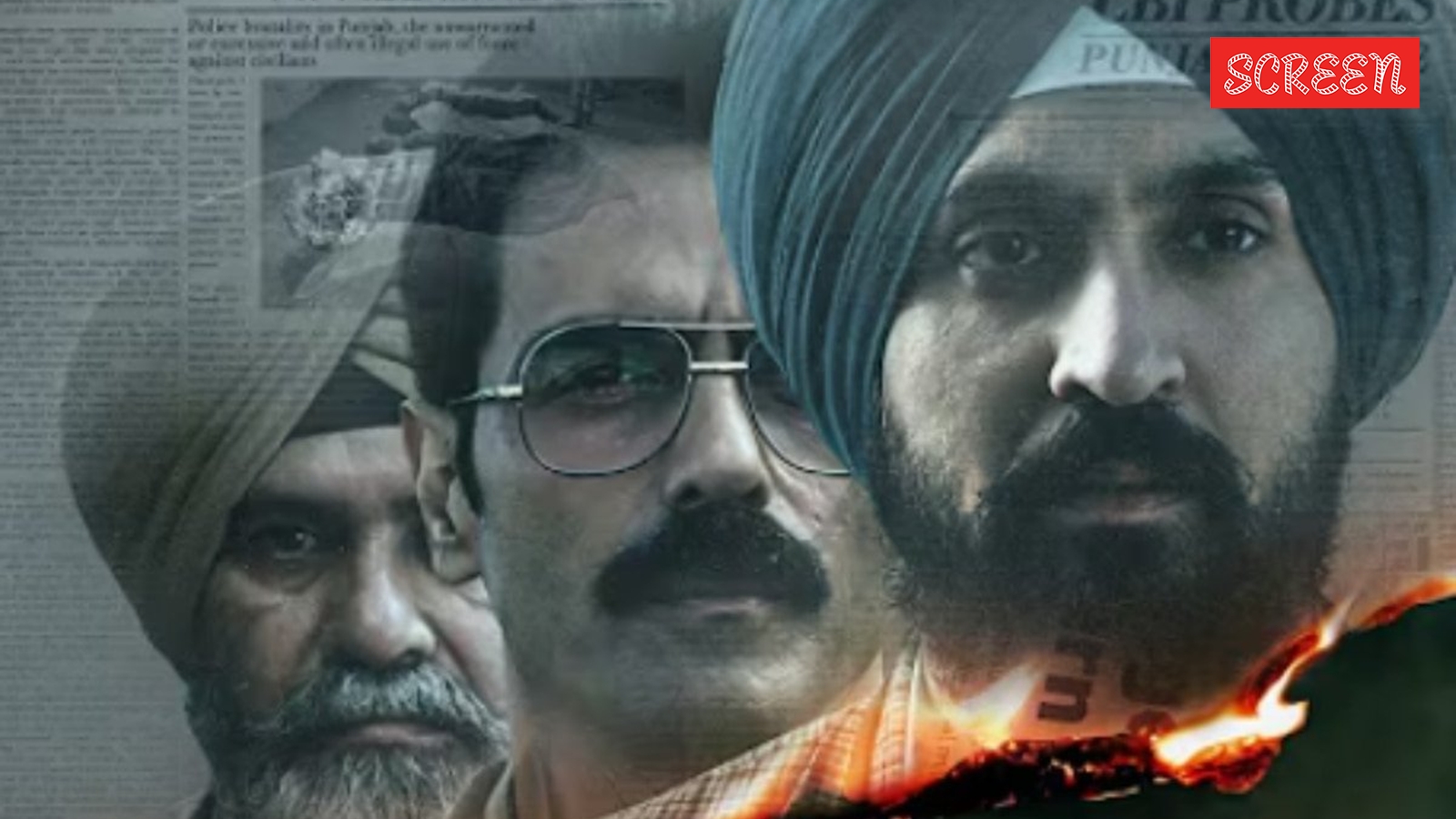
NEW DELHI — A government panel reviewing the film 'Satluj', which was removed from the OTT platform ZEE5 for viewers in India two days after its release on July 3, has recommended to the Information and Broadcasting (I&B) Ministry that the movie remain blocked from public access, according to sources.
The film, directed by Honey Trehan and starring Diljit Dosanjh, is set in Punjab during the insurgency of the 1990s. It is based on the life of human rights activist Jaswant Singh Khalra, who documented the alleged illegal cremation of unclaimed bodies during that period. Khalra was killed in police custody after weeks of torture. His investigation estimated that around 25,000 people had been secretly cremated across Punjab.
The Inter-Departmental Committee (IDC), the panel that reviewed the film, has invoked national security concerns, stating that the film has the potential to threaten the security of the state. The IDC is an oversight body under the Information Technology (Intermediary Guidelines and Digital Media Ethics Code) Rules, 2021, which investigates public complaints and content violations on streaming and digital news platforms. It comprises representatives from multiple ministries, including Home Affairs, Defence, and Law and Justice.
Sources indicated that the committee contended that the film goes against the country's sovereignty and integrity and provides fodder to hostile elements. The IDC is learnt to have recommended that ZEE5 and the film's makers take steps to identify and remove pirated versions circulating online.
The committee noted that although the film carries a disclaimer stating it is a work of fiction, it is based on true stories and real events, which nullifies the disclaimer, especially on matters related to national security. This point was also raised by the Central Board of Film Certification (CBFC) when it reviewed the film about four years ago.
The IDC felt the film presented a biased view of events in Punjab during the depicted period. According to sources, the committee believed the film omits the portrayal of insurgents and terrorism while depicting counterinsurgency action as state excesses and brutality, rather than as a lawful response to terrorism, and showcases state agencies in a negative light.
The IDC also objected to a scene depicting a government official making statements that lend credibility to allegations of mass atrocities against a community, which could fuel separatist campaigns and secessionist propaganda.
Earlier, the I&B Ministry had issued an interim order to ZEE5 under Section 69A of the IT Act, asking the platform to take down the film citing security concerns, and ZEE5 complied. The government then referred the film to the IDC, which met at least twice before finalising its recommendation.
Trehan, the director, was not available for comment.
The controversy around 'Satluj' highlights the ongoing tension between artistic expression and national security considerations in India's digital content landscape. Khalra's disappearance had prompted a Supreme Court-ordered CBI probe, and in 2011, the Supreme Court upheld life imprisonment for five policemen for his murder.