Four Key Challenges India Must Overcome to Become a Manufacturing Hub
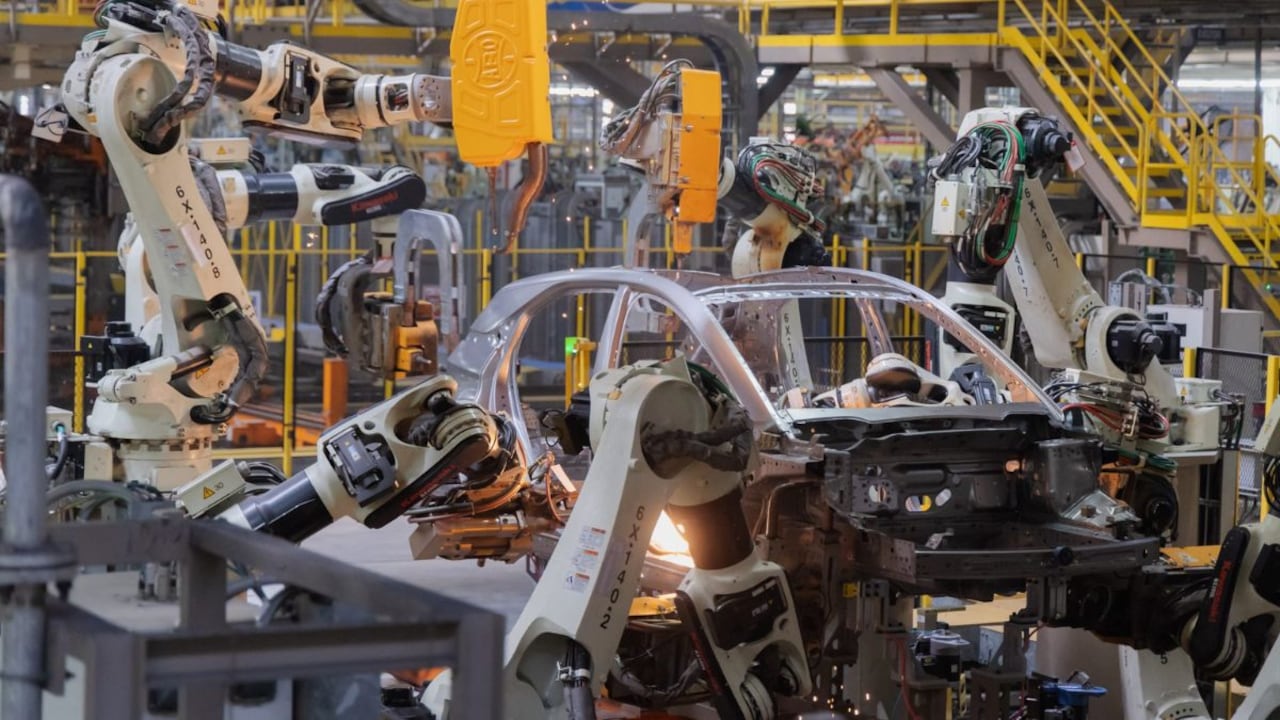
India's ambition to become a global manufacturing powerhouse is gaining traction as global companies diversify supply chains and the government pushes initiatives like Make in India and Production Linked Incentive (PLI) schemes. However, experts caution that the country must address four major hurdles — skill gaps, infrastructure, innovation, and supply chain weaknesses — to realise this goal.
According to Ankit Kedia, founder of Capital-A, India's manufacturing sector is at a 'defining inflection point.' He notes that the country is moving beyond low-cost labour to build capabilities in advanced manufacturing, defence, aerospace, and electronics. 'India's strengths lie in its engineering talent, entrepreneurial ecosystem, and large domestic market,' Kedia said, adding that the global shift away from China presents a significant opportunity.
Bharat Gite, CEO of Taural India, agrees. He points to policy measures such as Make in India and PLI schemes that are strengthening domestic capabilities. Manufacturing currently contributes about 17% to India's GDP, with a target of 25% by 2035. 'The real opportunity lies in moving beyond assembly to owning a larger share of the value chain,' Gite said.
Industry leaders highlight the 'China+1' strategy, where multinational companies are diversifying manufacturing bases due to supply-chain disruptions. Rajinder Jindal, chairman of Asian Footwears, notes that Indian manufacturers are now competing on quality and innovation, not just cost. 'India is well-positioned to become a preferred manufacturing destination,' he said.
Despite optimism, experts emphasise that success requires more than building factories. Kedia stresses the need to strengthen supplier networks, logistics, and technical talent. 'Countries become manufacturing leaders when innovation and manufacturing evolve together,' he said. Gite advocates for increased investment in research and development, industry-academia collaboration, and empowering micro, small, and medium enterprises (MSMEs).
India's manufacturing sector stands at a crossroads. The path to becoming a global factory depends on how quickly and effectively these four challenges are addressed.