Ethanol-diesel blend may hit safety hurdle: tests reveal flash point drop
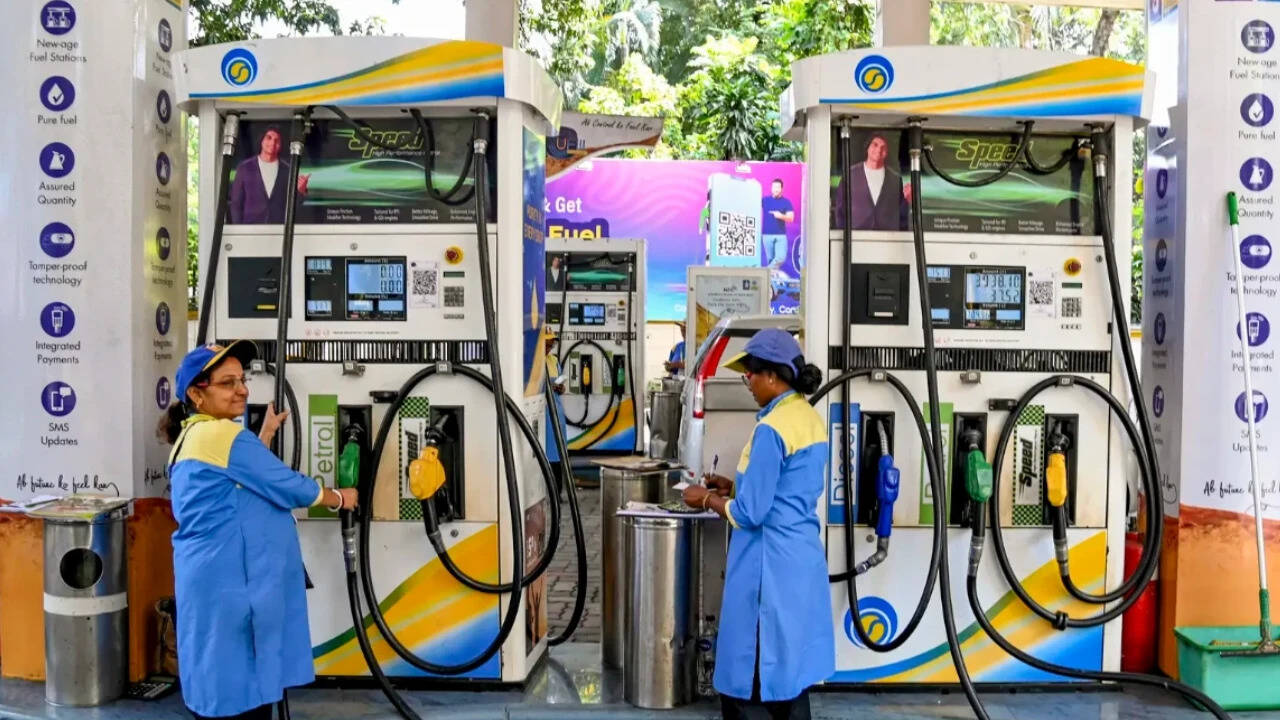
The government's push to blend ethanol with diesel may face a major roadblock, as tests conducted by state-owned oil retailers have found that the mixture fails to meet safety specifications. The key issue is a sharp drop in the flash point—the lowest temperature at which the fuel can ignite—making it potentially unsafe for use in standard engines without modifications.
In a written reply to the Rajya Sabha, Minister of State for Petroleum Suresh Gopi said that oil marketing companies carried out scientific evaluations of ethanol-diesel blending through their research and development centres in collaboration with accredited laboratories and automobile manufacturers. The results showed that the blended fuel did not meet the required flash point specifications. The presence of ethanol drastically lowered the flash point, rendering the blend non-compliant with established norms.
Flash point is a critical safety parameter for fuels, as it determines the risk of accidental ignition during storage, transport, and handling. A lower flash point means the fuel can ignite at a lower temperature, increasing the danger of fire. This is why the test results are significant for any future policy on ethanol-diesel blending.
The minister also clarified, in a separate reply, that isobutanol—another alcohol being considered as a diesel additive—is currently not being blended with diesel.
Despite these setbacks, the government is exploring an alternative use for ethanol: as a clean cooking fuel. If successful, this could help reduce India's dependence on imported liquefied petroleum gas (LPG) and provide an avenue to utilise surplus ethanol production capacity in the country.
The LPG Equipment Research Centre (LERC), a joint undertaking of Indian Oil, Hindustan Petroleum, and Bharat Petroleum, has already begun development efforts for clean cooking solutions based on ethanol, Gopi said. This initiative is part of a broader strategy to expand the use of ethanol beyond the transport sector, where the government has already achieved its target of blending 20% ethanol with petrol.
India imports nearly 60% of its LPG requirements, making the shift to domestically produced ethanol an economically and strategically attractive option. However, the flash point issue with diesel blending suggests that more research and technology development are needed before ethanol can be safely and effectively used in all fuel applications.
Experts note that while ethanol-blended diesel has been studied globally, the specific challenges related to flash point and engine compatibility require careful engineering solutions. The government's transparency in sharing these test results is a positive step, as it allows for informed public discourse on energy policy.
For now, the focus appears to be on ethanol as a cooking fuel, which could offer a cleaner alternative to LPG in households, especially in rural areas. But the scientific hurdles with diesel blending serve as a reminder that transitioning to alternative fuels is a complex process that demands rigorous testing and adaptation.